
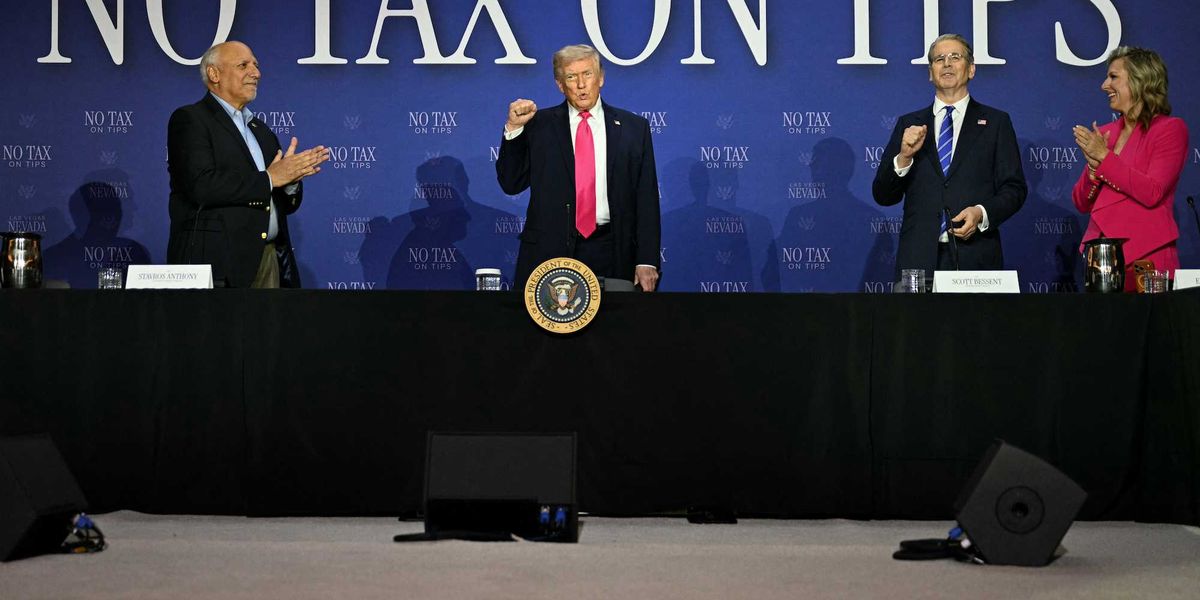
The Trump-era “no tax on tips” change quietly put more money back into servers’ pockets this year, yet many hospitality workers had no idea the policy helped them. Interviews in Washington, D.C. captured genuine surprise and skepticism as waitresses and bartenders learned why their refunds were larger. The reporting highlights both a tangible conservative policy win for workers and a gap in communication about it. That gap raises questions about political messaging and media coverage heading into future debates.
Across several conversations, servers described a simple reality: more cash coming home at tax time, and confusion about why. One waitress at a local oyster bar said she received a refund this year after getting nothing last year, and she genuinely had not connected the change to federal policy. When told that the new rule likely lowered her tax bill, she asked, “Is that a good thing for us?” with real skepticism. Her response, “That’s one thing he’s done good, I guess,” showed how policy can matter even when workers don’t hear about it through traditional channels.
Another worker laughed when informed their tips were no longer taxed and said, “Maybe that’s why we did good this year!” That kind of light, surprised reaction repeated across interviews makes the point plain: the financial effect is real, but the political credit is often invisible. A bartender initially chalked his refund to life changes and family claims, only to laugh and admit, “Oh yes, I would definitely say that was it,” after learning about the policy. Those moments are small but revealing about where information travels and where it does not.
One blunt line from the reporting sticks out: “Republicans have a messaging problem,” reporter Brecca Stoll said. From a Republican perspective, that is not a defense; it is a call to action. When tangible tax relief lands in pockets and voters don’t know why, the party hands away an advantage to opponents and to the media narrative that ignores or mislabels practical wins. Fixing that gap is not spin, it’s basic political housekeeping.
Hospitality workers are busy people handling tips, tables, and late-night shifts, not frequent consumers of political newsletters. That makes it all the more likely they’ll miss nuanced tax code changes unless someone reaches them where they are. The result is a disconnect: conservative policies delivering benefits, while the people benefiting remain unaware. If the goal is to build support for workers and for policies that help them, the explanation needs to travel as fast as the payroll change did.
Critics may blame mainstream outlets for underreporting the change, and there’s truth to that critique. When coverage emphasizes conflict or culture over nuts-and-bolts policy outcomes, practical storylines fall through the cracks. But responsibility doesn’t rest solely with journalists; political operatives and elected officials must get simpler, clearer, and louder about wins that matter to everyday people. No one benefits from modest tax relief if the people it helps never connect it to the leaders who delivered it.
The reaction from those interviewed was mostly practical and unglamorous: surprise, a shrug, then an appreciation for extra cash. Those human responses should be the headline: a real policy easing the burden on low-paid, tip-reliant workers. Conservatives can point to that and say plainly what it means for families trying to make ends meet. There’s power in straightforward messaging that links policy to paycheck without the spin.
At the same time, the reporting highlighted a chance to improve how messages reach service workers. Simple, repeatable explanations at restaurants, bars, and on social platforms frequented by hospitality staff would close the loop. That means less lecturing and more clear facts: how the no-tax-on-tips policy works, who benefits, and why it was enacted. When people understand the direct impact, they vote with fuller knowledge.
These conversations also undercut the idea that policy only matters in abstract debates among pundits. For a waitress or bartender, the difference this year showed up in bank accounts and groceries, not policy briefs. Connecting those dots is the job of political communicators and elected officials who want to be accountable for outcomes. The message should be simple: this policy gave people a break, and that is worth explaining loudly and plainly.
Stoll of her conversations with servers who had no clue their taxes had been cut by Trump.
Some on social media that mainstream outlets and a distracted public share blame for the lack of awareness. From a conservative point of view, this is both frustration and an opening: policy works, and the next step is making sure people know it. If Republicans want credit for delivering relief, they will need to meet these workers where they are and speak plainly about the results they see in their own wallets.
https://x.com/breccastoll/status/2045571269706371442
