
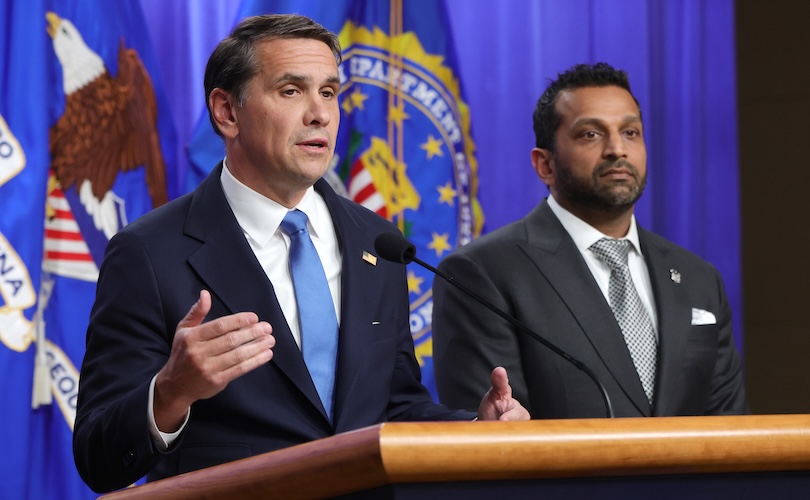
The Southern Poverty Law Center faces a federal indictment alleging bank fraud and other crimes, a development that cuts straight to questions about credibility, influence, and accountability. This case arrives after the group was cited in an infamous Biden administration memo that targeted traditional Catholics, and the charges intensify scrutiny of how reputations and labels are used in Washington. Expect legal fights, political fallout, and fresh calls from conservatives to rethink who gets treated as an authority on extremism.
The indictment accuses the SPLC of bank fraud along with additional alleged offenses, a serious set of claims that will be tested in court. Those charges do not erase the role the group has played in shaping public opinion and policymaking, but they do force a hard look at whether that role was deserved. For Republicans, this is a moment to press for transparency and equal application of justice.
Republicans have long argued that certain advocacy outfits wield outsized influence while operating with little accountability, and this legal action vindicates some of that concern. The SPLC was relied on by government agents and media outlets to identify threats and to sanction groups, yet now faces federal criminal charges. That contrast fuels a broader debate about who police the police of ideas.
The reference to an infamous Biden administration memo targeting traditional Catholics adds a political sting to the legal story, because it shows how private lists can become public policy. When labels move from advocacy reports into official memos, the consequences are real for faith communities and civic groups. Conservatives view this as proof that credentialed institutions must be vetted before their classifications shape government action.
Bank fraud charges raise specific questions about internal controls, donor transparency, and financial governance inside nonprofit organizations. If funds were misreported or used inappropriately, donors and regulators deserve answers about how that happened and who was responsible. The possibility of criminal conduct erodes trust not only in the organization charged, but in the nonprofit sector more broadly.
Legal proceedings will sort fact from rumor, and everyone involved should be careful not to prejudge the outcome before evidence is aired. Still, the indictment itself is a public record that will influence how lawmakers, agencies, and private funders approach similar groups going forward. Republicans want that influence curtailed when it becomes partisan or unaccountable.
The fallout will likely extend into boardrooms and newsroom editorial meetings, where decisions about whom to cite and whom to fund are made. Donors who care about reputational risk will be watching closely and may demand stricter oversight and reporting from recipients of their money. That kind of market discipline is something conservative voices have encouraged for years.
There are also free speech and religious liberty angles here, since the original memo singled out traditional Catholics and others for attention. When government actions rely on private classifications, they can chill lawful expression and religious practice. Republicans argue that protecting congregations and civic associations from politicized targeting is a core constitutional obligation.
The Biden administration will face questions about its reliance on third-party designations as it continues to defend past and present policy choices. An administration that accepted such lists must be ready to explain the standards used and whether independent verification was sought. That kind of accountability is straightforward and necessary in a democracy.
Beyond the immediate legal drama, the situation highlights the need for clearer rules about how advocacy research is produced and how government actors use it. Independent audits, conflict-of-interest disclosures, and stronger nonprofit governance practices can reduce the chance that powerful labels are weaponized. Republicans will push for reforms that prevent ideological cartels from dictating public policy behind closed doors.
The courtroom process will be watched not just for its legal outcome, but for how it reshapes the relationships between civic organizations, the media, and government. If the indictment leads to convictions, it will be a dramatic repudiation of an institution many assumed was above reproach. Even if the case ends differently, it has already prompted a nationwide conversation about trust, verification, and the proper limits of influence.
Whatever unfolds, conservatives will insist on a fair trial and on practical steps to stop private lists from dictating public action without scrutiny. The priorities are clear: ensure religious liberty, protect free association, and demand transparency from organizations that claim to define who is dangerous. This episode is a test of whether institutions will reform when accountability arrives.
