
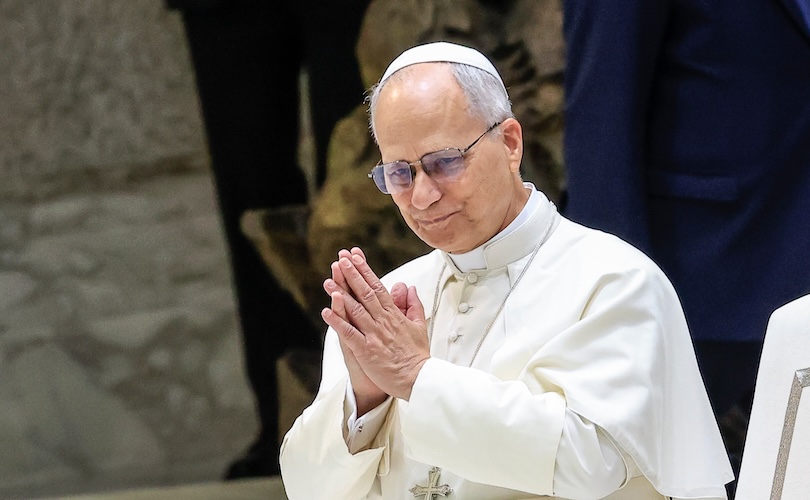
This piece looks at a public clash of statements between Donald Trump and Pope Leo XIV over Iran’s nuclear ambitions, teases out the political and moral angles, and points to why clarity on deterrence matters now more than ever. It examines the exact exchange at the center of the row and explores the policy implications for conservative voters who prioritize American strength. The goal is to give readers a clear, plainspoken Republican view on why national security and clear messaging should come first.
Donald Trump again raised the same charge, saying that Pope Leo XIV supposedly thinks ‘it’s okay for Iran to have a nuclear weapon,’ and that line landed with a lot of people because it cuts to the core of a broader debate: who sets the rules when nuclear threats loom. Whether you trust Trump or not, his comment forced a public correction: the Pope replied that he does not think any country should possess such weapons. That discrepancy matters because political leaders either calm fears or inflame them, and conservative voters expect leaders to choose deterrence over appeasement.
From a Republican perspective, the worry is simple and practical: Iran with a nuclear weapon changes every calculation in the Middle East and beyond. It would embolden proxy wars, turbocharge extremist groups, and put every American ally at greater risk, and so the stakes are not abstract moral questions but clear security outcomes. When public statements suggest tolerance for such a change, intentional or not, Republicans see that as a failure of strategic messaging that can weaken deterrence.
There is also a cultural angle here. Conservatives have long argued that strength and moral clarity go together; projecting resolve prevents conflict and keeps enemies guessing. If leaders muddy the message, adversaries can misread restraint for indecision, and allies can lose faith in American commitments. That is why a straightforward rejection of nuclear proliferation—backed by credible policy and the willingness to act if necessary—is not just political theater, it is policy that saves lives.
On the flip side, critics of Trump will point out the Pope’s correction and insist the issue is closed, but Republicans will counter that the initial claim still exposes a communication problem on the global stage. Whether the Pope misspoke or Trump mischaracterized him, the episode highlights how fast a dangerous narrative can spread and how little room there is for error when nuclear weapons are involved. Political leaders must therefore be exceptionally careful with their words, because what is said in public can become policy in perception.
There is also the theological layer, which Republicans tend to respect but not let override hard security facts. Religious leaders can and should speak to moral issues, but when the subject is strategic deterrence and national survival, policy experts and elected officials must lead the discussion. Americans who vote conservative expect their representatives to translate moral instincts into practical measures that protect citizens and deter aggression without naivete.
Practically speaking, the conversation should move from who said what to what concrete steps will prevent a nuclear Iran. Republicans favor robust sanctions, clear support for regional allies, and a military posture that makes any nuclear adventurer think twice. That approach combines pressure and preparedness so that diplomacy happens from strength rather than as an accommodation to deadlines set by hostile regimes.
The media circus around the exchange underlines another point conservatives often make: the left-leaning press loves to amplify confusion and portray it as scandal. For Republicans this is a reminder to control the narrative with facts and to hold opponents to a standard of clarity and consistency. Sound policy needs clear explanations that the public can trust, not drip-fed contradictions that breed doubt at home and abroad.
This episode is not just about personalities; it is about the consequences of sloppy communication when nuclear stakes are high, and it shows why conservative voters demand leadership that prioritizes American strength and unambiguous deterrence. The debate will keep simmering, and what matters next is whether leaders translate the flap into policy that actually stops proliferation rather than into partisan noise that leaves the country less secure.
