
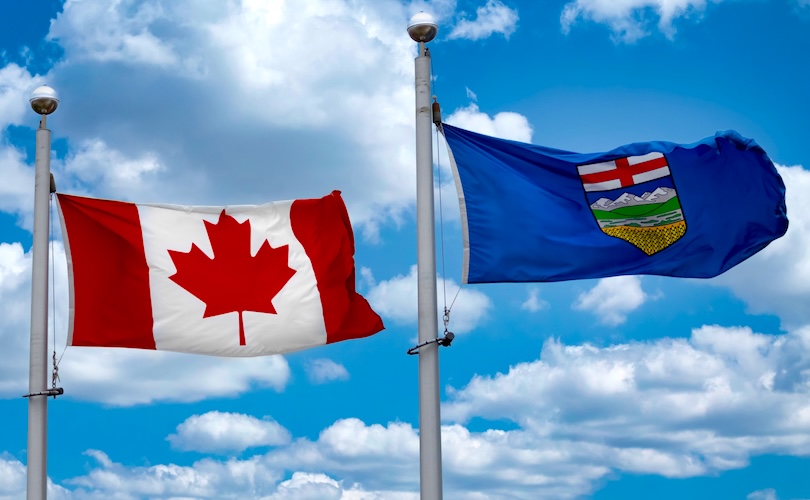
Alberta Prosperity Project says it has gathered nearly double the signatures needed to force a referendum on leaving Canada, driven by frustration with policies tied to Mark Carney’s left-leaning agenda. The movement frames this as a wake-up call against federal overreach and economic mismanagement that many Albertans say treats their province like a cash machine. This piece looks at why the push picked up steam, what it means politically, and how it reflects broader tensions between provincial self-interest and national policymaking.
The sign-up numbers are impressive on the surface and painful for federal elites who expect quiet compliance. Folks here are fed up with Ottawa’s habit of imposing policies that hit energy and resource communities hardest while promising utopia in other parts of the country. That resentment has been growing into organized action, and the prospect of a referendum is the clearest expression yet of how far that anger has traveled.
Mark Carney’s influence gets blamed a lot, and not always without reason. His proposals and the circles he moves in represent a worldview that puts climate ideology and global financial orthodoxy ahead of Alberta’s jobs and livelihoods. From a Republican-leaning perspective, that’s precisely the problem: decisions are being shaped by elites who don’t face the consequences Albertans do.
Energy policy sits at the heart of the backlash. Alberta’s oil and gas industries have powered the province and financed social programs for decades, yet federal carbon schemes and regulatory attacks squeeze the sector. When central government policy reduces investment and pushes capital away, ordinary people feel the pinch in real time and see fewer opportunities for their kids.
There’s also a cultural strain to all this. Many Albertans believe Ottawa treats them as a resource colony rather than a partner, and that grievance fuels separatist sentiment. It’s not just economics; it’s pride and a desire for political dignity. Those feelings are easy to mobilize when leaders in Ottawa seem indifferent or hostile to local concerns.
Practical questions about a split are huge, but political statements don’t require immediate technical blueprints. Gathering signatures signals seriousness and forces a conversation about representation and fairness. For many voters, the referendum isn’t a legal fast track out of Canada; it’s leverage to demand better treatment and respect for provincial autonomy.
Critics will paint separatists as radicals or alarmists, but dismissing the movement ignores the underlying drivers. When public policy consistently disadvantages one region, people naturally look for remedies. From a conservative viewpoint, that remedy might mean rolling back central powers or pursuing tighter control over local resources rather than surrendering to a one-size-fits-all national approach.
Political consequences in Ottawa could be significant. A strong push in Alberta reshapes national conversations about fiscal transfers, energy exports, and constitutional balance. If voters really feel betrayed, federal politicians risk losing legitimacy and facing harsher electoral blowback in future campaigns.
That said, the path from petition to actual separation is messy and uncertain, full of legal, economic, and diplomatic hurdles. Responsible voices on both sides should push hard questions and serious options, not just slogans. Conservatives who value federalism will want to use this moment to argue for reforms that keep Canada together but fairer to provinces.
For Alberta activists, the immediate win is attention and bargaining power, not instant independence. The signature total forces a debate and makes it harder for Ottawa to ignore regional pain. Whether the momentum leads to institutional change or constitutional crisis depends on how both provincial leaders and federal officials respond during what could be a decisive political season.
