
America’s defense picture is getting a hard reset. After years of living off old stockpiles and short-term buying habits, the country is being forced to confront a simple truth: if the next fight comes fast, the arsenal has to be ready before it starts.
The pressure comes from multiple directions at once. War in the Middle East, Russia’s grinding assault on Ukraine, and rising tension over Taiwan all point to the same problem, which is that the United States cannot keep treating munitions production like a calm-time routine. When demand spikes, the cracks show fast, and allies are feeling that strain too.
For a long stretch, the Pentagon bought weapons in a piecemeal way, year by year, with budgets that changed shape every cycle. That approach made sense when policymakers assumed peace would last and stockpiles would simply sit there waiting. It also left manufacturers guessing, and that uncertainty slowly drained the industrial base that is supposed to surge when danger arrives.
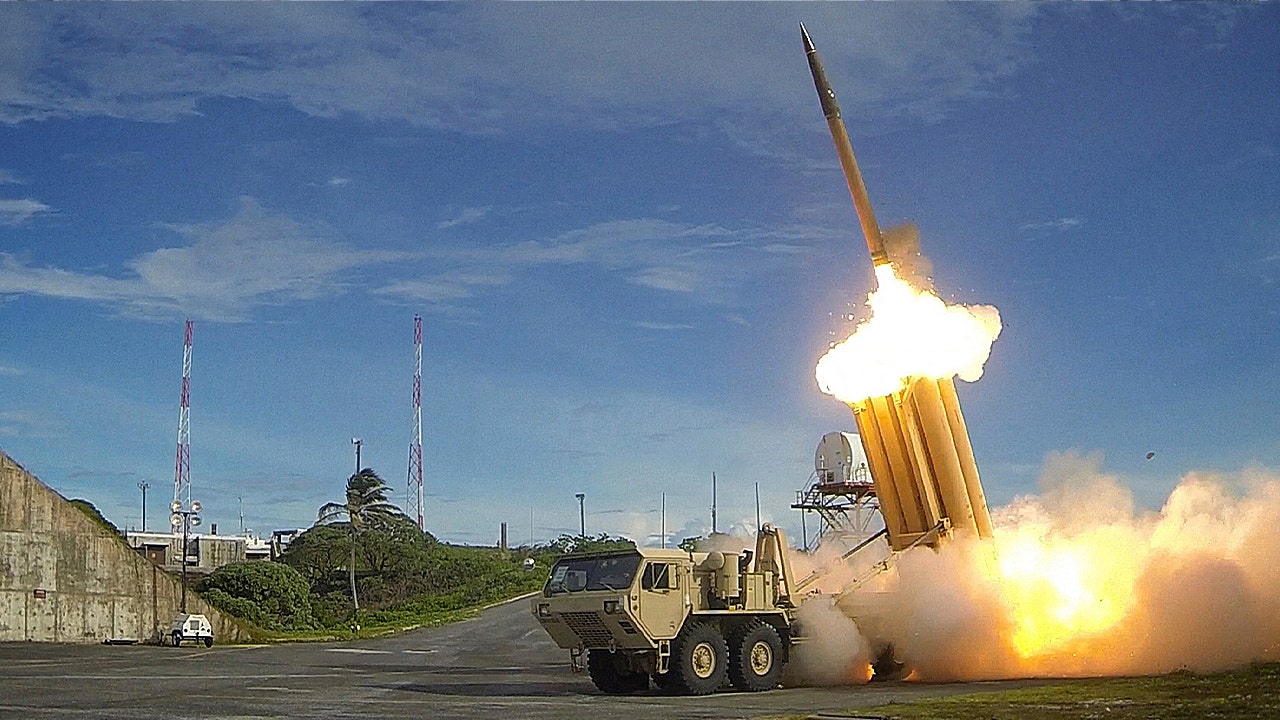
The war with Iran exposed how dangerous that setup really is. Precision weapons and air defense interceptors have been pulled hard, and the strain has not stopped at U.S. forces. Partner nations around the Gulf have warned that their interceptor stocks are running low, while the Pentagon has had to shift THAAD and Patriot batteries out of South Korea to help cover the gap.
The good news is that U.S. air defense systems are still doing the job when they are called on. The problem is not whether the systems work. The problem is whether there are enough of them to keep going through a long, ugly fight without leaving another front exposed.
That is why the recent Pentagon contracting moves matter so much. The Navy’s new multiyear deal for Tomahawk missiles is the clearest sign yet that Washington is trying to break out of the old cycle. Production is expected to jump from roughly 60 missiles a year to more than 1,000, and that kind of commitment gives industry a real reason to hire, expand, and build around steady demand.
This shift is not happening in isolation. Long-term framework agreements with RTX and Lockheed Martin are aimed at several major systems, all on a seven-year model that gives contractors a clearer path forward. The numbers are big and the message is even bigger: the Pentagon wants depth, not just capability on paper.
Under those deals, AMRAAM production is set to climb to 1,900 a year, SM-6 output to more than 500, PAC-3 interceptors from 600 to 2,000, and THAAD from 96 to 400. That is the kind of buildup that starts to repair the gap between what the military can use and what it can replace, which has become one of the central national security problems of the moment.
Still, signing contracts is not the same thing as solving the whole mess. Production capacity does not appear overnight, and Congress has to keep the money flowing if these plans are going to reach the finish line. On top of that, the broader acquisition system still moves far too slowly, with major weapons programs taking more than a decade on average to go from concept to fielding.
That sluggish process is a separate drag on readiness, and it is not going away just because a few big contracts landed. The Pentagon and lawmakers are being pushed to think differently now, because the next crisis will not wait for a perfect budget year or a tidy procurement schedule. In a world this tense, the real test is whether the country can keep building at wartime speed before wartime speed is forced on it again.
