
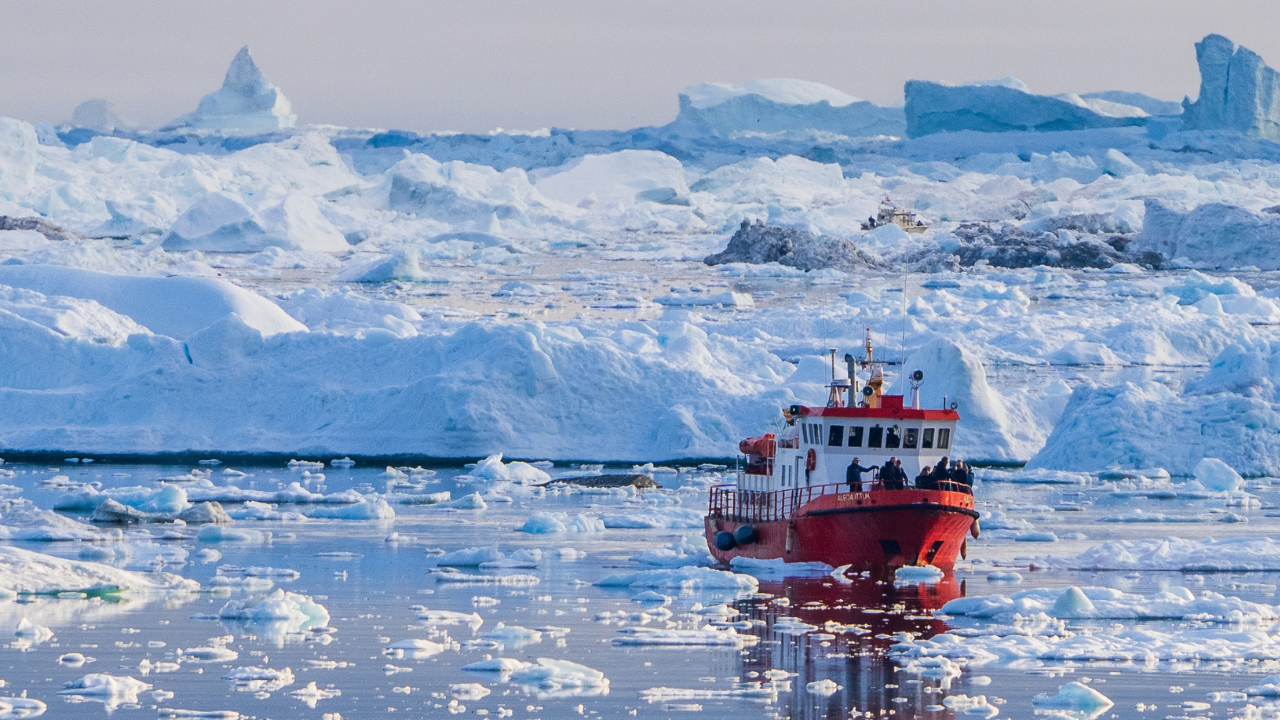
Greenland has turned into a big strategic prize, and the reasons go way beyond the headlines. Beneath the ice sits a mix of minerals, energy potential, and military value that has pulled the island into the center of U.S. attention. A new arrangement involving Denmark and Greenland keeps sovereignty in Danish hands while giving the United States a stronger security footprint.
The island’s resources are the first part of the story. Greenland is thought to sit on deposits that could include rare earth minerals, nickel, copper, palladium, cobalt, oil, and natural gas, all of which matter in a world running on batteries, electronics, and defense tech.
That kind of material matters even more as Washington tries to cut down dependence on China and Russia. For the United States, access to critical minerals is not just an economic issue, it is a national security issue, and Greenland keeps showing up in that conversation.
Exploration efforts have already begun to circle places like western Greenland, where companies are looking at nickel, copper, palladium, and cobalt potential around Disko Island. The geology is not a done deal, and nothing is proven until the drilling says so, but the early interest is loud for a reason.
Energy is the next layer, and it may be just as tempting. Greenland’s eastern side has drawn attention for possible oil activity, with early exploration plans pointing to a petroleum system that some see as similar to the North Sea.
That matters in a world where energy markets can get rattled fast. Conflicts in the Middle East and pressure on shipping routes have reminded everyone how fragile global supply lines can be, and Arctic projects suddenly look a lot less far-fetched than they did a few years ago.
Greenland’s location may be its sharpest asset of all. Sitting between North America and Europe, the island touches important air, sea, and missile corridors that matter in any serious military calculation.
The United States has had a presence there for decades, and Pituffik Space Base remains the key outpost. It supports missile warning, missile defense, and space surveillance, which makes it a quiet but powerful piece of the wider security picture.
The Arctic is changing fast as the ice retreats. New shipping lanes are opening, and that is bringing more attention from the U.S., Russia, and China, each one watching the region with its own interests in mind.
That is why the latest U.S.-Denmark-Greenland agreement carries more weight than a typical diplomatic headline. It expands the American military role while leaving Greenland under Danish sovereignty, a mix designed to keep the arrangement politically workable and strategically useful.
For investors, the signal is just as important as the paperwork. Long-term mineral and energy projects depend on confidence, and any deal that reduces uncertainty in Greenland can make exploration look a lot more attractive.
The island is still remote, cold, and expensive to develop, which keeps expectations grounded. But with the stakes rising across minerals, energy, and defense, Greenland is no longer just a frozen edge of the map. It is becoming one of the few places where geology and geopolitics are colliding in real time.
