
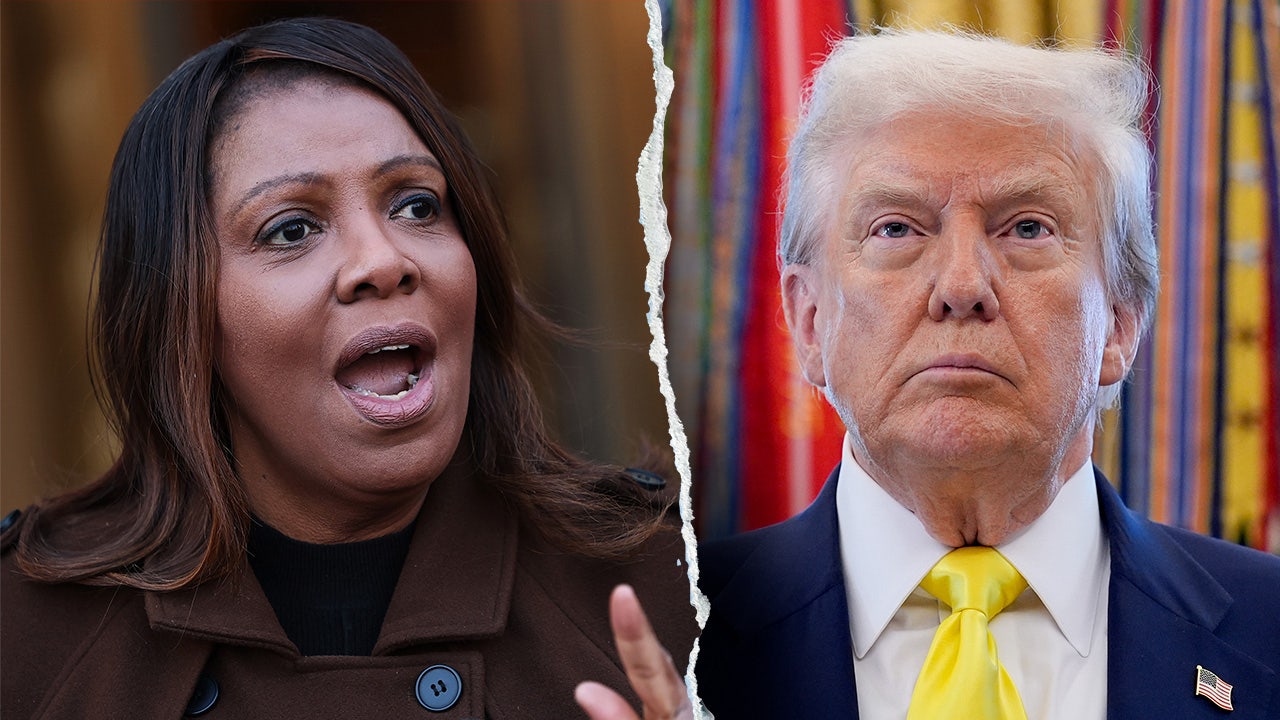
Checkpoints to cover: Trump’s legal team pressing Letitia James over evidence handling, Michael Cohen’s role in the case, the fight over discovery and preservation, the original fraud ruling and penalties, the appeals arguments against the verdict, and James’s response on compliance.
Trump’s attorneys are zeroing in on what Letitia James is not saying about the evidence in the blockbuster civil fraud case that once handed down a staggering financial hit. The latest fight is less about slogans and more about records, preservation, and whether the attorney general’s office has been fully straight with the court.
At the center of the dispute is a filing that leans on comments made by Michael Cohen, the former Trump attorney who later turned into one of the prosecution’s key witnesses. In that filing, Trump’s team says Cohen described feeling pushed to give only the kind of testimony that would help James’s office build its case against Trump.
Cohen mattered in a big way during the trial. He testified that Trump had routinely inflated the value of his properties and said Trump had given him target numbers to hit, testimony that helped shape the state’s fraud narrative.
The judge turned down the request for broader discovery, but did order James’s office to explain how it had preserved relevant information. That is where Trump’s lawyers say the answer fell short, arguing that the office dodged the real question about whether the requested materials even exist and whether they have been properly protected.
In the lawyers’ view, James did not actually comply with the spirit of the order. They say the office relied on broad talk about standard litigation holds instead of giving a direct answer about specific records tied to the case.
The dispute is just the newest twist in the sprawling civil lawsuit James filed in 2022, accusing Trump of falsely pumping up the worth of his property portfolio. The case led to a huge judgment, with Trump ordered to pay $355 million plus interest and hit with restrictions on doing business with New York banks and serving as an officer or director of New York companies.
That punishment has not stayed settled. An appeals court later wiped out the monetary penalties, and James has pushed to have them brought back. Trump’s side, meanwhile, argues the whole case should be tossed because the theory behind it was shaky from the start.
The appeal is built around several main objections. His lawyers say James never had the authority to bring such a case because the transactions were private commercial deals, not public harm, and they insist that Trump’s property values were subjective estimates that lenders knew how to judge for themselves.
They also say the supposed victims were sophisticated banks and insurers who were not actually injured and still made money off the transactions. In their telling, the state is trying to stretch a consumer protection law into a weapon that can be pointed at nearly any business deal in New York.
The $450 million disgorgement remains another flashpoint. Trump’s lawyers call it excessive, unlawful, and unconstitutional, saying the punishment was wildly out of proportion to the case the state tried to make.
They are also hammering the political side of it, arguing that the case should have been stopped because of the way it was brought and pursued. The filing says James cannot point to a comparable enforcement action against similarly situated developers or others accused of the same kind of conduct.
James’s office has not budged on its position. In response to questions, it pointed to its own letter saying the disclosure obligations had been met, and it rejected the idea that more detailed preservation information has to be turned over outside the court’s order.
The office said it objects to demands for more extrajudicial discovery and maintained that it has already identified the preservation practices that were in place, remain in place, and continue to apply. That sets up a familiar standoff, with one side saying the record is incomplete and the other saying enough has already been provided.
Trump has kept pressing the broader fight too, arguing the case was flawed in how it was framed and in how the penalties were stacked on top of the verdict. With the appeals process still alive and the evidence dispute still simmering, neither side looks ready to give an inch.
