
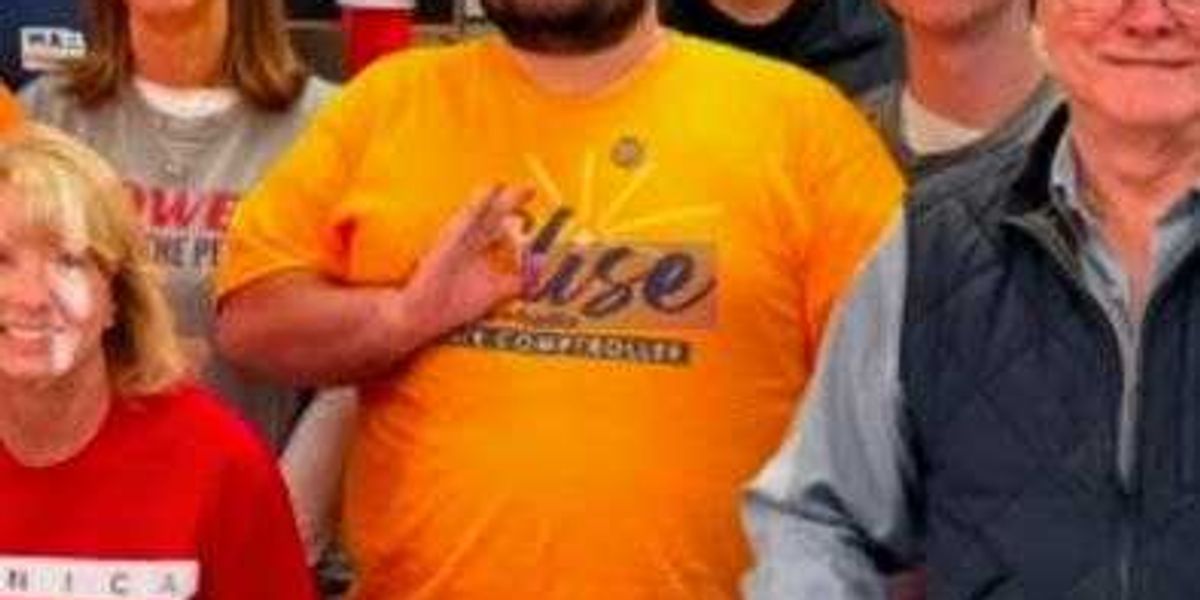
The fallout around a viral hand gesture has turned into a much bigger story about judgment, optics, and how fast a political career can unravel. A Republican operative says he was forced out after a photo triggered outrage, and he is now pushing back on the way the episode was framed. What started as a split-second moment quickly became a magnet for accusations, speculation, and a flood of reactions that left little room for nuance.
The dispute centers on an image showing the operative making an “OK” sign, a gesture that has been interpreted in wildly different ways depending on context and audience. In some circles, the move is seen as harmless and commonplace, while in others it has been dragged into a larger cultural fight over symbolism and intent. That gap is exactly what turned one photo into a political firestorm.
According to the operative, the reaction to the image was out of proportion and driven more by hysteria than by facts. He says the uproar cost him his job and made it impossible to separate his actual conduct from what critics wanted the gesture to mean. The episode highlights how quickly public pressure can harden into punishment before the full story is even out.
These kinds of controversies have become especially sharp in modern politics, where social media can turn a single post or photo into a full-blown loyalty test. Supporters and detractors do not just disagree about tone, they often fight over the basic meaning of an image itself. Once that happens, the damage can spread far beyond the original moment.
For Republicans, that atmosphere has a familiar edge. There is a growing sense that conservative figures are often judged by a harsher standard, with opponents eager to assign the worst possible motive to anything that can be clipped, quoted, or reposted. The result is a climate where one bad frame can overpower years of service or a clean professional record.
The operative’s account also raises a broader question about how organizations handle public backlash. In a rush to avoid controversy, employers and political groups sometimes move fast, hoping the controversy will disappear if the person at the center of it is gone. Instead, that kind of snap decision can deepen suspicion and make the whole thing look even messier.
There is also the plain human side of it. Losing a job over a disputed gesture is not a small thing, especially when the person involved says the meaning being attached to it was never intended. When reputations are hit that hard, the aftermath tends to stick long after the news cycle moves on.
The story has also drawn attention because it fits into a bigger pattern of political sensitivity around images, language, and symbolism. What used to be dismissed with a shrug can now become evidence in an argument about values, identity, and political allegiance. That kind of escalation keeps the pressure high and the misunderstandings coming.
At the same time, the public is left to sort through competing versions of what happened and why it mattered so much. Some will see the backlash as justified, others will see it as another example of overreaction fueled by the internet’s appetite for outrage. Either way, the episode is a reminder that a split-second gesture can carry a price far beyond the moment it was made.
