
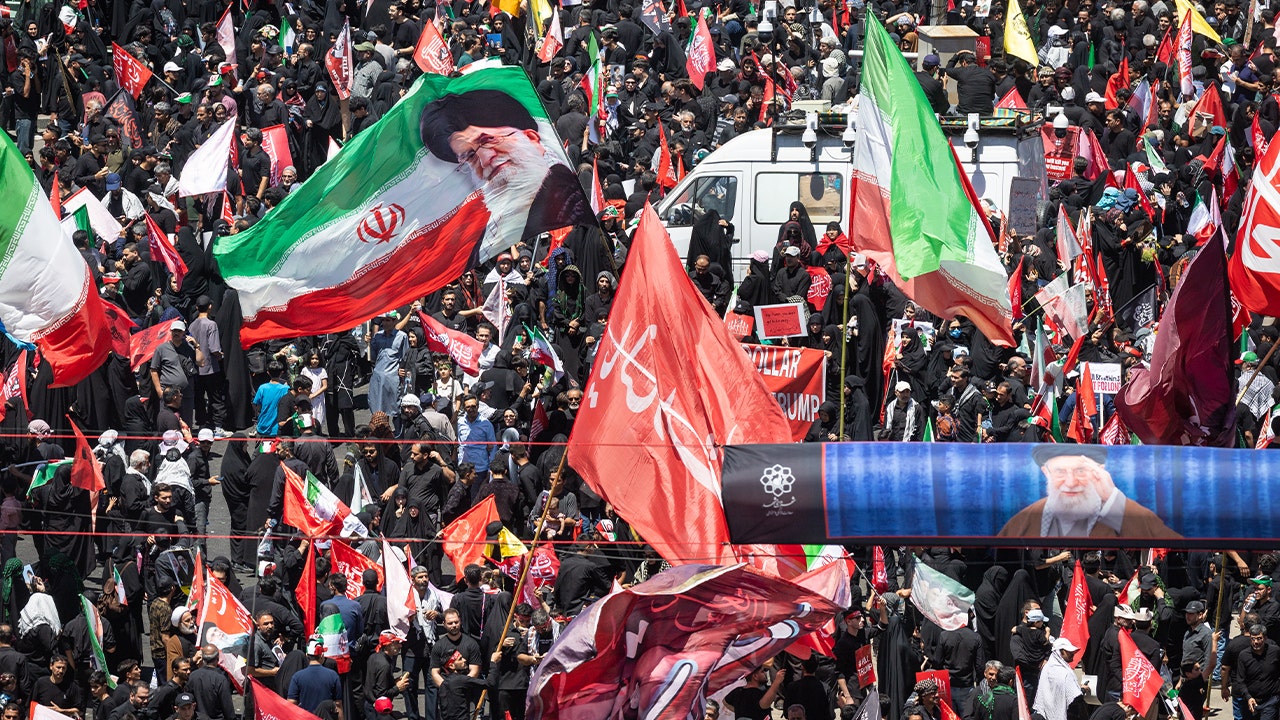
From the start, the real issue is not whether the U.S. should answer Iran. It is whether those answers are connected to a finish line that actually matters, like stopping nuclear breakout, keeping the Strait of Hormuz open, and making sure Tehran cannot turn every attack into a long, grinding stalemate. That is the tension running through this fight, and it explains why repeated strikes alone may feel forceful without actually solving much.
Back in 1974, a young Army lieutenant could watch Colin Powell up close and see a simple lesson taking shape: force without a clear objective is a bad bargain. Powell later helped define a standard for military power that asked for a political goal, enough strength, public backing, and a way out. In the Iran fight, that kind of discipline is exactly what has been missing, and the absence is showing.
The latest round of attacks and counterattacks proves the point. U.S. forces hit Iranian targets after Iran threatened shipping and tested the boundaries in the Strait of Hormuz, while Tehran kept leaning on the same pressure points it has used for years. Retaliation may be necessary, but it is not a strategy by itself, and it does nothing to answer the bigger nuclear threat hovering in the background.
That is why the Strait of Hormuz matters so much. It is a global choke point for energy and trade, so every Iranian move there sends a jolt through oil markets and rattles everyone from Gulf states to shipping companies. Tehran calls it maritime safety, Washington calls it freedom of navigation, and the rest of the world sees a dangerous mix of leverage, intimidation, and real risk.
The hard truth is that President Donald Trump cannot just respond in the abstract. If Iran attacks vessels, threatens commerce, and pokes at U.S. resolve, the response has to be immediate enough to mean something. But the deeper question is what that response is supposed to produce, because smashing radars and launch sites does not automatically create a political outcome.
Trump’s style is built on pressure, cost, leverage, and the idea that the other side will fold when the bill gets too high. Iran does not work that way. Its leaders think in terms of endurance, ideology, sacrifice, and time, which means they may absorb pain that would make a normal state blink.
That is what makes the regime so difficult. Tehran has spent decades building its identity around resistance, from proxy warfare to martyrdom messaging to a political culture that treats survival as victory. That does not make it irrational, but it does mean Americans should not assume another round of punishment will force surrender.
There is also a personal edge to all this for Trump, and it raises the stakes even further. Reports that Iranian planners may have explored fresh assassination threats against him are a reminder that this is not just a distant policy dispute. Iran has long vowed revenge for the killing of Qassem Soleimani, and whether or not every report proves true, the threat environment is real.
China and Russia are watching closely too. Beijing has plenty of reasons to help Iran indirectly, especially through oil purchases and sanctions workarounds, while Moscow benefits whenever Washington gets pulled deeper into Middle East chaos. Neither power needs to jump into the fight to gain from it, which is exactly why the wider geopolitical angle matters so much.
So the president really has three paths, and none of them are clean. He can keep doing limited tit-for-tat strikes, which may punish Iran and keep shipping lanes partly open, but also risks locking everyone into a cycle that never ends. He can escalate into a more decisive campaign against Iran’s military and nuclear infrastructure, which might address the threat at its source but could also spark regional blowback and an energy shock.
Or he can go with hard containment. That means hitting Iranian aggression when it happens, protecting the Strait with allied maritime power, squeezing sanctions, backing Israel and Gulf partners, and making nuclear verification the price of any relief. It is not glamorous, and it offers no neat victory lap, but it may be the only path that keeps pressure on Tehran without stumbling into a ground war.
The danger is drifting between those choices, striking one day, pausing the next, then talking about victory as if confusion itself were a plan. That kind of drift is how conflicts become traps, especially when the public can see there is no steady end state behind the violence. Americans will back force when it serves a purpose, but they can smell strategic fog fast.
What Trump needs to define now is simple enough to say, even if it is hard to deliver: no Iranian nuclear weapon, no Iranian control over Hormuz, no immunity for attacks on commercial shipping, and no sanctions relief without real verification. He also has to make clear that China and Russia will pay a price if they keep cushioning Iran’s war machine. If he wants this confrontation to mean anything, the bombs have to point toward something specific, and that answer has to be plain enough for allies, enemies, and voters to understand.

1 Comment
Awesome
Keep bombing Iran 24/7
Hit bases near Straits
Hit Palaces?