
President Donald Trump has a strong economic case to make, and it is one he should keep pressing because plenty of the press will shrug it off or ignore it outright. The numbers point to an economy that is holding up well, with solid wage gains, steady hiring, stronger spending, and more investment than many people seem willing to acknowledge.
Unemployment remains low, real pay is moving higher, and the stock market has stayed elevated. Inflation is still a concern, but it has eased from where it was and looks set to cool further if energy costs settle down.
There is also encouraging movement at the bottom of the income ladder. Reports show that lower-income workers have seen meaningful gains in real income during Trump’s current term, while those gains had been slipping before.
Consumer activity tells a similar story. Bank of America’s data shows credit and debit card spending climbing at a pace not seen in more than four years, and the gap between income groups has been narrowing instead of widening.
That matters because a lot of the loudest economic commentary still leans negative no matter what the data says. The common storyline is that Republicans only protect the rich, but the recent numbers keep getting in the way of that script.
Yes, families are still feeling pressure. Housing costs are stubbornly high and the cost of living remains painful, so nobody should pretend all is rosy.
Still, the broader picture is better than the sour mood suggests. Polls may show widespread pessimism, but public perception does not always line up neatly with the actual direction of the economy.
Part of the problem is messaging. Trump’s economic record is easier to attack than it is to explain, and too many Republicans hesitate when they should be putting the facts front and center.
The administration has some real wins to talk about, especially when it comes to helping working people. New tax changes, relief on tips and overtime, and a bigger child tax credit all point toward a more worker-friendly approach than the usual Washington lip service.
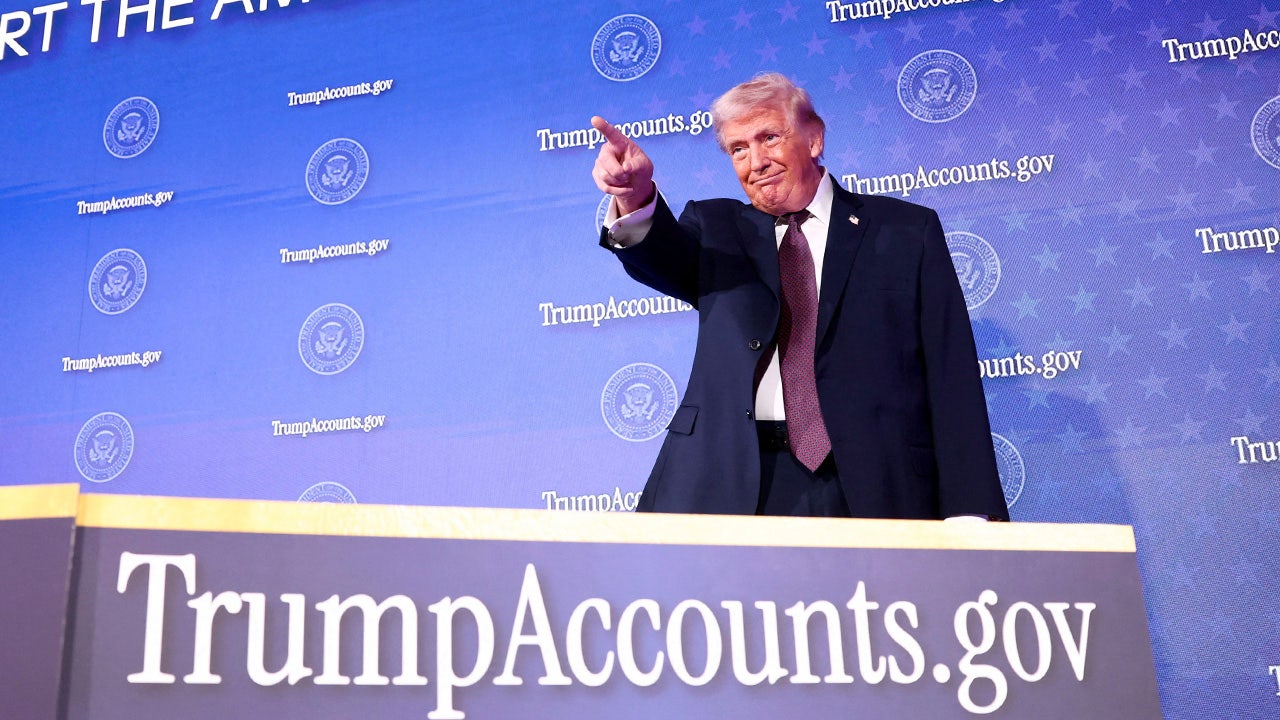
The Trump Accounts are another example that is easy to understand and hard to dismiss. Millions of children are already signed up, and the idea of giving kids an early stake in the market is the kind of practical policy that can change how families think about opportunity.
There is a deeper point here too. When people have a real interest in the economy, they think differently about saving, ownership, and the future, and that can ripple out for years.
The same goes for retirement access. A low-cost Trump IRA could open the door for workers who have never had a decent path to saving through an employer, which is a big deal for both part-time and full-time employees.
Republicans have a pretty simple task if they want voters to notice what is happening. They need to keep talking about wages, growth, investment, and tax relief in plain English, because the opposition will not do it for them.
The economic debate is not won by slogans alone. It is won by showing people where the money is going, who is benefiting, and how policies are making life a little easier for ordinary families.
That is why the latest numbers deserve more attention than they are getting. The story is not perfect, but it is a lot better than the blanket gloom coming from the usual talking heads.
