
California avocado growers are getting squeezed from both sides, with Mexican imports flooding the market and cartel pressure hanging over key growing regions. At the same time, the push for healthier food in America is putting avocados in the spotlight, making the future of domestic production harder to ignore.
President Donald Trump has put Make America Healthy Again front and center, and avocados fit neatly into that message. But healthy eating only goes so far if the people growing the food cannot stay in business, especially when longtime family farms are being undercut by imported fruit priced to win at any cost.
California’s roughly 3,000 avocado growers are not a fringe part of American agriculture. Many are multigenerational farms that work under strict labor, environmental, and production rules, which makes the market hits they face feel especially lopsided.
During the March-through-October harvest window, they compete directly against imported avocados pouring in from Mexico. That surge can push prices down fast, turning a seasonal business into a survival test and making it tougher for growers to plan beyond the next crop.
The quality gap matters too. California Hass avocados are typically left on the tree longer, which helps them develop a richer oil content, a creamier texture, and a deeper flavor that stands out on a plate.
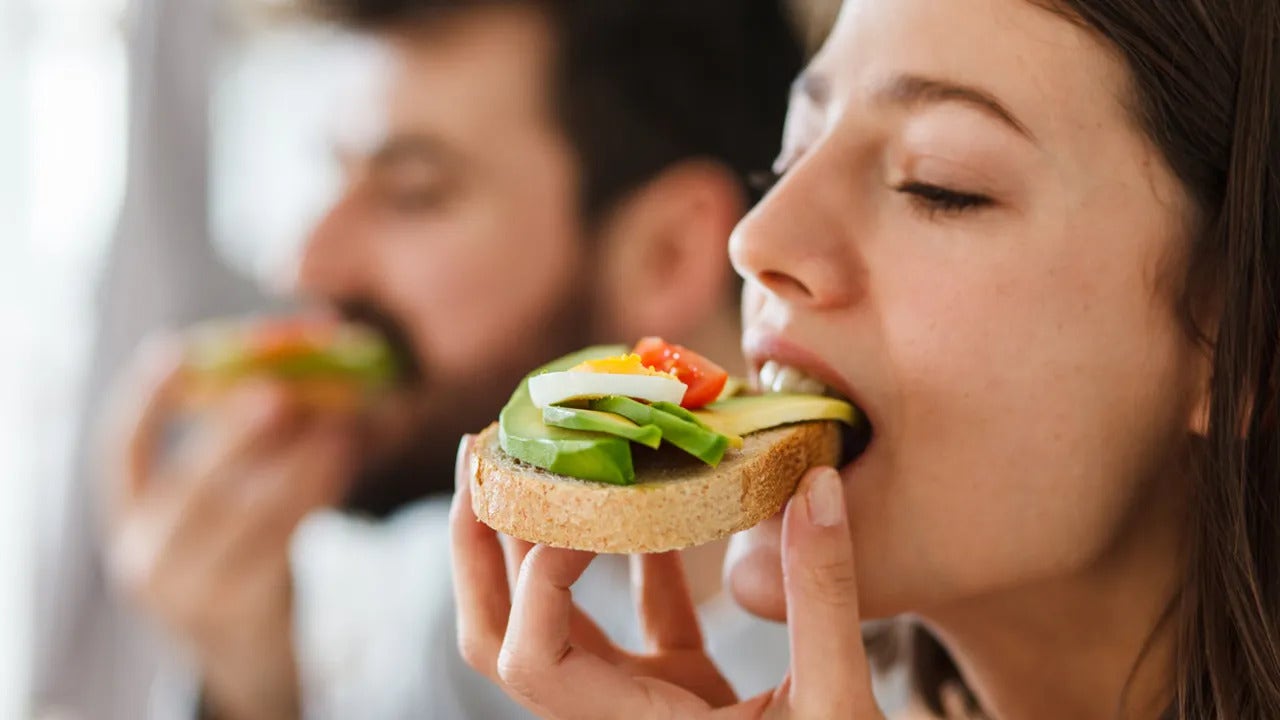
That difference is part of why California fruit has such a strong following in guacamole, sandwiches, salads, and all the other places avocados have become a kitchen staple. When buyers choose American-grown produce, they are backing a product with a reputation for consistency and a domestic supply chain that matters.
The pressure from Mexico has not been small. Avocado shipments from January through mid-July jumped 32% compared with the same period in 2025, a spike that can overwhelm the market and leave U.S. growers holding the bag.
Cheap imports are not just another business headache. When foreign product enters at artificially low prices, it distorts competition and makes it harder for American farms to survive on fair terms, even when they are following the rules and producing a premium crop.
There is also a bigger national issue underneath the price fight. A country that lets a foreign supply dominate a major food category risks eroding both food security and the farming communities that keep rural America alive.
The cartel piece makes the situation even uglier. Treasury Department findings have described cartels in Mexico’s avocado-growing regions extorting growers, demanding payments tied to harvesting and exports, seizing land, and using violence to control communities.
That means many Mexican farmers are victims themselves, trapped in a brutal system they did not build. But the fact that they are being squeezed does not change the reality that uncontrolled import surges can still reward the very conditions cartels exploit.
Recent developments in Michoacán, where much of Mexico’s avocado supply for the U.S. is grown, have made the risk impossible to shrug off. A U.S. Embassy alert in early August temporarily suspended government activity over threats to American interests, a reminder that security concerns are not theoretical.
That is why a seasonal tariff-rate quota is being floated as a middle path. The idea is simple enough: allow a normal amount of imports in duty-free, then apply a higher tariff once shipments pass a set limit so U.S. growers have room to compete during their harvest season.
Done right, that kind of safeguard could keep avocados available year-round without turning California farmers into collateral damage. It would also give domestic agriculture a fighting chance at the exact moment local growers bring their own crop to market.
Any workable plan also has to include strong USDA oversight and enough security for inspectors to do their jobs. Food safety, disease prevention, and honest trade all depend on being able to check orchards properly and stop bad practices before they spread.
If that access cannot be guaranteed, imports should not just roll through as usual. American farmers should not be forced to play by tighter rules while competing against a system that looks the other way when security and inspection standards break down.
At the end of the day, this is about more than avocados. It is about whether American growers can keep producing high-quality food without getting shoved aside by foreign supply shocks, cartel chaos, and a market that treats fairness like a luxury.
Consumers want good fruit, restaurants want dependable supply, and farming communities want a future they can build on. When policy lines up with those goals, the result is stronger agriculture, safer food, and a lot more American-grown produce on the table.
