
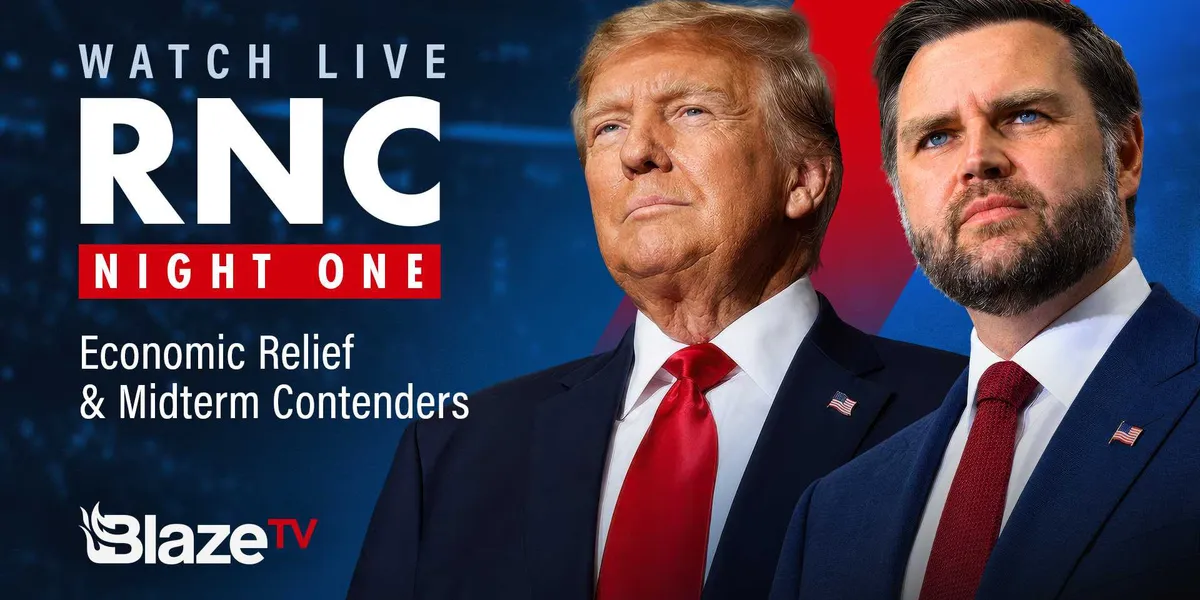
Republicans are pushing into the midterm season with a message built around security, affordability, and election integrity, and the opening night of the GOP Midterm Convention put those themes front and center. The event tied together border enforcement, rising household costs, voter rules, and support for President Donald Trump, all while trying to keep the party focused on winning the House and holding the line in key states like North Carolina.
The convention’s first night leaned hard into the idea that the GOP has the sharper read on what voters are feeling right now. Border security came through as a top concern, not just as a policy fight, but as a daily frustration for families watching chaos spill across the southern border and into their communities. That message landed alongside a broader argument that Republicans are the party willing to take the issue seriously instead of dressing it up with talking points.
Cost of living was the other giant drumbeat. Republicans are making the case that groceries, rent, gas, and utility bills are still squeezing working families, and that Washington Democrats have no real answer beyond more spending and more excuses. The pitch is simple and blunt: if people feel poorer, less secure, and more squeezed than they did a few years ago, they are going to look hard at who is running the show.
Election integrity also got a loud spotlight, especially around voter ID and the broader push for tighter rules. Supporters argue that showing ID is common sense and should be treated that way, not turned into a partisan shouting match. In Republican circles, it is framed as a basic trust issue, one that matters even more when turnout spikes and every close race can shape the balance of power in Congress.
That balance of power is exactly why House Majority Leader talk keeps popping up around this cycle. The party is treating the House like the main battleground, where a handful of seats can decide whether conservatives can stop the Biden-era agenda from rolling ahead unchecked. There is a clear sense that the road to any serious policy shift starts with winning back or defending enough seats to control the chamber.
North Carolina is one of the places where that fight feels especially real. The state has long been a political pressure cooker, with fast-growing suburbs, rural communities, and a big chunk of voters who do not fit neatly into one box. Republicans see it as fertile ground for messaging about jobs, borders, taxes, and family budgets, especially when national races start bleeding into local concerns.
President Donald Trump remains a major force in that conversation, both as a draw and as a dividing line. For Republicans, his presence keeps the base energized and gives the party a loud, unmistakable voice on the issues it wants to own. Even when the spotlight is on the next round of candidates, Trump’s influence hangs over the whole operation, shaping what gets said and how aggressively it gets said.
The Save America Act also fits neatly into that style of politics, with its title alone signaling a rescue mission rather than a technocratic debate. It reflects the broader Republican strategy of presenting the midterms as a choice between recovery and decline, strength and drift, order and mess. That framing is meant to make the election feel urgent without sounding abstract or distant.
Night 1 of the convention made clear that Republicans are not trying to win with polished slogans alone. They are trying to tap into fatigue, anger, and the sense that too many Americans have been asked to absorb bad policy and bad results at the same time. That kind of message tends to work best when it sounds less like a lecture and more like somebody finally saying out loud what voters have been thinking all along.
