
Trump’s Asia Trip. Redistricting in NC. AI Power Plants.
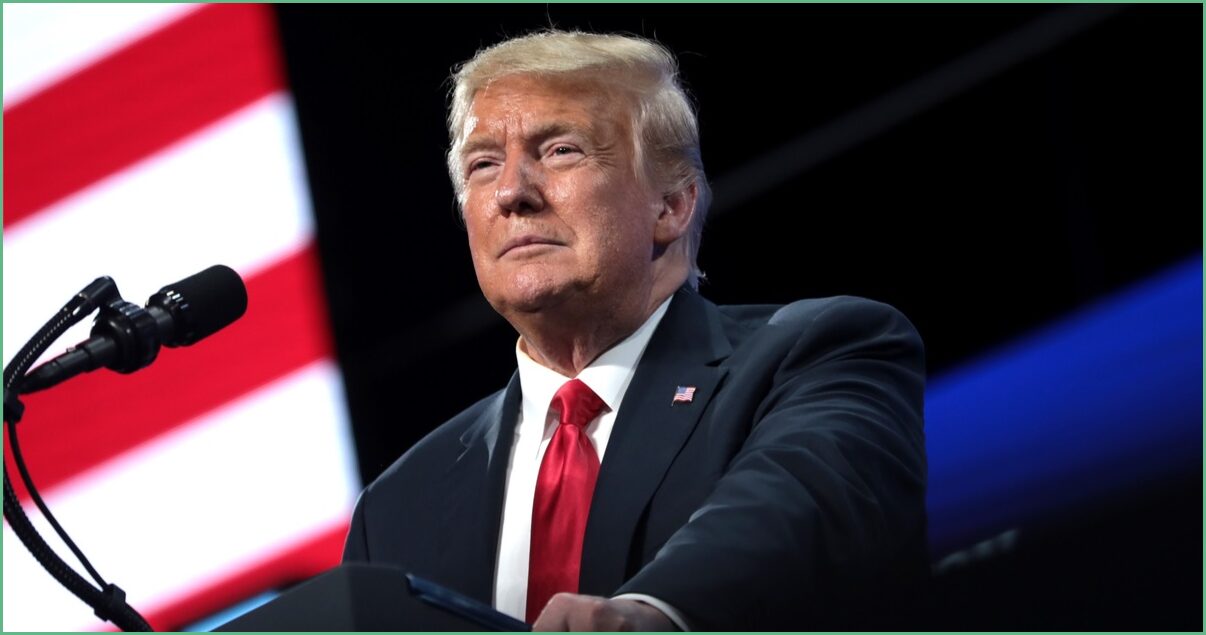
President Trump’s swing through Asia turned heads and reset expectations among allies and competitors. He kept the message tight: secure supply chains, fair trade, and stronger security ties that put American workers first. The trip looked less like a charm offensive and more like a checklist of clear demands.
Across meetings with regional leaders he pushed partners on supply chains for critical goods and on shoring key industries. He made defense logistics and interoperability a talking point to underscore deterrence without ambiguity. Voters respond to that directness because it ties security to jobs.
Critics called the approach provocative, but Republicans see it as steady leadership that refuses to cede advantage to rivals. Negotiations focused on practical commitments rather than symbolic gestures, with attention to semiconductors, minerals, and logistics. Those are the kinds of outcomes that translate into factories humming and paychecks rising.
Back home, North Carolina’s redistricting fight is a reminder that the rules undergirding representation still matter. Republicans argue maps should reflect communities of interest and produce accountable, competitive districts. That fight is about who answers to voters at kitchen tables, not abstract theory.
Opponents frame redrawing as protecting voter fairness, but conservatives worry court-drawn maps erase political accountability. The GOP message leans on transparency and criteria rather than backroom lines. Expect legislative fixes and litigation to keep the story alive.
Redistricting shapes who shows up to vote and whose concerns get heard in Congress, from schools to infrastructure. Conservatives push competitive districts as a way to force accountability and better governance. That argument plays into broader calls for local control and limited federal meddling.
Meanwhile, a new set of tools is arriving on the energy scene: AI-driven systems that manage generation, storage, and demand in near real time. AI Power Plants is shorthand for software that forecasts load, schedules maintenance, and wrings efficiency out of existing assets. If harnessed correctly, the tech promises lower costs and more reliable service.
Private companies are testing predictive maintenance on turbines, machine-learning dispatch for storage, and smart demand response to flatten peaks. Those market-driven solutions reduce the need for expensive, permanent capacity that taxpayers might otherwise fund. Republicans want policy that encourages pilots and scales success without strangling innovation in red tape.
That said, sensible safeguards are not optional. Dependence on foreign hardware or opaque algorithms creates risks for the grid, and hackers don’t respect borders. The conservative approach favors targeted standards, domestic sourcing incentives, and public-private partnerships to keep innovation and security aligned.
Policy choices in Beijing, Raleigh, and Silicon Valley are starting to intersect in unexpected ways as technology and geopolitics collide. Whether America leans into private-sector solutions and local accountability or defaults to heavy-handed federal control will be decided in hearings, contracts, and courtrooms. Keep your eyes on filings, procurement announcements, and pilot results because those moves will tell the real story.
Local elections and lawsuits in the months ahead will convert these debates into ballots and rulings. Voters should press candidates for clear positions on energy resilience, map transparency, and trade deals that protect jobs. Pressure from voters forces policymakers to act.
