
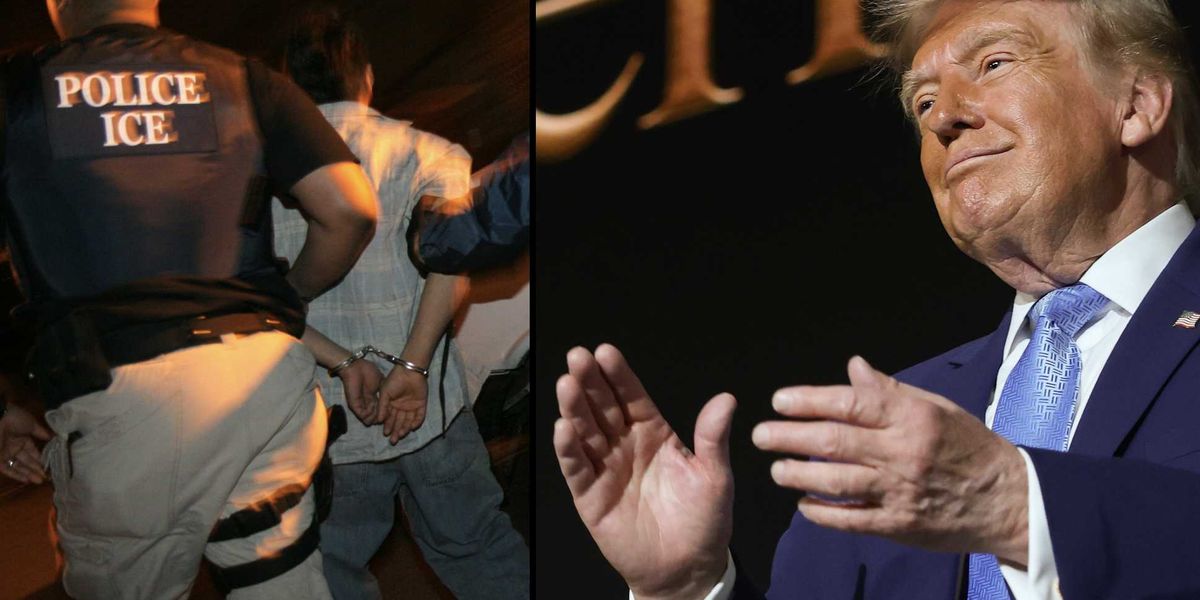
The Trump administration is moving hard on visa enforcement, with a major surge in revocations aimed at foreign nationals who no longer fit the rules or pose a risk to the country. The effort folds together immigration crackdowns, tighter screening, and a broader push to stop abuse of the system before it turns into something harder to unwind.
Officials have pointed to everything from visa overstays to public safety concerns as reasons for the aggressive pace. The result is a clear signal that the administration wants immigration law taken seriously, not treated like a suggestion.
One of the sharpest edges of the policy is its effect on birth tourism, a practice that has long frustrated critics who say it turns U.S. citizenship into a loophole. The administration’s posture makes clear that cases tied to deception, fraud, or abuse are no longer getting a pass.
The number of revocations has also become a political flashpoint because it reflects a much more forceful approach than what many Americans saw in recent years. Supporters see that as overdue, especially after years of lax enforcement and a border system that looked increasingly overwhelmed. To them, the new message is simple: if someone is in the country on shaky legal ground, the government is finally willing to act.
That matters because visas are not just travel documents, they are permissions granted under specific conditions. When those conditions are broken, revoked visas become a tool for restoring order and drawing a bright line between lawful entry and outright abuse. The administration is betting that visible enforcement will discourage others from trying to game the system.
Critics are likely to argue that sweeping revocations can create fear among lawful visitors and families who are trying to follow the rules. But the administration’s defenders say the real problem is the opposite, a system that has spent too long rewarding those willing to bend the rules while leaving enforcement weak and inconsistent. That imbalance, they say, is part of what fueled the broader immigration mess in the first place.
The crackdown also fits into a larger national conversation about illegal immigration and whether the government is willing to defend the country’s laws without apology. For many Republicans, this is exactly what voters asked for: stronger enforcement, fewer loopholes, and less tolerance for fraud dressed up as policy. The politics of the issue may be loud, but the underlying point is straightforward, the law only works when someone actually enforces it.
Birth tourism has become such a hot-button issue because it sits at the intersection of immigration, citizenship, and fairness. When people see the system being used to manufacture benefits rather than respect the rules, confidence in the whole process starts to erode fast. That is why the administration’s tougher line is landing with so much force among voters who want a border and visa system that works for Americans first.
The bigger story is not just the raw number of revoked visas, but the direction it points. Washington is sending a message that the days of easy entry, soft oversight, and endless excuses are getting narrower by the month, and anyone trying to exploit the system is taking a much bigger risk than before.
