
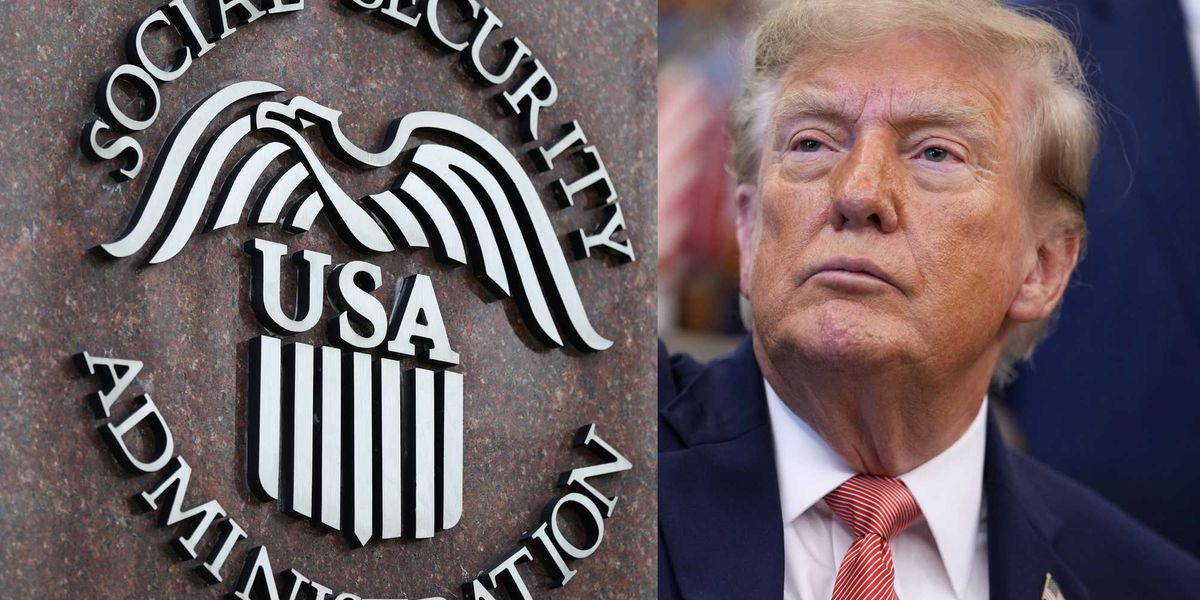
The Social Security Administration has been under a sharper microscope as the Trump administration pushes a wide cleanup effort aimed at cutting fraud and tightening records. The focus is on clearing out bad data, spotting people who should not be in the system, and making sure taxpayer-backed benefits go to the right recipients. It is the kind of move that can sound technical on paper, but the stakes are huge for trust, money, and basic fairness.
The push has centered on cleaning up files that have grown messy over time, with outdated or questionable records creating openings for abuse. Officials have framed the effort as a direct fraud-prevention step, not just a paperwork shuffle, and that distinction matters. In a system this large, even small errors can snowball into major losses, especially when identities, citizenship status, and benefit eligibility are all tied together.
What makes the effort stand out is the scale. The cleanup has reportedly hit record levels, which suggests the administration is not treating this like a one-time audit or a symbolic gesture. Instead, it looks like a broad attempt to force the system to reflect reality again, especially where records may have been left stale for years.
That matters because Social Security is not some niche program sitting on the sidelines. It is one of the most important parts of the federal safety net, and any weakness in its records can ripple out fast. If the database is bloated, inaccurate, or vulnerable, then honest recipients end up carrying the burden while bad actors slip through the cracks.
Citizenship checks have been part of the conversation too, and for good reason. When the government pays benefits, there is a basic expectation that eligibility rules are actually enforced, not waved away in the name of convenience. The administration’s approach appears to lean hard into that idea, arguing that the system should be tighter, cleaner, and far less forgiving of mistakes that open the door to fraud.
There is also a political edge here, because Social Security reform always lands in a bigger debate about competence and control. Supporters see this sort of record cleanup as long overdue, a sign that someone finally decided to dig into the mess instead of pretending it would sort itself out. Critics tend to warn about overreach, but that concern loses force when the goal is simply to remove invalid entries and stop abuse.
The fraud angle is especially important because public confidence can erode quickly when people suspect the system is being gamed. Even a handful of high-profile errors can create the sense that nobody is really watching the store. A record-breaking cleanup sends a different message, one that says the government is at least trying to tighten the bolts before the whole thing gets shakier.
There is a practical side to this too. Better records can mean better enforcement, faster flagging of bad data, and fewer chances for fraudsters to blend in with legitimate cases. That is the kind of boring-sounding reform that actually matters, because a cleaner system is usually a safer one, and a safer one is easier to trust.
For workers and retirees who rely on Social Security, the main question is whether the program stays sturdy enough to do its job. A cleanup like this does not solve every problem, but it can help keep the machinery from being abused from the inside. And in Washington, where sloppy records too often become expensive habits, that alone is a big deal.
