
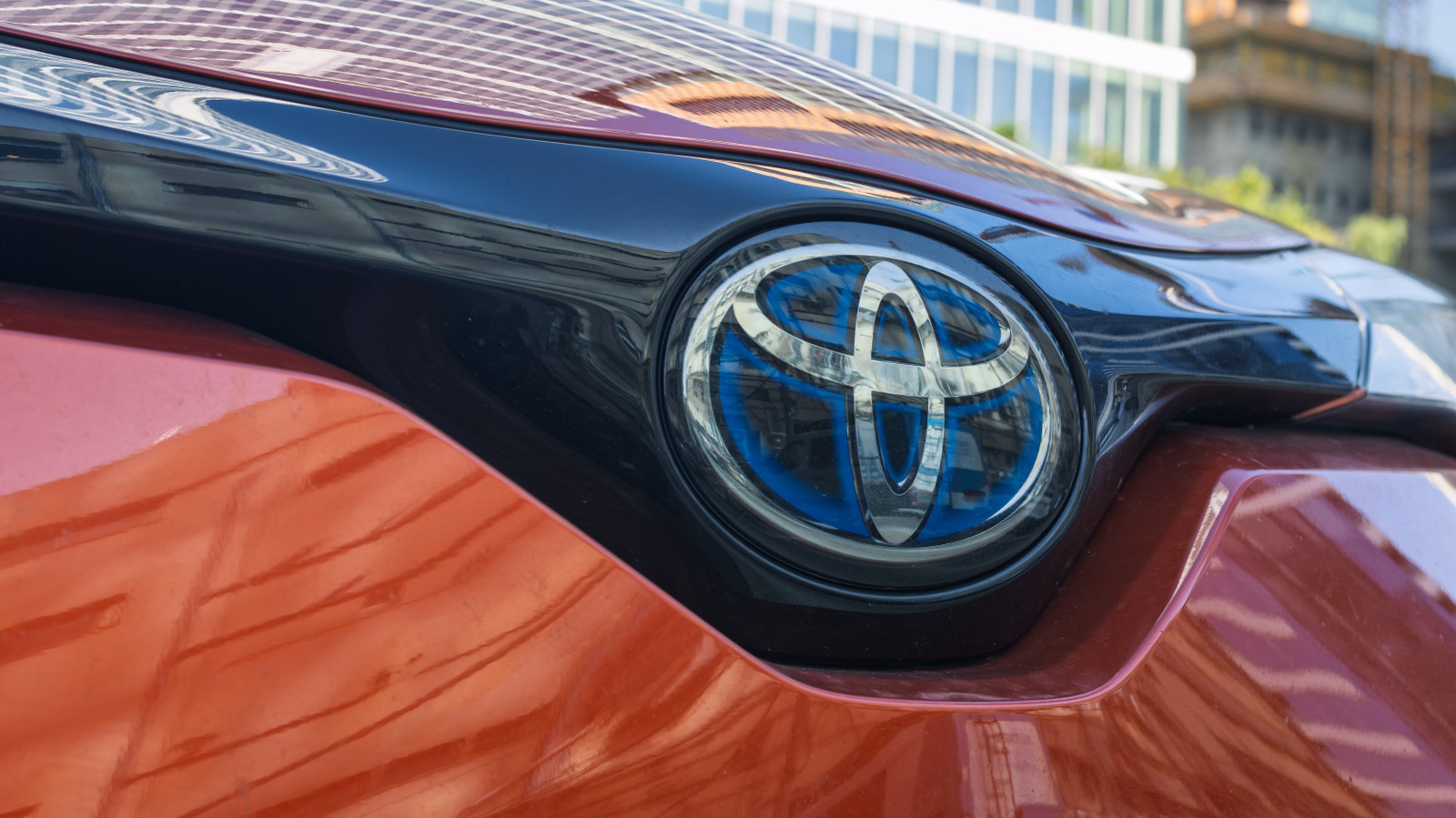
Toyota used to mark its hybrid cars with a blue-flushed logo to set them apart from standard gasoline models, but those blue badges are disappearing. This article looks at what that change means, why Toyota moved away from the blue motif, and how the shift fits into the brand’s broader strategy as hybrids become mainstream and electrified choices expand.
For years the blue-accented Toyota badge worked like a visual shorthand: see the blue and know you were looking at a hybrid. It felt helpful for buyers who wanted a quick way to spot fuel-saving technology on the lot. That simple cue made hybrids feel distinct, even when the mechanical differences were inside and not obvious from the outside.
As hybrid drivetrains spread through the lineup, the blue badge began to lose its impact. When most models offer some form of electrification, singling out a few with a different logo creates more noise than clarity. Toyota’s decision reflects that reality: hybrids are no longer niche badges, they are a core part of the product mix.
Beyond clarity, design consistency played a role. A uniform badge lets Toyota present a cleaner, more cohesive brand image across sedans, crossovers, and trucks. That matters in global markets where consistent styling supports recognition and reduces confusion among shoppers seeing Toyota for the first time.
Practical issues also matter, like production and parts standardization. Producing multiple logo variants adds steps to manufacturing and inventory. Removing special-color badges streamlines assembly and reduces small-cost inefficiencies without changing how the car performs or what technology it carries under the hood.
There’s a marketing angle too: calling attention to electrified technology through product features and messaging works better than relying on a badge alone. Toyota can highlight fuel economy, battery-assisted performance, and long-term ownership savings directly in marketing materials rather than hoping a color cue will do the job. Buyers who care about the powertrain will dig into specifications and talk to dealers, so the badge has to do less heavy lifting.
Some buyers liked the blue logo because it signaled environmental credentials at a glance, but environmental signaling has evolved into actual product offerings like plug-in hybrids and battery electric vehicles. As Toyota broadens its electrified portfolio, the company is likely shifting to clearer product-level distinctions—labels based on drivetrain type and capability rather than a single color treatment.
Finally, customer preference plays a part: a lot of drivers don’t want extra ornamentation if it looks dated or gimmicky. A neutral badge keeps cars looking timeless and lets buyers focus on practical factors like range, MPG, and features. Toyota’s move away from the blue badge is a quiet signal that hybrid tech has matured and is now treated as a standard option rather than a special add-on.
