
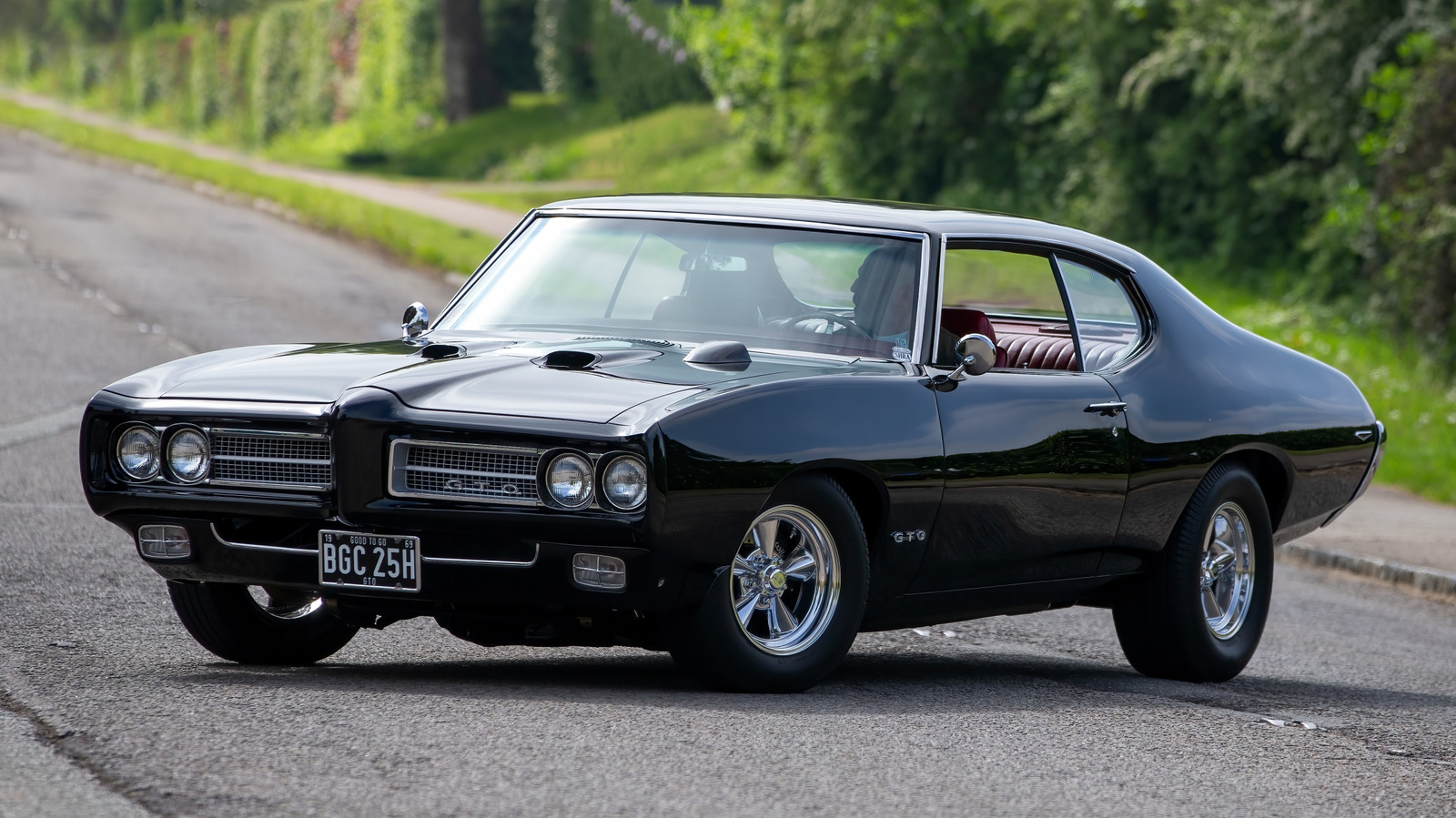
The Pontiac GTO kicked off the muscle car mania in the 1960s, but a handful of other classics pushed harder, handled better, or simply surprised everyone by being faster when it mattered. This piece takes a straight-shooting look at several iconic muscle cars that outperformed expectations and earned a spot in the lineup of true legends.
The Shelby GT350 showed the world that a muscle car could be tuned for the road and the track without losing its attitude. Carroll Shelby took the platform and sharpened the chassis, added a high-revving V8 and a suspension that actually worked, turning brute force into usable speed. Drivers loved how it could hustle through corners and still roar down the straights, proving that muscle didn’t have to mean lumbering. On the street or at a track day, the GT350 felt like a focused, aggressive statement.
The Chevrolet Camaro Z/28 was Chevy’s answer to a new kind of competition and it came ready to race. Built to excel in Trans-Am, its small-block V8 was optimized for high-rpm power and the car wore handling upgrades that kept it glued to the road. The Z/28 wasn’t about raw displacement, it was about using power intelligently so lap times dropped and smiles increased. Enthusiasts still brag about the way it balanced agility with a proper muscle soundtrack.
The Dodge Charger Hemi combined mythic sound with brutal straight-line capability, and it did so while offering surprising composure for its size. That Hemi V8 delivered a throaty, unignorable presence and explosive acceleration that turned stoplights into stage shows. Under the long hood, engineering choices gave it enough midrange punch that it felt relentless rather than peaky. For many drivers, the Charger Hemi was the definition of honest, unapologetic performance.
The Plymouth Road Runner proved muscle car performance didn’t need to be ornate to be effective, and it nailed the equation of lightweight simplicity plus a big engine. Stripped of excess frills, it focused on getting power to the pavement with minimal fuss, which translated to better launch and quicker sprint times. The Road Runner’s philosophy was clear: make it light, give it a big heart, and keep it affordable for people who wanted raw speed. That pared-down approach made it a favorite among purists and dragstrip regulars alike.
Backyard tuners and factory-backed racers alike respected the AMC AMX for packing a punch into a compact, balanced package. It may not have had the marketing muscle of some rivals, but the AMX delivered a short-wheelbase platform that responded to power and suspension tweaks with enthusiasm. The result was a car that could hustle through winding roads as confidently as it could blast down a straight. That versatility helped the AMX build a loyal following among drivers who wanted nimble speed without the bulk.
Beyond straight-line numbers, a few of these classics won respect because they translated horsepower into performance you could feel and use. Suspension, gearing, and weight distribution mattered just as much as cubic inches, and the best models found a way to combine those factors into a coherent driving tool. When a car balanced those elements, it didn’t just run faster on paper — it put real gains under the driver’s right foot and more smiles in the cockpit.
Taste and context shaped which machines people called “the best,” but performance-minded buyers often picked the cars that behaved well at speed and stayed planted through corners. That mindset elevated models that used engineering to amplify their engines rather than merely piling on displacement. The result was a small group of muscle cars that remain celebrated not only for their power, but for the way that power was delivered and enjoyed.
