
Tire tread plays a direct role in how quickly your car stops, and this article breaks down the mechanics, the real-world impacts, and simple checks you can run so braking distance doesn’t catch you off guard. You’ll get clear explanations of tread depth, water-channeling, wear patterns, and how those factors interact with conditions like rain, snow, and heat. Expect practical takeaways about maintenance and what to watch for before the next rainy commute.
Tread depth is the most obvious factor, because those grooves are literally what let rubber bite into the road. Deeper tread increases contact edges and channels water away, improving grip under braking, while shallow tread reduces those edges and makes it harder for the tire to grab the surface. The difference goes beyond comfort; manufacturers and safety testers show that a lost millimeter of tread can measurably increase stopping distances, especially on wet pavement.
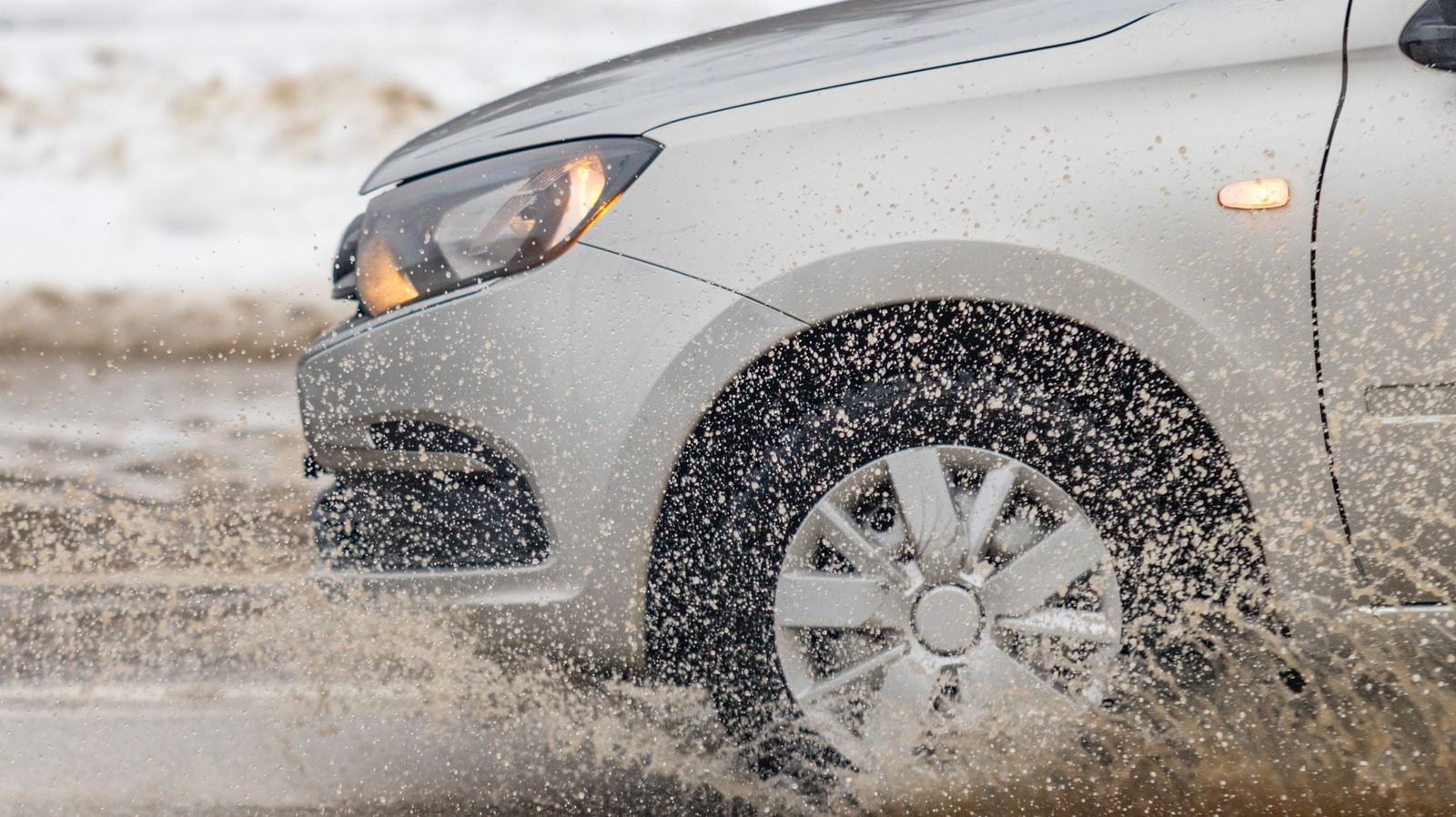
On wet roads the tread’s job shifts from traction to water management, and that shift is critical for braking. Properly designed grooves and siping force water out from under the tire so rubber meets road rather than riding on top of a film of water. When tread can’t evacuate water fast enough, hydroplaning happens and braking effectiveness collapses, sometimes turning a controlled stop into a long, terrifying slide.
Snow and slush introduce a different challenge where tread pattern matters more than raw depth in many cases. Narrow, deep grooves and lots of biting edges help pack and shed snow in ways that maintain traction during braking, while shallow or smooth tread can let snow act like ball bearings. All‑season tires perform differently from winter tires for this reason, and that shows up most starkly in braking distance tests at low temperatures and on icy surfaces.
Wear patterns tell you about problems beyond simple depth loss, because uneven wear can cut braking performance even when tread depth looks acceptable. Cupping, inner-edge wear, and feathering often point to alignment, suspension, or inflation issues that reduce the effective road contact patch. Fixing those underlying issues restores a predictable contact surface so braking forces are applied evenly and stop times stay consistent.
Tire age and compound matter too, even if the tread looks fine, because rubber hardens over time and loses grip. A decade-old tire with plenty of grooves can still perform worse than a newer tire with less depth, especially at low temperatures where aging rubber stiffens. Manufacturers and safety organizations recommend replacing tires after a defined period or when performance metrics drop, and that recommendation exists because stopping distances edge up as tires age.
Proper inflation and load influence how the tread meets the road under braking, so maintenance checks are simple but effective safety moves. Underinflation increases the contact patch’s flex and temperature, which can delay braking response and increase wear, while overinflation narrows the contact patch and reduces grip under hard stops. Regular pressure checks and load‑appropriate tires keep the intended tread shape at the contact patch, where it matters most for stopping quickly and predictably.
Modern systems like anti-lock braking help maintain steerability during a panic stop, but they can only work with the grip the tire provides. ABS modulates brake pressure to prevent lockup, which helps a driver steer around obstacles, yet ABS won’t defeat the laws of physics: if the tire lacks traction because of poor tread, ABS can’t shorten the stopping distance beyond the tire’s limit. That’s why tire condition remains the single most important variable in real-world stopping performance.
