
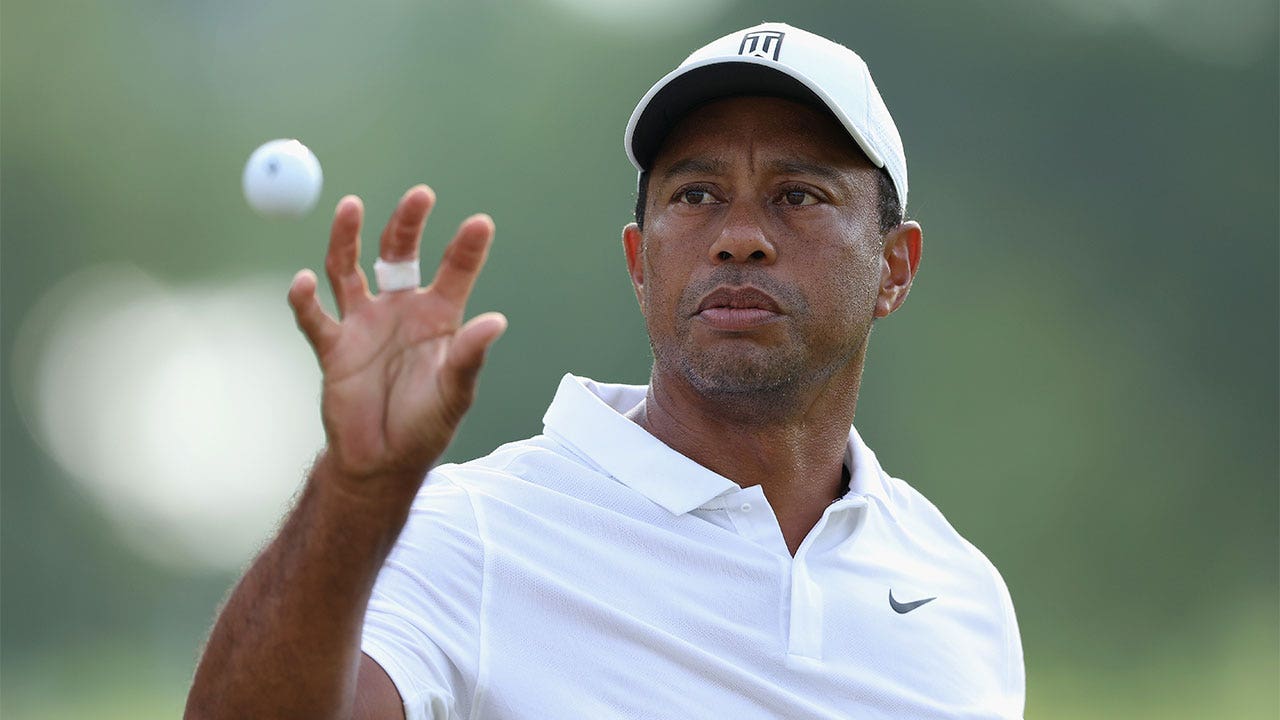
Tiger Woods has formally declined the Ryder Cup captaincy and stepped away from competitive golf after a recent DUI arrest that involved his SUV flipping near his Jupiter Island, Florida home. This decision marks a sudden shift in plans for one of golf’s most influential figures and has immediate implications for the U.S. team and the sport’s calendar. The next weeks will be about legal and medical updates, leadership decisions for the Ryder Cup, and how the game responds to a high-profile exit.
The news landed hard because Woods has long been viewed as someone who could steer a U.S. Ryder Cup side with authority and star power. He has navigated countless career comebacks before, but this incident brings a different set of questions about fitness, public standing, and personal accountability. Organizers now face a scramble to find a captaincy alternative who can harness player buy-in and national momentum.
From a legal angle, the DUI arrest and the vehicle rollover create a more complicated public record than a routine off-course distraction. Authorities and legal teams typically move quickly in such cases, and whatever comes next will shape timelines for any potential return to the spotlight. Until those processes run their course, sponsors, event planners, and teammates will have to balance patience with planning.
Medical details will be equally important. Woods has survived serious injuries before, including the 2009 and 2021 incidents that threatened his career, and recovery has often involved long, intensive rehabilitation. Whether this episode requires additional treatment or a different kind of intervention is something only physicians can determine, and it will influence whether a competitive comeback remains realistic. Golf fans know his resilience, but health has to come first.
The Ryder Cup itself is a high-stakes, emotionally charged event where leadership style matters as much as strategic nous. A captain has to manage personalities, pairings, and pressure moments, and the sudden absence of a high-profile leader creates both a vacuum and an opportunity for someone else to step up. Team selectors and PGA officials will be weighing experience, chemistry, and the ability to galvanize players when making a rapid decision.
Within the golf community, reactions will vary from concern to disappointment to practical planning for the season ahead. Players who admire Woods as a competitor and mentor will likely process this news privately while preparing for upcoming tournaments. At the same time, broadcasters, sponsors, and tour organizers will be revising narratives and contingency plans to account for altered schedules and promotional activities.
Public perception will play a big role in how this unfolds. Sports figures are afforded little margin for sustained controversy, and the court of public opinion often shapes sponsorship and media opportunities faster than formal legal outcomes. That dynamic could affect any long-term involvement in Ryder Cup leadership or similar high-profile roles, depending on how the situation develops and how those involved choose to respond.
Woods’s legacy in golf is layered: he has transformed the game’s visibility, set new standards for performance, and inspired countless players and fans worldwide. But legacy is not static, and pivotal moments like this force both personal reflection and institutional responses. The coming months will tell whether this decision marks a temporary retreat for reflection and recovery or the start of a more profound shift in his relationship with competitive golf.
For organizers and fans, practical questions are immediate: who will lead the U.S. side, how will team preparations change, and what messages will the Tour and national bodies send about leadership and conduct? Those decisions will unfold amid legal updates and medical evaluations, and they will shape how the Ryder Cup team coalesces. The sport will watch closely as procedures play out and new leadership takes shape.
