
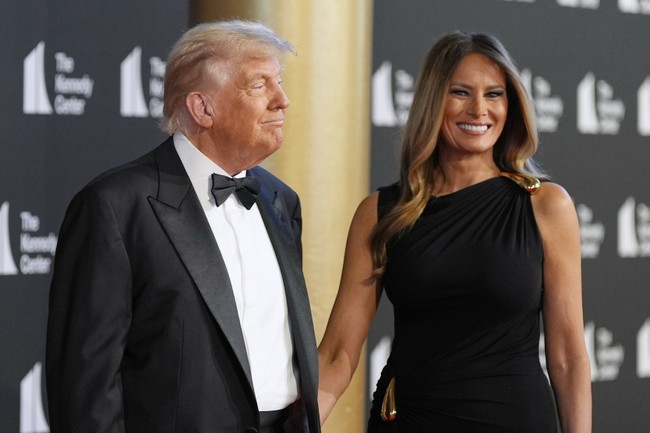
There was once a time when hard work and talent were celebrated in America. Artists were valued for their achievements, not dismissed for failing to align with certain political views. Today, however, cultural recognition often becomes a battleground for political differences, as seen in the reaction to Gloria Gaynor’s recent Kennedy Center honor.
Ana Navarro from “The View” took to social media to urge Gaynor to reject the award. Her issue? It was being given by President Donald Trump. Navarro wrote on Instagram, “Look, the woman is a goddess and deserves all the flowers that come her way. But I wish she wouldn’t accept an award from the hands of a man who has attacked the rights and history of women, people of color, and LGBTQ.”
Navarro’s reaction shows how the left can’t handle anything that challenges the “Trump is racist” narrative. Some people even argued Gaynor wasn’t worthy of the award at all. Tia Mitchell from the Atlanta Journal-Constitution criticized the Kennedy Center’s decision, saying it was politically motivated.
During a CNN segment, Mitchell questioned Gaynor’s selection. Mitchell argued that Gaynor was chosen because she is a person of color. She suggested that the Kennedy Center struggled to find a person of color willing to be honored.
Mitchell dismissed Gaynor’s career, labeling her a “one-hit wonder.” This view ignores the facts about Gaynor’s extensive career. She began in the 1960s with the Soul Satisfiers and signed with Columbia Records in 1975, producing hits that shaped disco music.
Her 1978 album “Love Tracks,” featuring “I Will Survive,” earned her a Grammy. Gaynor didn’t stop there; she transitioned into gospel music, winning another Grammy in 2019 for her album “Testimony.” Her influence has been recognized with inductions into prestigious halls of fame.
Mitchell’s criticism overlooks Gaynor’s long-standing impact on music and culture. Labeling her a “one-hit wonder” is not only inaccurate but undermines the Kennedy Center’s honor. The real issue seems to be Mitchell’s apparent bias against anything linked to Trump.
This bias is part of a larger trend where left-wing media attacks anything related to Trump. Gaynor’s contributions to music are overlooked because the left doesn’t like who is giving the award. It’s a sign of how political bias can overshadow genuine achievements.
The left’s response to Gaynor’s honor reflects a media culture that values political alignment over talent. Urging Gaynor to reject the award or dismissing her achievements shows how deep this bias runs. Trump Derangement Syndrome seems to have permeated every aspect of their worldview.
This situation highlights the need for conservative media outlets. When icons are attacked for not conforming to leftist views, alternative voices become crucial. PJ Media and others provide a platform for stories the mainstream media might ignore.
Conservative outlets can offer a narrative that values talent and legacy over political bias. They remind us that cultural achievements should be celebrated, not politicized. Supporting these platforms means supporting a more balanced view of cultural recognition.
This isn’t just about Gaynor; it’s about a broader cultural and political landscape. Conservatives need media that will stand up against biased narratives. By supporting these outlets, people can ensure that achievements are recognized fairly.
In a world where politics often overshadows talent, alternative media becomes essential. They provide a space where achievements can be appreciated without political interference. Support for these platforms is vital for a more balanced cultural narrative.
