
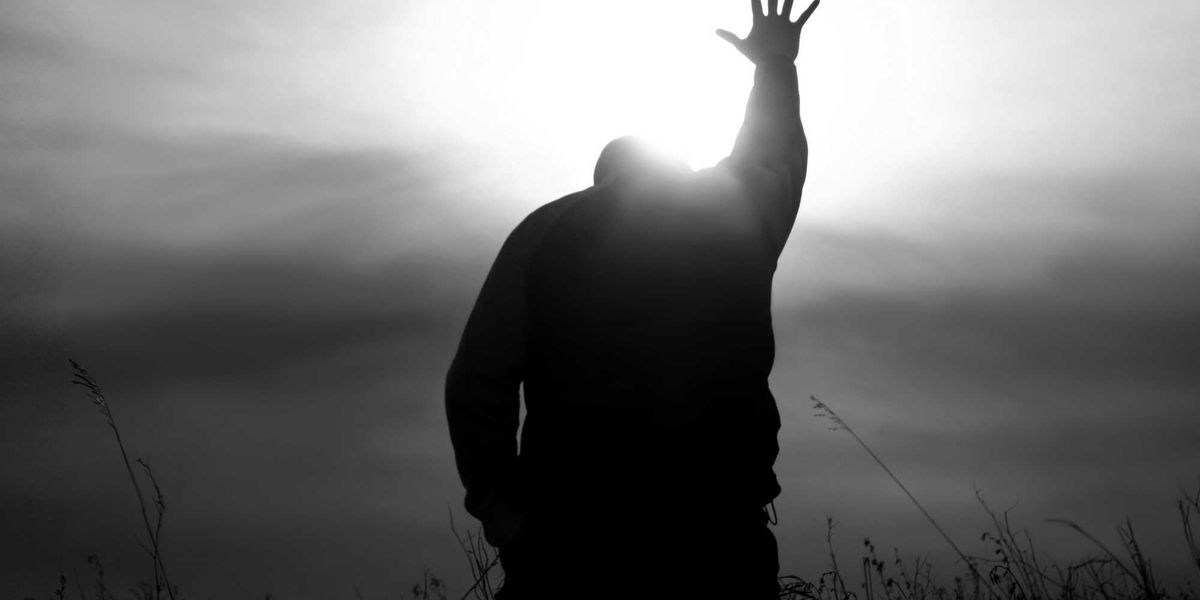
Gratitude can still stand tall when the noise gets loud, and that is what makes it so powerful. In a world that keeps trying to drag every conversation into outrage, the stronger move is often the quieter one: staying rooted in faith, keeping perspective, and remembering that some gifts cannot be taken by politics or pressure.
Thanksgiving has a way of cutting through the fog. It pushes attention away from whatever is broken for a minute and toward what remains solid, whether that is family, belief, endurance, or the simple grace of getting through another hard day.
That kind of gratitude is not soft or sentimental. It has backbone, because it survives disappointment, conflict, and exhaustion without pretending those things do not exist.
There is something especially striking about gratitude that grows out of caregiving. When life becomes a grind of appointments, worry, and repeated sacrifices, thankful people learn quickly that joy is not always loud, and peace is not always easy.
Caregiving tends to strip away the fluff. What is left is what matters most, like patience, mercy, and the stubborn decision to keep showing up even when the tank feels empty.
Faith gives that kind of endurance a deeper frame. For many people, gratitude is not just a seasonal habit, but a response to God, a steady acknowledgment that life is bigger than the immediate struggle in front of them.
That belief can be especially important when public life gets ugly. Speech gets narrowed, opinions get punished, and religious conviction is often treated like an inconvenience, yet gratitude keeps pointing back to a freedom that starts in the heart and refuses to be bullied into silence.
Freedom of speech matters because truth should not have to whisper. Freedom of religion matters because conscience should not belong to the loudest crowd in the room, and faith should not need permission to breathe.
People can disagree fiercely and still recognize that gratitude is a discipline worth protecting. It reminds everyone that a strong society is not built only on arguments and outrage, but on gratitude, restraint, and a sense of sacred responsibility.
Thanksgiving often brings those ideas into the same room. The meal, the table, the prayers, and the familiar faces all point toward a truth that gets overlooked too easily: grace is still present, even when the culture acts like it has gone missing.
That is why gratitude feels so countercultural. It does not chase applause, and it does not need a trending topic to matter, because it is tied to something older and sturdier than the latest fight.
For believers, gratitude is also a kind of witness. It says that pain does not get the final word, duty can still be honorable, and love shown in ordinary acts can carry more weight than a thousand polished speeches.
Caregivers know that lesson well. They live in the space between burden and blessing, where hard days stack up but so do quiet mercies, and where the smallest kindness can feel like a lifeline.
That reality makes gratitude more than an emotion. It becomes a way of seeing, a way of refusing bitterness, and a way of admitting that life is held together by gifts no government can manufacture.
Even in tense times, the call to be grateful does not weaken anyone. It steadies the mind, softens the spirit, and keeps attention fixed on what lasts when the noise fades and the slogans lose their shine.

1 Comment
Yes till Jan 1