
Checklist:
- Armed robbery attempt at a bank
- Gunfire changes the outcome fast
- Knife threat meets an armed response
- Texas crime and self-defense tensions
- Seconds matter in violent confrontations
What started as a tense bank robbery scene ended in a split-second showdown that left one alleged attacker dead and a roomful of people staring at the kind of violence nobody wants to see on a normal day. The incident unfolded with a knife reportedly in play, but the balance shifted fast when an armed customer stepped in and the situation turned deadly. In Texas, where self-defense debates never stay quiet for long, the details are getting the kind of attention that comes with a case this raw.
According to the account, the alleged robber entered the bank armed with a knife and tried to force control of the moment. That alone was enough to send the place into panic mode, because a knife in close quarters leaves almost no room for calm thinking or hesitation. Banks are supposed to be places of routine and predictability, but when a threat walks through the door, everything changes in a flash.
Then came the customer who was carrying a gun, and that changed the energy in the room immediately. The tables did not just turn, they flipped hard, and the alleged robber was shot during the confrontation. It is the kind of outcome that splits opinion right down the middle, with some seeing a frighteningly fast act of self-defense and others seeing yet another reminder of how quickly violence escalates once weapons are involved.
Texas has long been a place where armed self-protection is part of the culture, and this case lands right in the middle of that reality. Supporters of the armed customer will likely point to the obvious danger posed by an armed robbery and say the response stopped a serious threat before it could spread. Critics, meanwhile, will focus on the loss of life and the danger that always comes with civilians making life-or-death decisions in public spaces.
The heart of the story is not complicated, even if the legal and moral questions around it are. A knife-wielding suspect allegedly tried to rob a bank, and a customer with a gun responded with lethal force. In a matter of seconds, one person allegedly trying to take control lost everything, and everyone else in the building was left to deal with the shock after the shooting stopped.
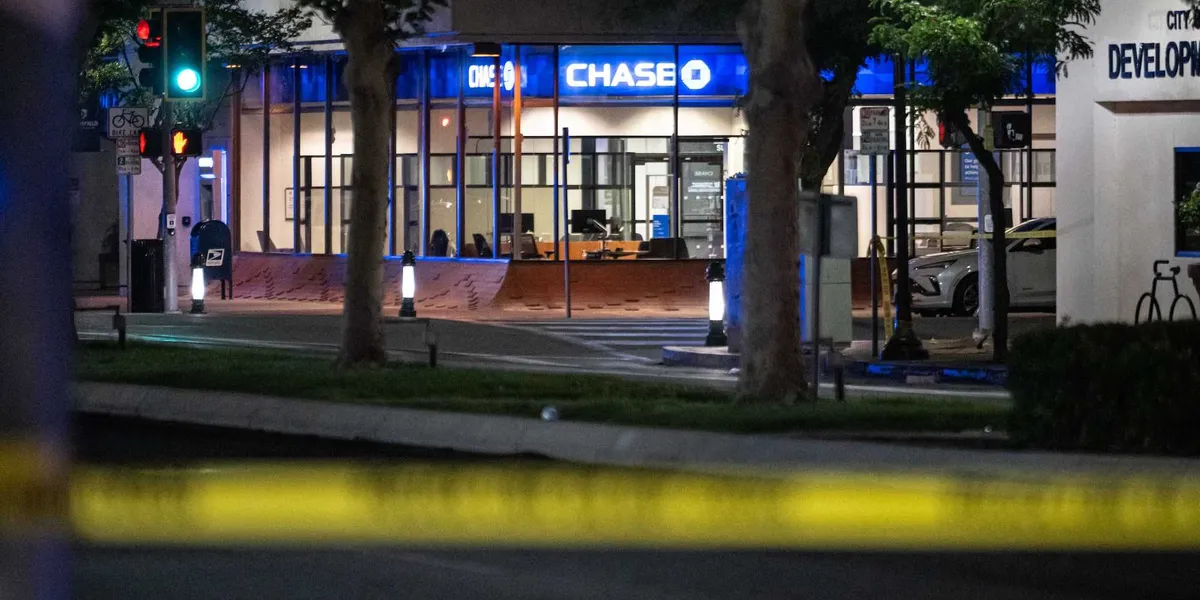
That kind of moment leaves behind more than police tape and headlines. It leaves witnesses replaying the scene in their heads, asking what else could have happened and whether the outcome could ever have been different. It also feeds a bigger national argument about who should be armed, when a weapon becomes protection, and how thin the line can be between survival and tragedy.
There is also the simple fact that a bank robbery is not some abstract debate. People inside those walls are trying to get through an ordinary day, and the sudden arrival of a threat can turn routine into chaos in seconds. Once the alleged robber brought a knife into that setting, the pressure on everyone nearby became immediate, and the armed response made the room even more volatile.
Cases like this rarely stay neatly inside one category. They touch crime, public safety, personal responsibility, and the uncomfortable truth that real-world violence rarely gives anyone time to think it through. That is why this incident is likely to keep drawing attention, not just because of how it ended, but because of what it says about the risks people carry every time they step into a public place with a weapon hidden on their person.
