
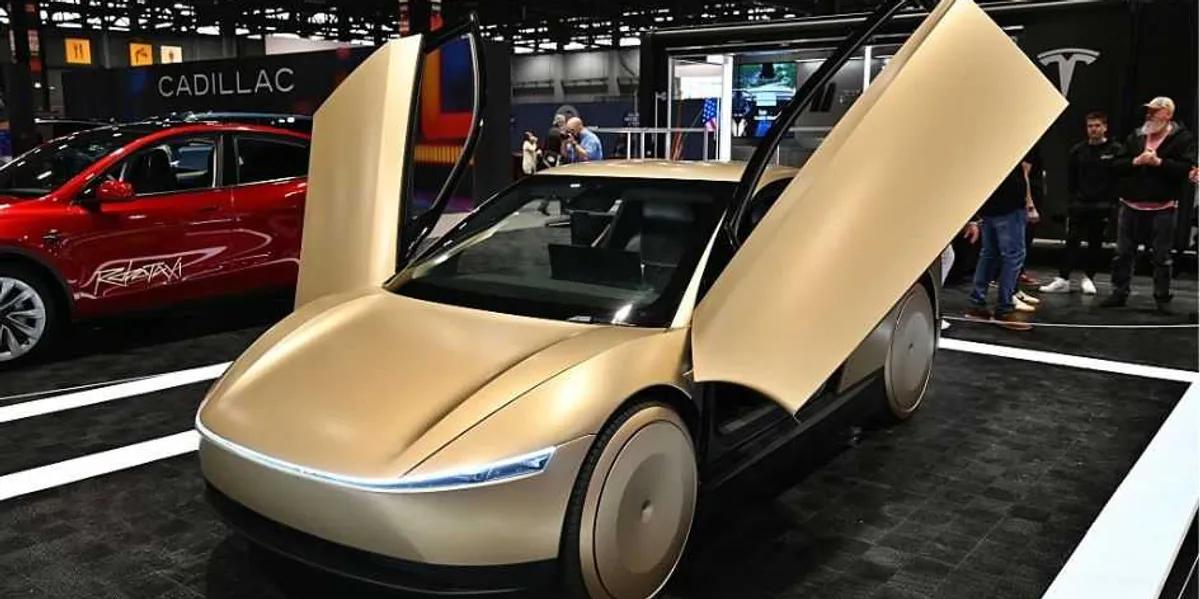
This piece looks at Washington’s mixed signals on self-driving cars, why regulators are piling on the most visible player, and how deployment, data and control are shaping the future of autonomous mobility.
Washington keeps calling autonomous vehicles the future, promising safer roads and smarter mobility, but the actions coming from regulators tell a different story. Instead of steady rules that let innovation scale, enforcement seems to land hardest on the company that actually put the technology into millions of cars. That selective pressure raises legitimate questions about whether policy is nudging outcomes or protecting competition.
Tesla’s Full Self-Driving system is under intense federal scrutiny, with agencies digging into visibility and low-light performance. Those concerns are real: camera-based systems do struggle in fog, glare and dust. Yet those same limits apply to other driver-assist systems, and singling out the most deployed system looks more like policing a leader than regulating a sector.
Tesla has millions of vehicles generating data. Most competitors don’t. That raises a bigger question: control.
There are real-world failures beyond one company. In Wuhan, China, a large fleet of robotaxis stalled in traffic after a system-wide glitch, showing how fully autonomous services can cause disruption at scale when there’s no immediate human fallback. And in U.S. cities, commercial robotaxi services have seen outages and connectivity woes that took vehicles out of service temporarily, underscoring that autonomy is still brittle in complex conditions.
The practical difference is important: driver-assist systems keep a human in the loop, allowing immediate intervention when a machine stumbles. Robotaxi fleets operate without that fallback, which means a single problem can ripple across many vehicles fast. That scalability risk is not just technical; it’s operational and political, and regulators should measure both dimensions when they act.
Tesla’s approach has been to iterate in the real world, ship over-the-air updates and learn from millions of miles of driving data. That model looks more like a software company than a traditional automaker, and it forces a regulator that’s used to slow, predictable cycles to react in real time. The result is tension: regulators expect stability while modern development favors rapid iteration.
Policy choices matter because autonomous vehicles are about more than convenience — they’re about data flows, infrastructure and who sets the rules for mobility. If a handful of firms control the systems and the data, policymakers will be deciding who wins the market, not just how safe the technology is. That’s why even enforcement needs to be fair and proportional, not targeted at the most visible or fastest-moving firm.
Washington’s current mix of encouragement and enforcement sends mixed messages to drivers and investors alike, chilling confidence just as rivals move forward overseas. China is expanding robotaxi programs while some U.S. companies scale more cautiously, creating a split between aggressive deployment and cautious oversight. If the goal is safety and leadership, policy should be clear, consistent and technology-neutral.
Regulators should set standards that apply across the board and let competition play out on execution and service, not on who lands under the microscope. That means testing protocols that match real-world complexity, transparency around data and performance, and a regulatory posture that supports innovation while protecting the public. Until policy makers pick a coherent path, the future of self-driving cars will be decided as much by politics as by engineering.
