
I’ll trace how relations between the White House and Buckingham Palace moved from outright hostility to a tight strategic friendship, note key moments that defined the partnership, highlight human moments that softened stiff diplomacy, recall ceremonial but meaningful royal visits across the 20th century, and explain why King Charles’ trip matters now. This piece keeps the focus on the United Kingdom and the United States, and why that “special relationship” has mattered and still matters.
The early story is sharp and simple: Britain and the American colonies fought a war that left deep scars. King George III was cast as the antagonist in the Revolution, and British forces later burned the White House during the War of 1812. Those memories didn’t evaporate overnight, and early American attitudes toward royalty were shaped by a fierce independence.
The 19th century produced mixed signals. Queen Victoria endeared herself to some by reading “Uncle Tom’s Cabin” aloud to the royal household, an act applauded by abolitionists but poorly received in the slaveholding South. At the same time, diplomacy and technology were beginning to shrink the distance between capitals, setting the stage for a new kind of relationship.
By the turn of the 20th century, leaders on both sides saw opportunity in closer ties. In 1903, former President Theodore Roosevelt used a new wireless telegraph to send a transatlantic greeting directly to King Edward VII, saying: “In taking advantage of the wonderful triumph of research and ingenuity which has been achieved in perfecting a system of wireless telegraphy, I extend on behalf of the American people most cordial greetings and good wishes to you and all the people of the British Empire.” That message was a signal that technology could also be diplomacy.
The two nations stood together in major wars that shaped the modern world. World War I and World War II forged military and political bonds, and the Cold War stitched them into a strategic partnership against common threats. Those conflicts turned occasional courtesy visits into regular exchanges between presidents and monarchs, and the capitals began to talk not just as cousins but as allies.
Queen Elizabeth II’s long reign crystallized that modern connection. Over seventy years, she met nearly every president in office from Dwight D. Eisenhower through Joe Biden, with only one sitting president absent from that list. Her visits blended ceremony with practical diplomacy, as when a 1957 meeting helped ease tensions after the Suez Crisis and showed how a monarch could nudge two governments back onto steady ground.
Royal visits have never been only about statecraft; they are moments the public remembers. In 1976, the queen spoke at the White House during United States bicentennial celebrations, signaling a symbolic healing of old wounds. More lighthearted times punctuated the record too, like Diana dancing with John Travolta at a Reagan-era event, or the informal image of Roosevelt serving hot dogs to a royal couple to underline American egalitarianism.
There have been awkward moments and small diplomatic missteps along the way. One president once gifted the queen an iPod that she already owned, while another chose a sterling silver keepsake that landed better. Personal anecdotes from White House staff—tales of forgotten socks at Buckingham Palace and the playful rituals of state—remind us that this relationship mixes seriousness with human foibles.
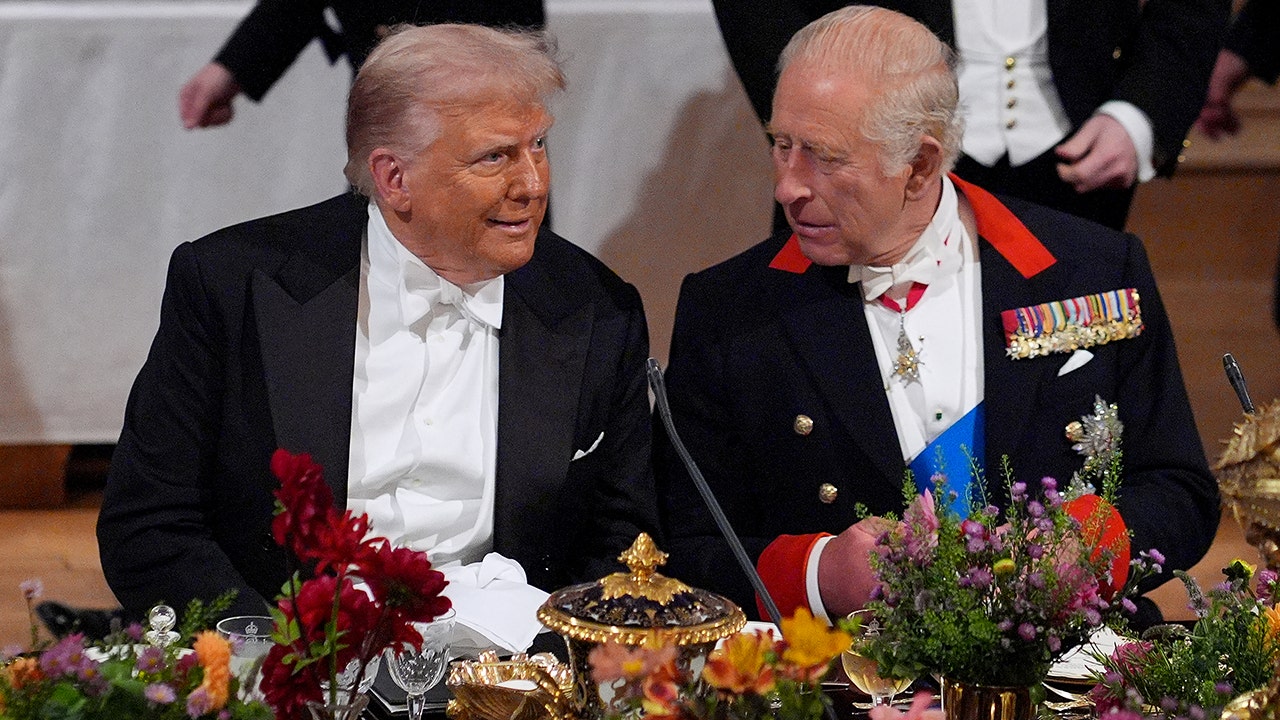
Now King Charles prepares for his first visit to the United States in President Donald Trump’s second term, arriving amid disagreements over policy in the Middle East and questions about how to handle Iran. Charles is not a political leader, but past visits show a royal presence can help ease tensions and keep the transatlantic partnership steady when tough decisions are necessary. The relationship between Washington and London has survived wars, politics, and personality clashes, and that continuity still matters for American security and global influence.
