
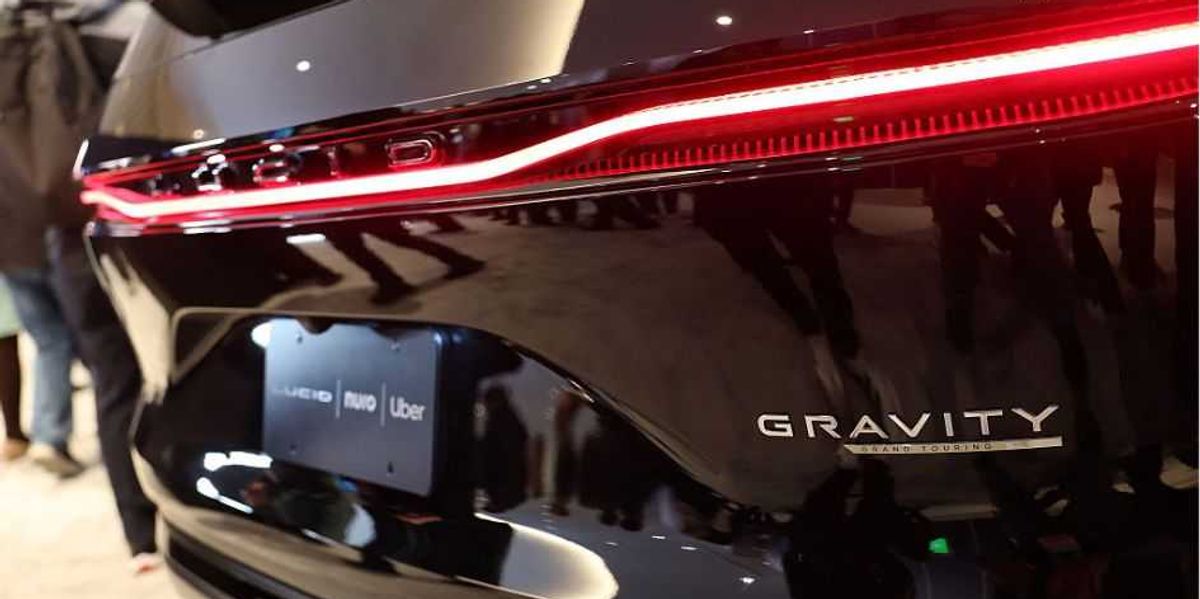
Lucid has built a reputation around sleek design, serious performance, and some of the most polished electric vehicles on the road. But in a market where great products do not always win, the company is staring at a far messier reality. The EV world is crowded, expensive, and unforgiving, and even a standout brand can get squeezed when the money, scale, and demand do not line up.
Lucid’s biggest selling point has always been quality. Its cars turn heads, deliver long range, and show real engineering muscle, which gives the brand a rare kind of credibility in a space full of hype. That matters, because buyers who want luxury and tech often notice when a company feels more refined than its rivals.
Still, being admired is not the same as being sustainable. Lucid has been fighting the brutal math that comes with building premium EVs at a time when consumers are more cautious, financing is tighter, and price tags can scare people off. The company can make a car people love, but turning that into steady volume is a different beast entirely.
The broader EV market has also cooled from the wide-open optimism that surrounded it a few years ago. Buyers are more selective now, incentives are shifting, and the rush to go electric has become more complicated than the industry once hoped. That leaves companies like Lucid in a tough spot, because they need growth fast while the market itself is no longer handing it to them.
There is also a deeper strategic question hanging over the brand. Lucid has strong backers, including ties to Saudi Arabia, and that support has helped keep the company alive through a demanding stretch. But even generous backing can only go so far if the business does not eventually stand on its own two feet.
Meanwhile, the competition never stops moving. Tesla still dominates the conversation, legacy automakers keep improving their EV lineups, and new players keep chasing the same customers Lucid wants. In Silicon Valley terms, the company has built an impressive product, but the market does not hand out rewards for potential alone.
That is what makes Lucid such a fascinating case. It represents the strange split between what people praise and what investors worry about. The cars may be among the best in America, but the company still has to prove that excellence can survive the grind of production targets, sales pressure, and a market that punishes slow movers.
The challenge is not just building better EVs, but building a business that can endure when enthusiasm fades. Lucid has the kind of brand appeal that can keep it in the conversation, and the kind of technical credibility that competitors would love to have. Whether that becomes enough is a much harsher question, and the answer is being written in real time.
