
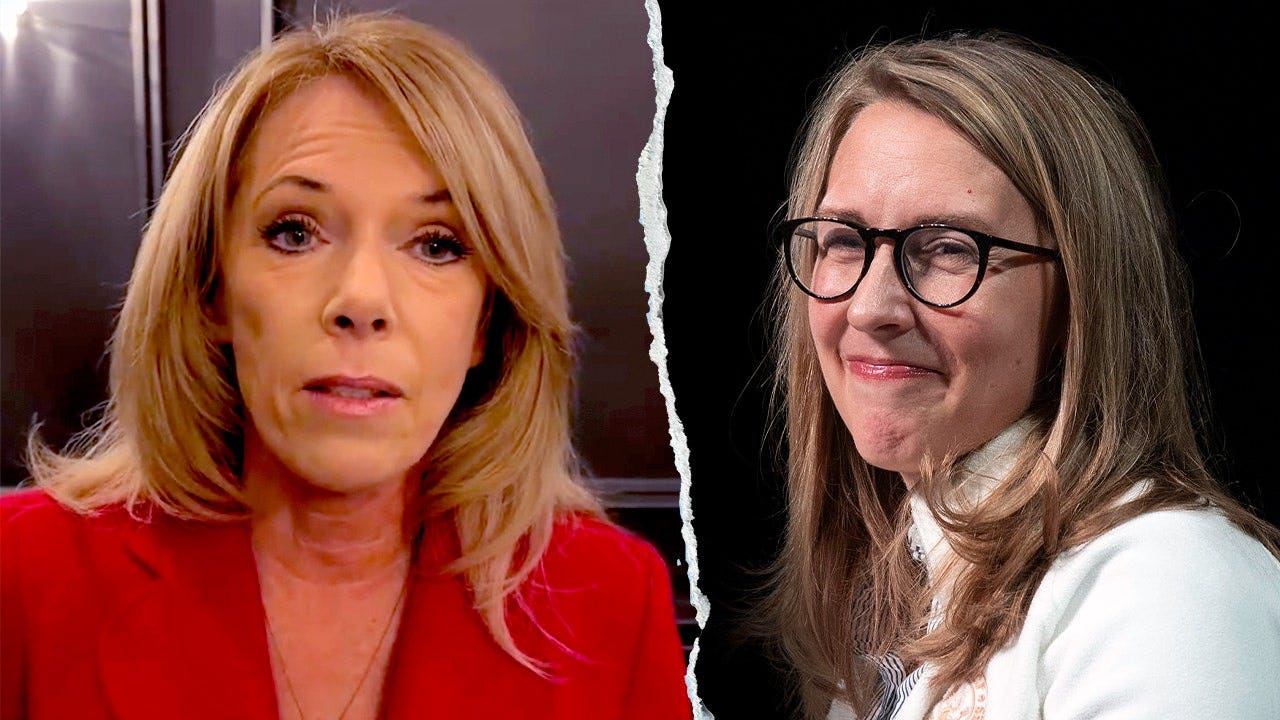
- Terri DeBoer’s primary win and push to flip a longtime GOP seat
- West Michigan voters looking for a new direction
- Contrast between DeBoer and Rep. Hillary Scholten
- Affordability, border security, and energy concerns
- Calls for common-sense representation and fiscal restraint
Terri DeBoer’s primary victory has put her on a fast track into one of Michigan’s most watched House races, and she is wasting no time making the case that voters in the 3rd Congressional District are ready for something different. The longtime West Michigan meteorologist is leaning hard into that outsider image, arguing that the district, which had been in Republican hands for years before 2022, can be pulled back if frustration over the current direction keeps building.
DeBoer says the mood she hears on the ground is simple and blunt: people want a reset. She has framed her campaign around the idea that voters are tired of polished talking points and want someone who reflects the area’s values, priorities, and everyday concerns.
That message is aimed squarely at Rep. Hillary Scholten, who flipped the district in 2022 and is now trying to hold onto it. DeBoer, a mother of three with decades in western Michigan television, is presenting herself as a practical alternative, someone with deep local roots and a public-facing career built on trust.
Her pitch is not just about biography. DeBoer is pressing the argument that Scholten projects a moderate tone on the trail while backing positions that do not line up with the district’s voters once she gets to Washington. That contrast, DeBoer says, is where the race gets sharp and personal for people paying attention.
She has pointed to issues like border security, school sports, and broader cultural fights as proof that Democrats in Congress have drifted away from regular families. In her view, the party is now aligned with a brand of politics that feels out of step with what she calls common sense West Michigan values.
DeBoer also tied her campaign to the bigger political atmosphere in the state, where Democratic primaries and intraparty divisions have drawn plenty of attention. She pushed back on the idea that progressive victories elsewhere mean voters in her district want the same thing, insisting that West Michigan is a different place with different instincts.
Her argument keeps circling back to the same point: the district’s voters are looking for representation that feels grounded, not performative. At doors, in stores, and out in public, she says the reaction has been consistent, with residents thanking her for stepping into the race and voicing concern that their values are getting lost in Washington.
Affordability is the other big pillar of her campaign, and it is the one most likely to land with the broadest group of voters. DeBoer says families are getting squeezed by the cost of groceries, energy, housing, and healthcare, and she is making the case that all the talk in the world means little if basic bills keep climbing.
She wants the race to be about kitchen-table pressure, not just party labels. That means talking about reliable energy, fewer regulations on small businesses, more healthcare choice, and a border policy that actually looks like it was written for the real world rather than a think tank seminar.
Her economic message is also tied to a larger complaint about how government spends money. DeBoer has called for cutting reckless federal spending and wiping out waste, fraud, and abuse, arguing that the money lost to those problems hits ordinary Americans right in the wallet.
The tone of the campaign is still very much in motion, but DeBoer is betting that frustration has more power than familiarity. In a district with a recent history of swinging hard, she is trying to turn that sense of unease into momentum, and she is doing it with a message built around change, affordability, and a promise to keep things plain-spoken in a race that is already getting plenty loud.
