
Checklist:
- Grocery self-checkout and the growing backlash around it
- How the machines change the feel of shopping
- The frustration of lost labor and slowdowns
- Why theft, glitches, and bad design keep coming up
- The push to bring back more human checkout lanes
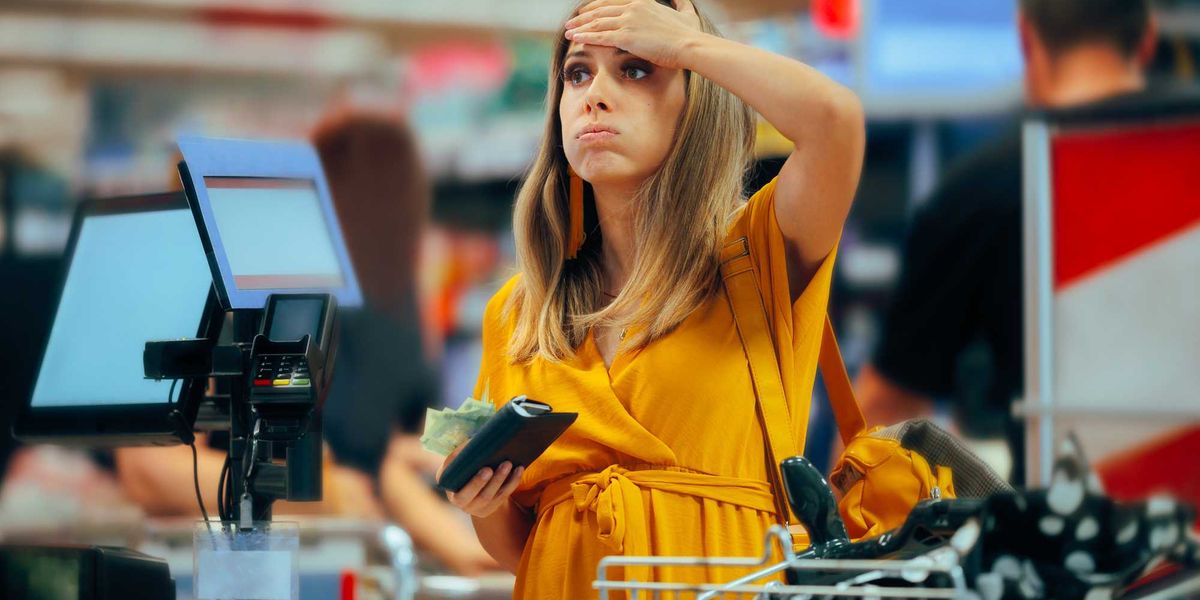
Self-checkout was sold as the future, but for a lot of shoppers it feels more like a test of patience. What was supposed to be quick and convenient has turned into a clunky routine full of awkward pauses, barcode drama, and that familiar screen telling people to “wait for assistance.”
The whole setup also changes the mood of grocery shopping. Instead of a simple exchange with a cashier, customers are left doing the store’s work while juggling bags, produce codes, and a machine that often acts like it has an attitude problem.
That irritation has only grown as stores keep leaning on the machines. People notice when fewer staff members are on the floor, when checkout lanes get crowded, and when the supposed shortcut ends up taking longer than the old way ever did.
There is also the question of what this shift does to the job itself. Cashiers used to be a steady part of the store experience, and self-checkout has chipped away at that presence in a way that feels cold to many shoppers. A grocery store without enough people behind the registers can start to feel less like a service and more like a warehouse with lights on.
Then comes the security angle, which stores keep talking about more loudly every year. Self-checkout has a reputation for missed scans, confused customers, and plenty of opportunities for items to slip through unnoticed, whether by accident or not. Once that reputation sticks, the machines stop looking efficient and start looking expensive in all the wrong ways.
Even the honest mistakes can be maddening. A banana gets typed in wrong, a bag of apples triggers a mysterious alert, or the scale decides a pack of bottled water has offended it personally. The result is a mini drama in the middle of a normal errand, with other shoppers waiting behind one stranded cart and one frustrated human.
That kind of friction explains why the backlash keeps spreading. People do not want a lecture from a screen when they are trying to buy milk and eggs, and they definitely do not want to feel like unpaid employees while being watched by security cameras and an overworked attendant.
For many customers, the real appeal of grocery shopping has always been the simple rhythm of it. Pick the items, pay, leave, and get on with the day. Self-checkout breaks that rhythm and replaces it with a slow, oddly tense process that can make a quick errand feel strangely exhausting.
Stores are starting to feel the pressure from that frustration. Some are scaling back the machines, others are adding more staffed lanes, and many shoppers are making it clear that convenience should actually feel convenient. When a checkout system becomes the part of the trip people dread most, the sales pitch has already started to collapse.
