
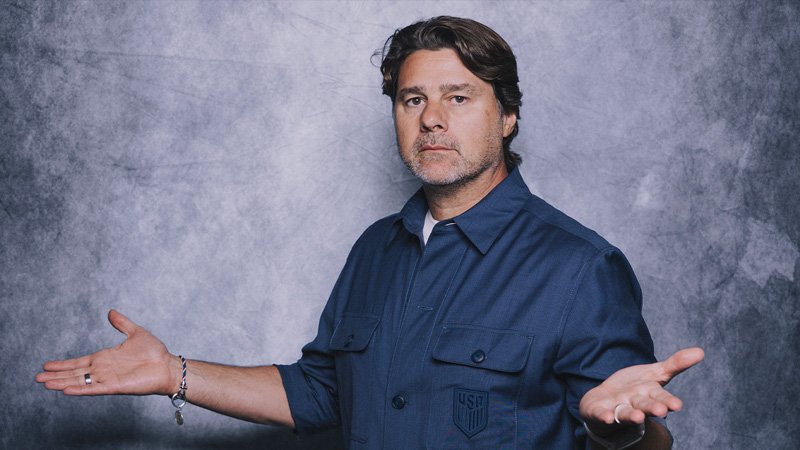
Mauricio Pochettino has been clear and unflinching: “Despite not having any top-100 players, Team USA head coach Mauricio Pochettino is adamant that America can win the World Cup.” This piece looks at why that claim isn’t just bold talk, what Pochettino brings to the table, how the squad’s makeup might actually help, and the realistic obstacles standing in the way. Read on for a tight, energetic take on mindset, tactics, roster realities, and the small edges that can push a team from hopeful to dangerous.
Pochettino’s reputation precedes him, and that matters more than rankings on a list. He has a track record of getting teams to punch above their weight by prioritizing structure, pressing intensity, and a collective identity that players buy into. When a coach changes the way a team thinks, rankings become less relevant and matchups start to matter more. For a national side that often leans on individual stars, that shift toward system over star power could be the defining factor.
Rankings are useful for a snapshot, but they don’t capture potential under hot lights and on neutral turf. The World Cup is a tournament of moments—set pieces, substitutions, and psychological turns that tilt matches. A compact, disciplined unit can grind out results against more celebrated opponents if it controls transition moments and limits mistakes. Pochettino’s teams historically find ways to squeeze value from every minute, and that kind of efficiency matters when margins are thin.
Roster construction for the U.S. has been an evolving story, with players developing at different rates across Europe and MLS. Depth matters more than flash when knockouts arrive, because injuries and form swings are inevitable. Pochettino’s focus on roles and flexible game plans gives fringe players a clearer path to contributing. If the manager can make smart rotations and keep the group’s energy high, the American pool could outplay its label as underpowered.
On the tactical front, expect a blend of aggressive pressing and controlled possession that leans on physicality and speed rather than technical fireworks. That plays to the strengths of many U.S. profiles: athletic, disciplined, and willing to run. Pochettino will want to force turnovers in dangerous areas and convert them quickly, turning defense into attack before opponents settle. It’s a practical blueprint designed to exploit chaos, where lower-ranked rosters can disrupt higher-ranked ones by dictating tempo at key moments.
Mentally, this is a test of belief. Saying you can win a World Cup is different from building the belief inside a locker room and around a nation. Pochettino’s job is partly psychological: install confidence without inflating ego, insist on accountability, and create a sense of inevitability around the team’s approach. That kind of culture can turn collective modesty into collective grit, which is often the difference in knockout football. When players buy in, the team becomes a single unit rather than a collection of individuals trying to shine.
Obstacles remain real and obvious: elite opposition, the unpredictability of form, and the thin line between tactical genius and stubbornness. Even the best coaches can’t eliminate variance, and single-game eliminations magnify small errors. Still, the U.S. can hedge those risks by staying sharp on fundamentals, optimizing set-piece threat, and making decisive substitutions. If Pochettino’s vision translates into cohesion and the squad seizes critical moments, the label of “underdog” could become an advantage rather than a handicap.
