
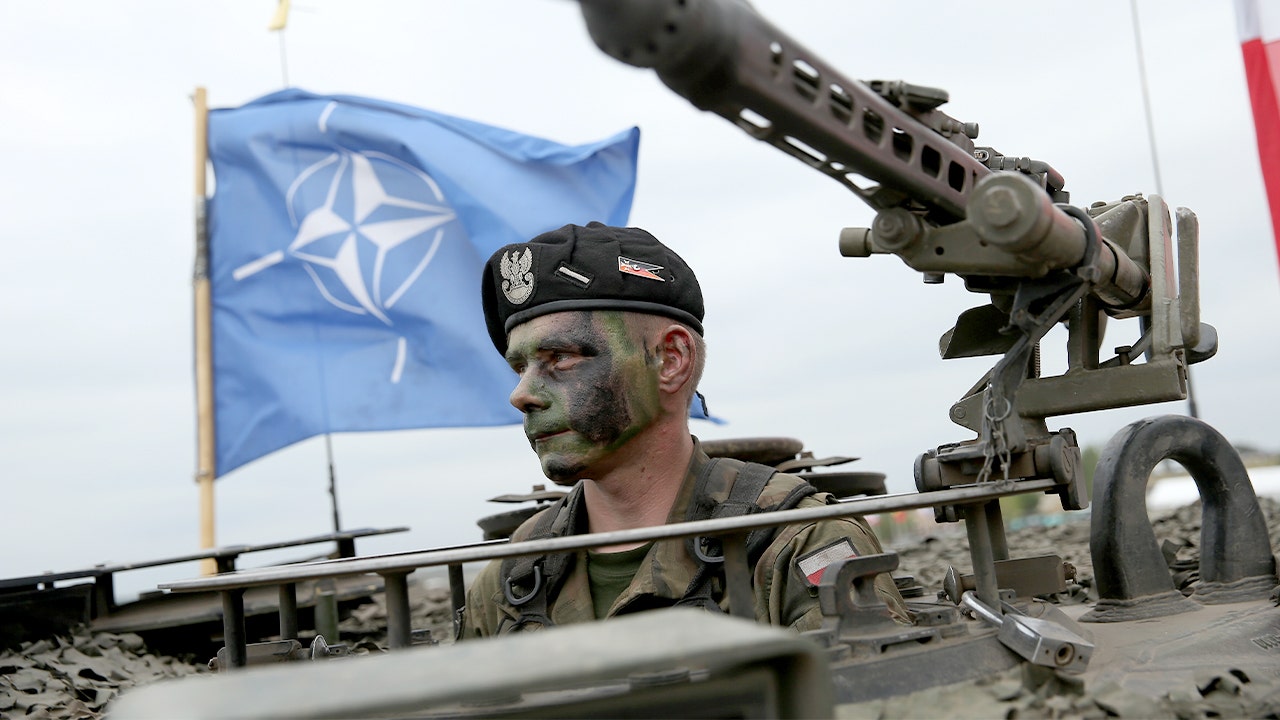
The NATO Alliance has momentum, but momentum without muscle is just talk; this article argues we must turn pledges into capabilities, shift Europe toward real conventional defense, and expand the industrial base that keeps America and its Allies secure.
Declarations are not deterrence, and commitments are not capabilities. Leaders can sign promises in conference halls, but true security comes from equipment in the field and troops ready to fight. The Hague pledge to aim for five percent of GDP on core defense was a political wake-up call that needs follow-through.
TRUMP CALLS OUT NATO AHEAD OF SUMMIT, CALLING IT ‘RIDICULOUS’ FOR US TO PERSIST ON ‘ONE SIDED PATH’
Since 2017, European Allies and Canada have increased defense investment dramatically, and that cash matters. Billions turned into real orders and real hardware, much of it produced by American firms that still lead the world in defense manufacturing. Our production lines are the backbone of allied readiness and a strategic advantage we should not waste.
The Burden-Sharing Reckoning
Allied spending has grown, but it remains uneven across the Alliance, and uneven means vulnerability. The United States will, rightly, keep holding partners accountable to their commitments because a weak link invites aggression. In modern conflict, threats like drones, hybrid attacks, and hypersonic weapons make collective readiness only as strong as the least-prepared member.
PENTAGON SLASHES NATO COMBAT COMMITMENTS AS TRUMP PUSHES EUROPE TO DEFEND ITSELF
The objective is clear: move conventional defense of Europe onto European shoulders while the United States provides decisive support where it matters most. That includes our nuclear deterrent, integrated air and missile defenses, and targeted capabilities that multiply allied effects. Training must be tougher, exercises more realistic, and command relationships sharpened so Europeans can lead when battles demand it.
The Defense Industrial Imperative
The real revolution is happening in factories, not at podiums. We need more equipment, made faster and smarter, with transatlantic industrial partnerships that share production, sustainment, and innovation. Long-term contracting certainty and pathways for small innovators are practical steps to ensure supply chains never run dry when conflict tests them.
UKRAINE’S BATTLEFIELD IS TRANSFORMING THE FUTURE OF NATO
Ukraine has been a brutal proving ground for modern warfighting and a clear lesson in why capability matters more than rhetoric. Allied demand for advanced systems feeds American production, and that production feeds deterrence. This virtuous cycle is how we turn money into security and make the cost of aggression prohibitively high.
Ankara must be a summit of action, not another list of promises. The Hague gave political will; Ankara must set measurable milestones, capability targets, and enforcement mechanisms so commitments become deliverables. “President Reagan said peace through strength is not a slogan but a fact of life.” We should take that literally and build an Alliance that can defend every inch of NATO territory.
The United States will remain the backbone of NATO while pushing Allies to do more and do it better. A stronger Europe armed with real capabilities is not a threat to America; it is the prerequisite for an Alliance that fights and wins together. Now is the time to convert momentum into muscle so potential adversaries conclude aggression will fail before it begins.

1 Comment
Yes NATO do your share smaller nations ALL Must