
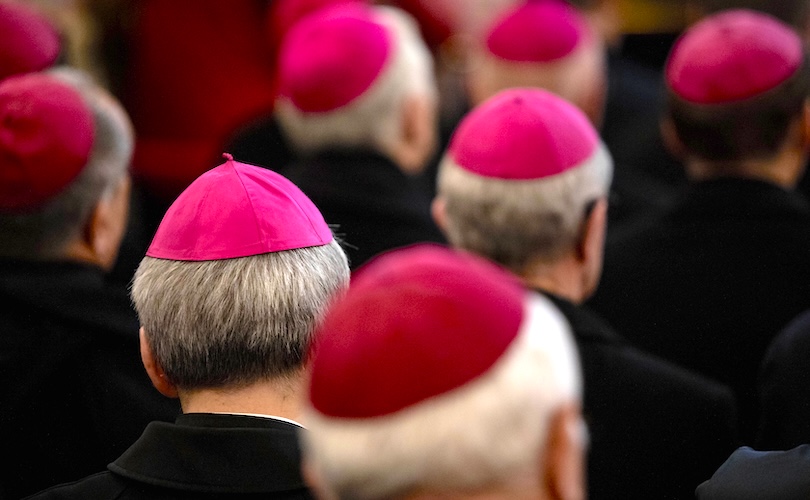
The Swiss bishops have publicly rejected practices intended to change a person’s sexual orientation or gender identity, framing their stance in moral terms and urging a pastoral approach instead. Their statement insisted that such interventions run into serious ethical concerns and referenced the human dignity grounded in religious belief. This article explains the bishops’ position, the reasoning they offered, and what it might mean for pastoral care and public discussion.
The bishops said that efforts aimed at altering someone’s sexual inclination or gender identity are unacceptable, and they framed that judgment around respect for persons. In their language they argued that these practices “contradict the dignity of the person as the image of God,” putting moral weight behind a call for humane treatment. That line sits at the heart of their announcement and it shaped the tone of their guidance.
The statement is not a legal brief or a public policy manifesto, but it carries influence among Catholic communities in Switzerland. Many faithful look to bishops for moral direction, and when church leaders take a clear position it filters into parish life and counseling practices. For clergy and lay ministers this guidance suggests avoiding any programs designed to coerce change and instead focusing on accompaniment and respect.
Critics of conversion therapy have long argued that attempts to alter sexual orientation or gender identity can cause harm, and the bishops leaned on that concern. Their emphasis was less about political regulation and more about moral clarity and the protection of human dignity. By highlighting harm and dignity, church leaders aimed to balance pastoral care with ethical restraint.
At the same time the bishops acknowledged the pastoral challenge: people come to church with real struggles, confusion, and pain. They encouraged approaches centered on listening, support, and spiritual accompaniment rather than technical programs to change identity. That shifts the emphasis from correction to care, prioritizing the person’s wellbeing over experimental interventions.
The statement also raises questions for professionals who work at the intersection of faith and therapy. Mental health providers and pastoral counselors who serve Catholic communities may need to reassess methods that promise change and instead offer evidence-based support for coping and self-understanding. The bishops’ words make clear that the church’s preferred route is accompaniment rooted in empathy rather than techniques aimed at transformation.
Public reaction is likely to be mixed. Some will welcome a clear ethical stance that rejects coercive practices, while others may worry about limits on religious freedom or therapeutic choice. The bishops focused on pastoral responsibility and moral language, avoiding legal prescriptions, so their statement functions more as guidance than as a push for new laws.
For parish communities the practical takeaway is straightforward: emphasize respect, avoid programs premised on changing orientation or identity, and invest in listening and support. Pastors and lay leaders who want to follow the bishops’ direction will need to build relationships, offer safe spaces, and connect people to qualified mental health resources when necessary. That approach keeps the person at the center and treats spiritual care as accompaniment rather than correction.
Ultimately the bishops’ message frames the debate in moral terms and presses for compassion and dignity in pastoral encounters. Their use of the phrase “contradict the dignity of the person as the image of God” signals a theological grounding for their stance and sets expectations for how church ministries should respond. The conversation is ongoing, and the challenge now is to translate moral language into everyday pastoral practice without abandoning care for those who are struggling.
