
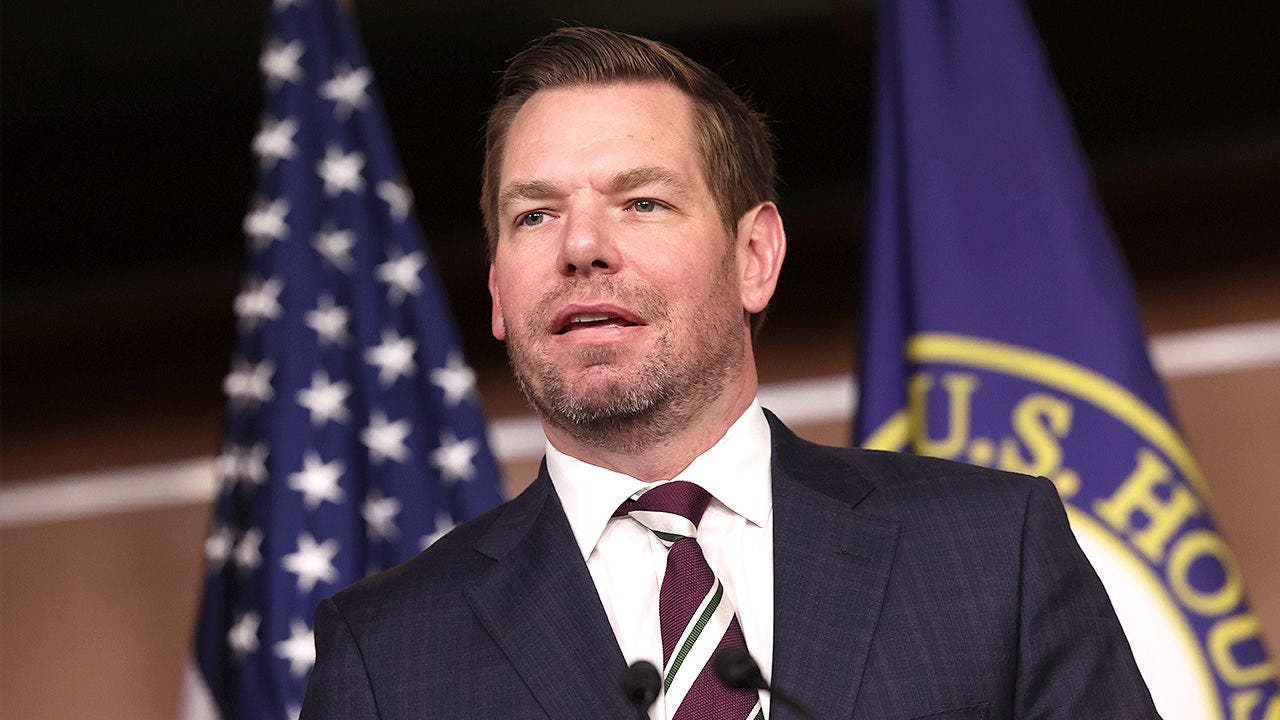
Eric Swalwell’s sudden fall from grace and his aborted run for California governor exposed an ugly mix of alleged misconduct, party protection, and surgical political timing. What looked like inside confidence turned into a fast exit once the Democratic machine decided he was a liability. This piece walks through the allegations, the party’s role, and why the timing smelled like deliberate damage control.
It still staggers that a congressman facing public accusations could think he had a shot at statewide office. Running a serious campaign while those clouding allegations hovered over him felt either reckless or arrogantly confident. Either way, it forced a reckoning about who really gets shielded in Washington and why.
Swalwell seems to have counted on a protective press and a forgiving party to carry him through uncomfortable headlines. For years some in the capital treated his behavior as an open secret rather than a career-ending scandal. That kind of shelter breeds boldness and bad judgment in equal measure.
The shift since the #MeToo era means allegations no longer stay buried the way they once did, but political calculus still determines how quickly stars fall. Party leaders decide when the axe drops and who gets allowed to limp on. If the calculus favors the party, even obvious problems can be papered over until they cannot be ignored.
Their double standard shows clearly in how different cases are handled across party lines. When a Republican faces similar claims the reaction is predictable and swift from the left-leaning complex that controls much of the narrative. That fuels the perception that Democrats keep secrets for their allies and mete out punishment when it serves a strategic need.
Timing was the real weapon here: Swalwell’s climb in polling made him useful until he became a liability. When the general election math looked dangerous, the internal knives came out quickly. Careers that were nurtured yesterday are thrown away today if the party fears a loss tomorrow.
Nancy Pelosi’s role as caucus enforcer is no surprise to anyone who has watched her manage colleagues for decades. The quick pivot from support to repudiation reveals how centralized control operates in practice. Loyalty buys a lot, but apparently not immunity when the risk becomes electoral defeat.
Friends and allies often flee fast when scrutiny lands, and that mass exit tells you how fragile those alliances were to begin with. When people jump ship in droves it raises questions about how deep the problem goes across the party. The image of loyalists scattering suggests a wider web of vulnerabilities.
The party’s ability to scrub or distance itself from troubling figures isn’t limited to current officeholders. Historical icons have been reassessed or removed from honors when politics required a new posture. That capacity to rewrite reputations on demand is a political tool and a cultural hazard.
Party cohesion sometimes looks less like shared principle and more like a mutual pact of silence enforced by fear of exposure. President Trump complains about herding cats on his side, but there is no mystery about why Democrats often move in lockstep. The glue can be the shared knowledge that someone in power keeps score and can end careers with a phone call.
Rumors and gossip now travel fast from restaurants to newsrooms, and the presence of new, voracious outlets on the beat has everyone feeling exposed. Even close allies had only vague explanations when asked about Swalwell; a prominent senator described him as “flirty,” and that coy shrug did not reassure anyone. “Who knows what evil lurks in the hearts of men? The Shadow knows!” sits oddly apt in a town where the party, not some mysterious force, often holds the key to a politician’s fate.
