
This article explains how recent court decisions have reinforced parental authority, preserved sex-separated spaces, and validated state medical policies limiting certain transgender treatments on public programs. It looks at the Supreme Court’s move to restore parental rights in schools, the Fourth Circuit’s ruling on Medicaid exclusions, and the broader legal momentum that could protect privacy and fairness in bathrooms, locker rooms, and sports. The piece also urges families to act and use the law to defend kids’ rights and expectations in schools.
The Supreme Court’s decision in Mirabelli made clear that parents, not government bureaucrats, are the primary decision-makers when it comes to raising and educating their children. That ruling echoes last year’s Mahmoud decision and puts constitutional weight behind the idea that schools cannot quietly manage a student’s gender transition without notifying parents. This is a straightforward reassertion of parental authority over deeply personal decisions affecting minor children.
The Fourth Circuit followed up by upholding West Virginia’s choice to exclude sex-change surgeries from Medicaid coverage in Anderson v. Crouch. The court found the policy treats medical claims based on clinical necessity, not on a person’s asserted transgender identity, and therefore does not violate equal protection. Importantly, that ruling applies to adults as well as minors and rests on the idea that states can set medical coverage based on evidence and cost considerations.
That logic matters beyond Medicaid. If a policy applies equally to males and females and is grounded in legitimate medical or safety concerns, it is a defensible use of state authority. The court was explicit that someone claiming to be transgender could still receive a procedure like a hysterectomy for cancer, but not when the same operation is sought solely for gender dysphoria. That distinction keeps medical necessity and insurance rules intact while denying ideological cover for unlimited coverage demands.
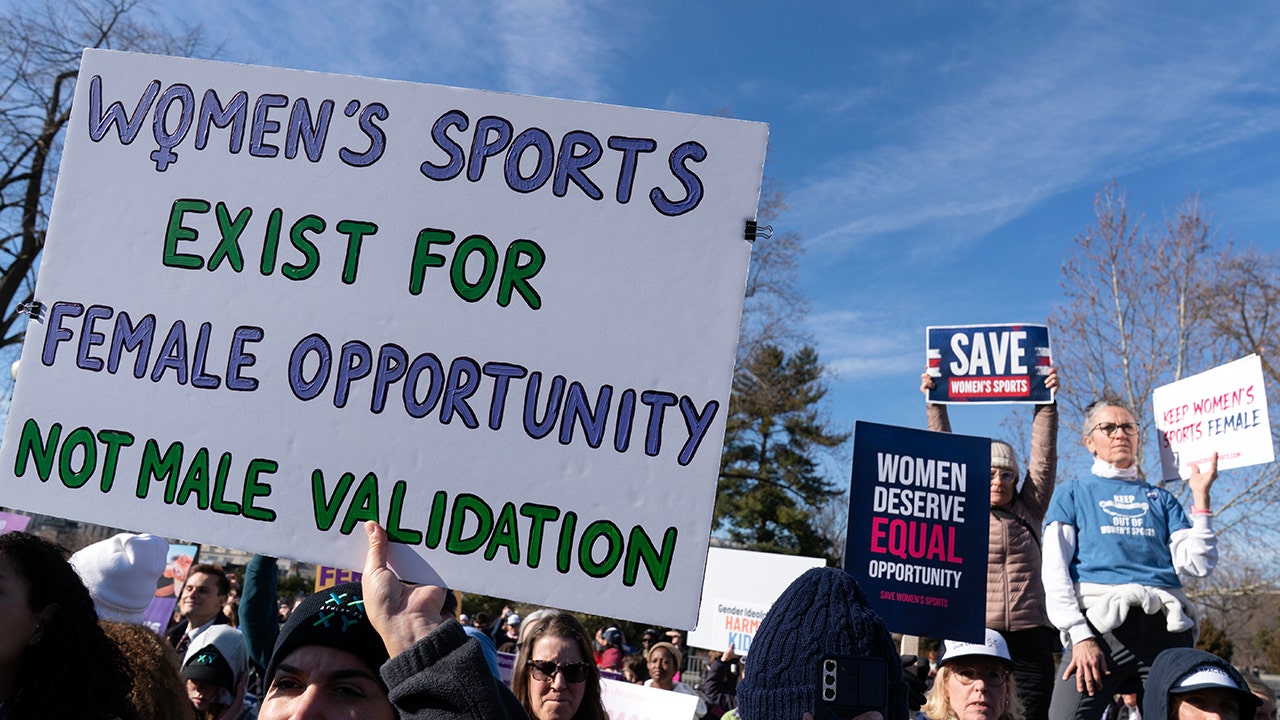
These rulings reinforce common-sense policies that separate intimate spaces and athletic competition by biological sex. Courts have started to accept that privacy and fairness in bathrooms, locker rooms, and sports are legitimate state interests. The Ninth Circuit reached a similar conclusion about Idaho’s law requiring students to use facilities consistent with biological sex, showing this reasoning crosses ideological lines.
PARENTS, NOT BUREAUCRATS, RAISE AMERICA’S CHILDREN AND THE SUPREME COURT AGREES
Practical consequences follow. Schools that have told girls to cope by finding private alternatives instead of protecting their privacy are on shaky legal ground. Families no longer have to accept policies that place the burden on the vulnerable students who want separation and safety. The legal environment is now more favorable to parents demanding accountability from school boards.
WATCHDOG CLAIMS PROOF OF ‘HARM’ NONEXISTENT IN SUIT AGAINST TRUMP’S BAN ON TRANS SURGERIES FOR MINORS
Federal enforcement has begun to push back against districts that ignore Title IX and equal protection principles, but enforcement alone is not enough. The Biden-era executive branch took action in some districts, and conservative administrations have likewise used enforcement tools to protect student privacy. Ultimately, the most durable change will come when parents and communities use legal remedies and local pressure to reset school policy expectations.
SCHOOL BOARD SETTLES WITH BOYS ACCUSED OF SEXUAL HARASSMENT OVER TRANSGENDER STUDENT LOCKER ROOM INCIDENT
There is a growing window for states to pass laws that protect women and girls in sports and private spaces without constant fear of losing in court. West Virginia v. BPJ will likely test whether separating sports teams by sex violates federal law, and the trend in lower courts suggests states will have room to legislate. If the Supreme Court signals support for sex-based distinctions in athletics, lawmakers will have the clarity needed to act confidently.
Courts are not the only answer. Parents and students must be proactive in challenging school policies that compromise privacy and safety, bringing litigation where necessary and pushing for commonsense local rules. The constitutional rights of parents and children remain intact when they walk through school doors, and now is the time to enforce them through the courts, school boards, and civic engagement.
