
Supreme Court justices are weighing a climate lawsuit that could ripple far beyond Colorado, and the early signals point to a fight over jurisdiction as much as the substance of the case. The dispute has already pulled in fears of a national wave of lawsuits against oil companies, while supporters argue that communities hit by climate damage deserve a real shot in court.
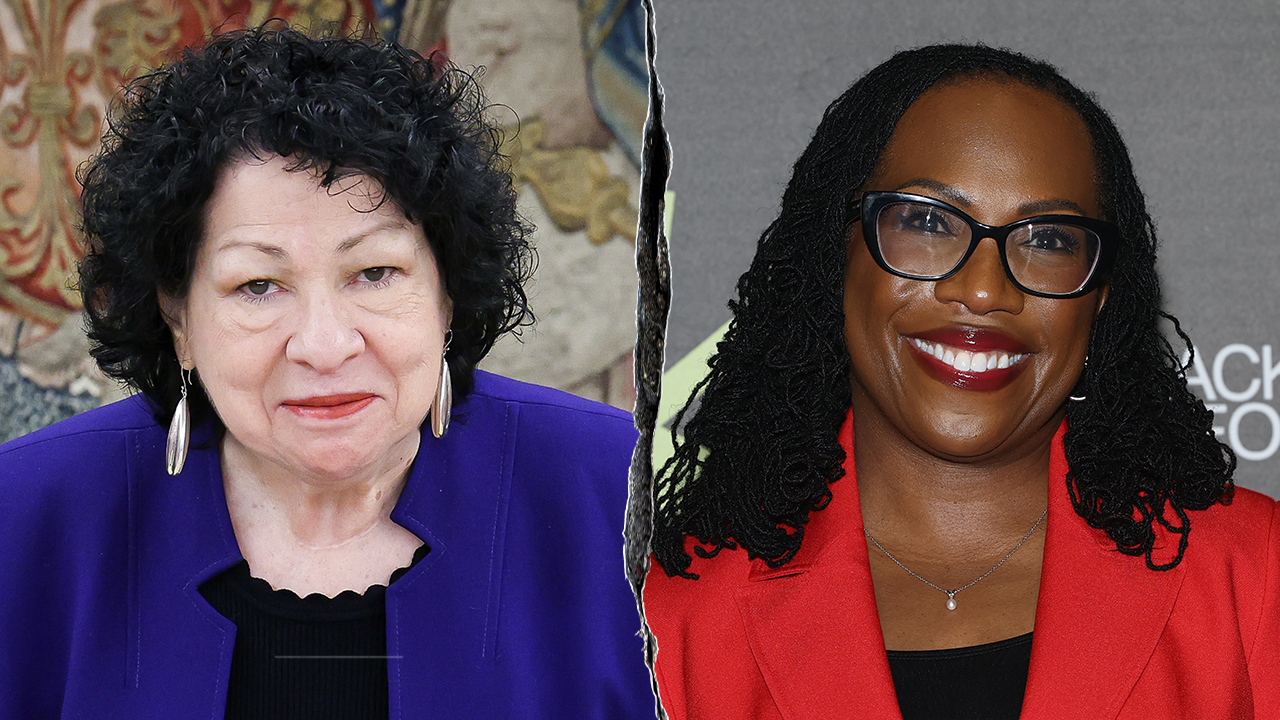
During oral arguments in Suncor v. Boulder, Justices Ketanji Brown Jackson and Sonia Sotomayor repeatedly pressed attorneys on whether the high court should step in now or wait until the Colorado courts finish their work. That line of questioning made some conservative observers think the liberal bloc was searching for a way out before the court reaches the bigger question about state power versus federal authority.
The case sits in a strange procedural spot, which gives the justices room to dodge the larger conflict if they want to. At the center is a basic but explosive issue: can Boulder use state tort law to recover damages tied to greenhouse gas emissions that happened far beyond Colorado, or does federal law control the whole field?
Jackson suggested the dispute might be too early for the Supreme Court, saying the justices did not have enough of the record in front of them to move ahead confidently. Sotomayor pushed a similar angle, asking whether the court should even be deciding the issue before the Colorado Supreme Court has finished sorting out the facts and the legal theory.
That emphasis on timing frustrated the state-side critics of the lawsuit, who see the case as a direct attack on the constitutional balance between state courts and national policy. They argue that if Boulder gets a green light, other cities and states could use the same tactic to haul energy companies into court over emissions that cross borders and span decades.
Alabama Attorney General Steve Marshall said the danger is not limited to one courtroom in one state. In his view, the lawsuits amount to a backdoor attempt to impose a nationwide carbon tax through litigation, pushing costs onto businesses, workers, and consumers well outside Colorado.
Utah Attorney General Derek Brown made a similar point, saying the fight is really about who gets to set energy policy in the first place. He argued that the court is being asked to decide matters that belong in Congress, not in a patchwork of state lawsuits that could reach conduct happening anywhere in the world.
The plaintiffs say the issue is far more grounded than that. Boulder and its allies claim ExxonMobil and Suncor knew for years about the climate risks tied to fossil fuels but misled the public anyway, leaving local governments and taxpayers to deal with the fallout.
Those costs are not abstract in their telling. The city says it could spend more than $100 million on climate-related damage like wildfires, drought, and infrastructure repairs, and supporters of the suit insist that courts are a fair place to test whether the companies should be held accountable.
Former Washington Gov. Jay Inslee defended that view, arguing that communities already feel the pain from climate disasters and should not be shut out of court before the evidence is heard. He pointed to families who have lost homes and towns that have been battered by fire, saying those people deserve a chance to make their case.
The argument is likely to keep drawing attention because the stakes are so wide. If the justices decide the case on jurisdiction alone, the broader fight over how far states can go with climate tort claims may stay unresolved, leaving oil companies, local governments, and federal policymakers stuck in the same uneasy standoff.
Even the justices’ questions hinted at how much larger this could become. Chief Justice John Roberts raised concerns about whether a Boulder victory could trigger copycat suits, and Suncor’s lawyers warned that a ruling without clear limits could invite a flood of claims from governments and private plaintiffs alike.
That prospect is what has turned this case into more than a local dispute. It has become a test of how far courts can go before they start shaping national energy policy from the bench, and whether the Supreme Court wants to be the place where that fight finally gets answered.
