
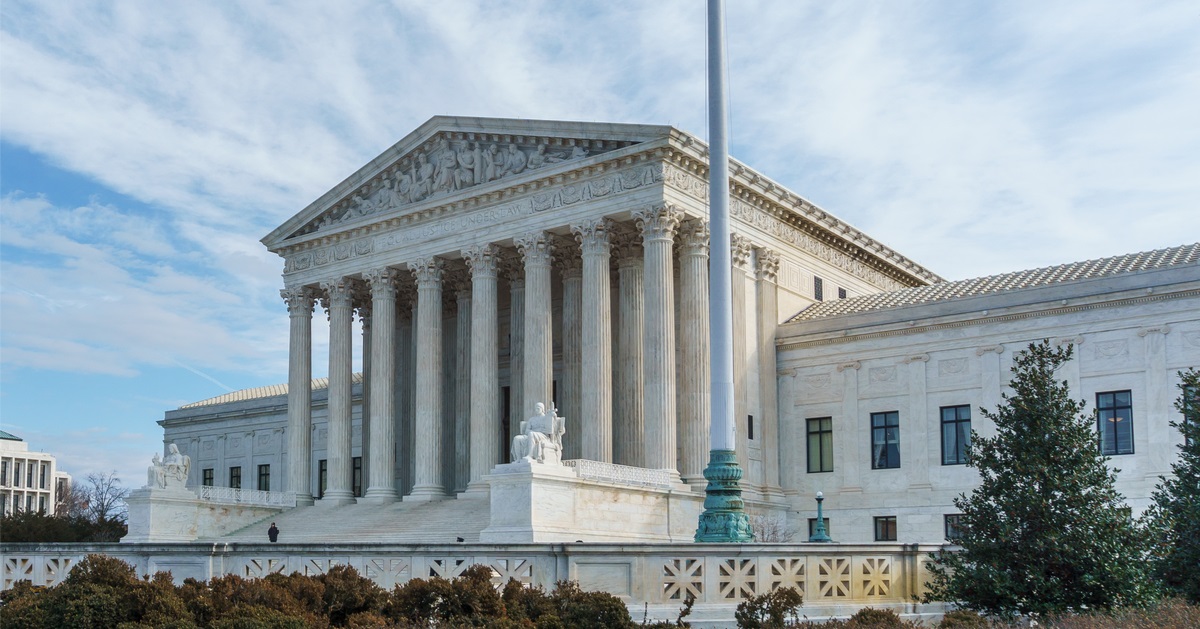
In March, a federal judge appointed by President Obama ordered the release of records from the Department of Government Efficiency (DOGE). This decision, however, has faced an unexpected obstacle as Supreme Court Chief Justice John Roberts intervened to block the release. The reason? Concerns about DOGE’s “unusual secrecy” and “unprecedented” authority, as described by U.S. District Judge Christopher Cooper in his ruling.
Cooper’s 37-page decision highlights the opaque nature of DOGE, formerly known as the U.S. Digital Service (USDS). “The authority exercised by USDS across the federal government and the dramatic cuts it has apparently made with no congressional input appear to be unprecedented,” he wrote. This secrecy, Cooper argues, demands transparency about DOGE’s operations and structure.
The Department of Government Efficiency, according to the government, functions as a “presidential advisory body.” This classification, argued by U.S. Solicitor General D. John Sauer, places DOGE within the Executive Office of the President. Hence, it should not be subject to the same transparency laws as federal agencies.
In contrast, the watchdog group Citizens for Responsibility and Ethics in Washington (CREW) contends that DOGE is indeed a federal agency. As such, they argue, it should comply with the Freedom of Information Act (FOIA). The legal battle is centered on whether DOGE’s actions warrant its classification as a federal agency.
Judge Cooper’s skepticism about DOGE’s advisory role stems from its broad activities. These have extended far beyond mere advice, suggesting more significant operational power. Sauer, however, insists that ordering DOGE to release information presumes it to be a FOIA-subject agency, a point not yet legally settled.
The solicitor general expressed concern that Cooper’s order effectively grants a premature victory to CREW. “That order turns FOIA on its head,” Sauer argued, suggesting that it pre-empts the outcome of the legal question at hand. The stay issued by Chief Justice Roberts temporarily halts the order while the matter is further explored.
This case underscores the ongoing debate about the limits of executive power and transparency. Conservatives may see this as a critical moment to ensure that government entities remain within their proper boundaries. Meanwhile, the legal wrangling continues to unfold, with both sides presenting their arguments forcefully.
Supporters of robust executive authority might argue that the President needs such bodies to operate efficiently without undue interference. However, the demand for transparency remains a significant public concern. Whether DOGE will eventually be required to release its records is a question that remains unanswered.
The broader implications of this legal battle could reshape how similar entities are viewed in the future. For now, the focus remains on the immediate question of DOGE’s classification. With the Supreme Court’s involvement, the outcome holds considerable weight for both the executive branch and transparency advocates.
As the legal process continues, the attention remains on Chief Justice Roberts’ decision to stay the lower court’s order. This intervention has temporarily shielded DOGE from releasing its records. However, the ultimate resolution will depend on further judicial review.
For those watching closely, this case serves as a reminder of the delicate balance between transparency and executive privilege. The government’s position as a “presidential advisory body” is scrutinized against the need for public access to information. The tension between these two principles is at the heart of this dispute.
In the coming months, the legal proceedings will undoubtedly attract more attention. Both the government and transparency advocates will be closely watching the developments. The stakes are high, with potential ramifications for how government bodies operate in secrecy or transparency.
For now, the legal battle continues, with no immediate end in sight. The implications for executive power and public transparency remain significant. As the case progresses, it will serve as a critical test of these foundational principles.
The resolution of DOGE’s status will likely have lasting impacts on how similar entities are treated in the future. The ongoing debate highlights the importance of clear definitions and accountability within government operations. As the judicial process unfolds, all eyes are on the potential outcomes and their broader implications.
