
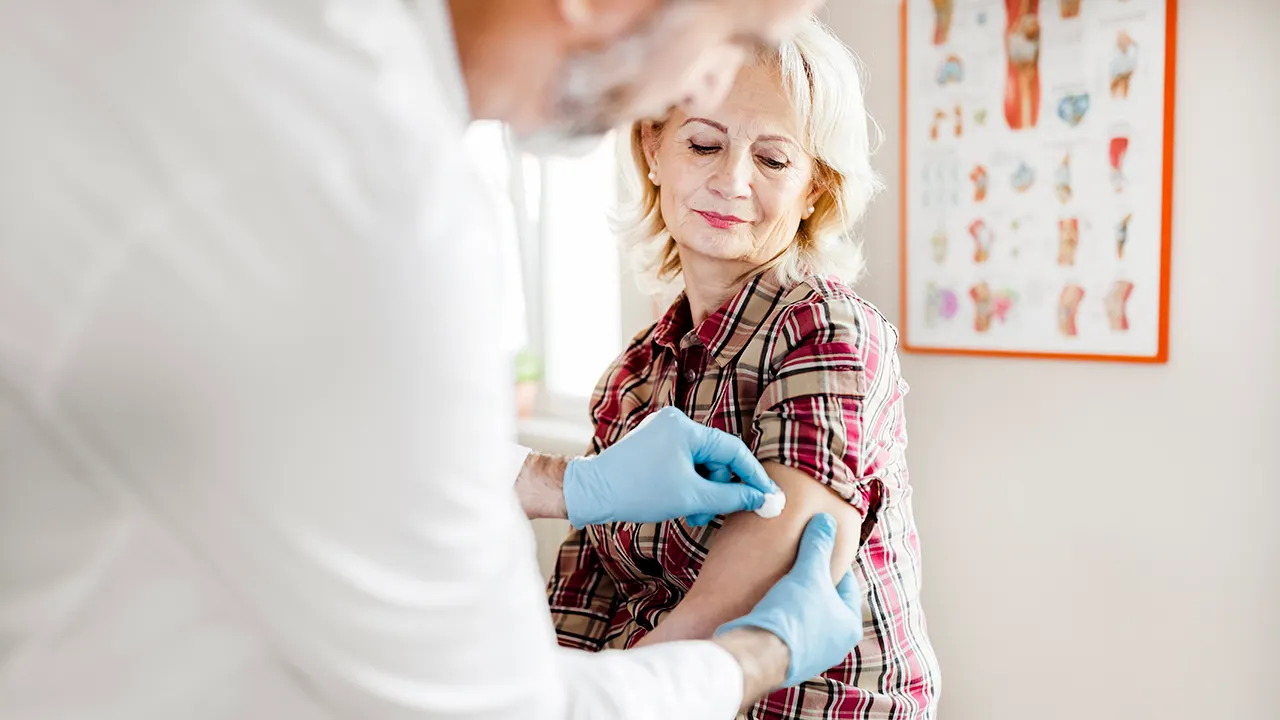
Recent research has brought to light a fascinating connection between the shingles vaccine, known as the zoster vaccine, and a reduced risk of developing dementia. A study by Stanford Medicine, published in Nature, found a significant 20% reduction in the likelihood of being diagnosed with dementia over seven years for those who received the vaccine. The researchers pointed out that if this link is truly causal, the zoster vaccine could surpass current pharmaceutical options in both effectiveness and cost-efficiency for dementia prevention.
This study bolsters a growing theory that viruses affecting the nervous system might increase dementia risk. Dr. Pascal Geldsetzer, the study’s senior author, highlighted the importance of these findings for medical practice and public health. He emphasized the compelling evidence that suggests a cause-and-effect relationship between getting vaccinated for shingles and a lowered risk of dementia.
The study involved data from Wales, where the zoster vaccine was introduced in 2013, providing a unique opportunity to observe its effects. Dr. Geldsetzer explained to Fox News Digital that the vaccine rollout created a natural division between those who were eligible and those who were not, based on a specific birthday cutoff. This setup allowed for a clear comparison between vaccinated and unvaccinated groups.
Interestingly, the research noted that women appeared to benefit more from the vaccine than men when it came to reducing dementia risk. Dr. Geldsetzer remarked that similar protective effects have been observed in various countries that implemented the vaccine in a comparable manner. He is currently seeking funding to conduct a clinical trial to further investigate this potential link.
Dr. Mark Loafman, a family physician not involved in the study, commented on the findings, noting that while associations in studies can be intriguing, they don’t always prove causation. However, he commended the study for effectively ruling out other factors that might have influenced the results. He pointed out the study’s evidence supporting mechanisms by which the vaccine could lower dementia incidence.
One theory is related to the herpes virus, which causes both chickenpox and shingles, settling in the nervous system and potentially leading to shingles later. The shingles vaccine, a live-attenuated vaccine, might have neuroprotective qualities, according to the study. Dr. Loafman acknowledged that while the association alone doesn’t prove causation, this research significantly supports the connection.
Dr. Loafman, who has received the shingles vaccine himself, expressed that he feels even more encouraged to recommend it to his patients based on these findings. He plans to continue advocating for the vaccine among eligible individuals, given this promising research. The potential for the shingles vaccine to play a role in dementia prevention adds a new layer of importance to its use.
