
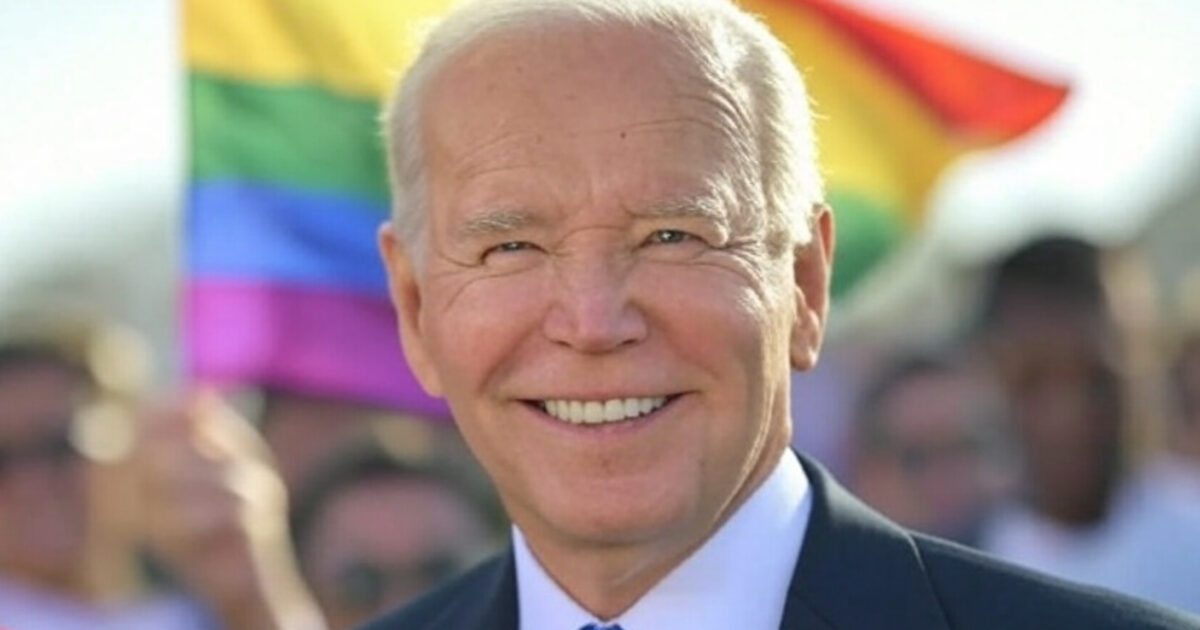
The Biden administration’s relentless push for Diversity, Equity, and Inclusion (DEI) has resulted in an unprecedented allocation of taxpayer dollars, with a recent watchdog report exposing over $1 trillion funneled into these ideological programs. Conducted by the Functional Government Initiative (FGI) and the Center for Renewing America (CRA), the study reveals how DEI has been deeply embedded into the fabric of federal agencies, diverting resources away from essential government functions and prioritizing radical social engineering over national security, economic stability, and public safety.
Biden’s Equity Action Plans (EAPs) have served as the blueprint for integrating DEI across 24 federal agencies, effectively institutionalizing race and identity politics within government operations. While framed as an effort to “dismantle barriers” for certain demographics, these initiatives have drained vital funding from key missions such as national defense, emergency preparedness, and infrastructure. DEI’s unchecked expansion has shifted the federal government’s focus from serving all Americans equally to engaging in discriminatory policies that prioritize identity politics over merit and competence.
The study identified at least 460 programs directly channeling funds into DEI efforts, underscoring the Biden administration’s fixation on social justice at the expense of traditional governance. The scale of these initiatives suggests a deliberate effort to restructure federal priorities around leftist ideology rather than efficiency, effectiveness, or the will of the American people. Critics argue that this ideological hijacking of federal agencies has directly contributed to the erosion of institutional integrity, weakening national preparedness, and misallocating taxpayer dollars that should have been used to address real crises such as inflation, crime, and the border crisis.
In one glaring example of DEI’s overreach, the Department of Defense redirected resources to “integrate environmental/economic justice tools,” signaling a disturbing shift from its primary mission of national security to progressive activism. Similarly, FEMA declared its intent to “install equity as a foundation of emergency management,” raising concerns about whether disaster response efforts will now be dictated by racial and identity-based considerations rather than objective need.
The Department of Labor has also embraced DEI at the expense of its core responsibilities, focusing on embedding “equity” in the workforce instead of promoting job growth and economic competitiveness. These policies, which emphasize hiring based on race, gender, and identity rather than qualifications, threaten to undermine the quality and efficiency of the American workforce. The federal government, once an institution that valued competence and effectiveness, is now prioritizing racial quotas and ideological conformity over merit and ability.
Opponents of DEI spending argue that this radical agenda fosters division rather than unity, promoting discriminatory practices that penalize qualified individuals in favor of identity-based preferences. Rather than creating equal opportunities, DEI has become a vehicle for reverse discrimination, pushing policies that marginalize certain groups in the name of “equity.” The race-based redistribution of government resources fundamentally contradicts the principle of equal treatment under the law, replacing it with a system of forced favoritism that breeds resentment and weakens national cohesion.
The Trump administration recognized the dangers of DEI-driven governance and took decisive steps to dismantle these programs through executive orders, banning critical race theory (CRT) in federal agencies and halting race-based training programs. Trump’s crackdown on DEI served as a blueprint for future administrations, offering a clear path toward restoring fairness and neutrality in government operations. However, under Biden, DEI initiatives have not only returned but have been dramatically expanded, with the federal government now serving as a primary driver of leftist social engineering.
To prevent DEI from further eroding government efficiency, conservative lawmakers are pushing for legislative action to defund and eliminate these initiatives permanently. Proposed measures would restrict federal agencies from using taxpayer money to implement race-based hiring, training, and policy directives, ensuring that government programs serve all Americans rather than pandering to ideological activists.
Beyond government agencies, the Biden administration has aggressively pushed DEI into the corporate and educational sectors, pressuring businesses and schools to adopt similar identity-based policies. However, a growing backlash against these initiatives is forcing corporations to reconsider their DEI commitments. Major companies such as Amazon, Walmart, McDonald’s, Meta, Google, BlackRock, and Target have begun scaling back or outright dismantling their DEI programs in response to public pushback and legal challenges. The corporate retreat from DEI reflects a broader realization that these policies do little to improve business outcomes and often foster workplace resentment, inefficiency, and legal liabilities.
Education has also been a major battleground for the DEI agenda. The Biden administration’s Department of Education has threatened federally funded schools with funding cuts if they fail to implement DEI programs, effectively holding institutions hostage to advance leftist ideology. However, the Supreme Court’s recent ruling against race-based discrimination in college admissions has delivered a significant blow to the legal foundations of DEI, calling into question the legitimacy of these policies across both academia and the workplace.
Trump’s Department of Education previously ordered schools to eliminate DEI programs within 14 days, reflecting a commitment to restoring education based on academic excellence rather than ideological indoctrination. While this order was reversed under Biden, it set a precedent for future conservative administrations to reclaim education from political activists and refocus it on preparing students for real-world success rather than grievance-based activism.
Critics of DEI argue that these initiatives are nothing more than a taxpayer-funded scheme to entrench leftist ideology in every aspect of society. Rather than fostering genuine inclusivity, DEI has become a tool for imposing radical social policies, dividing Americans along racial and ideological lines, and enforcing political conformity through intimidation and financial coercion.
As the political battle over DEI intensifies, the FGI and CRA report serves as a critical wake-up call to the dangers of unchecked government spending on ideological programs. It highlights the urgent need for policymakers to defund these initiatives and restore government priorities to serving the American people rather than ideological special interests.
The debate over DEI is a microcosm of the broader ideological struggle for the future of America. Will the country continue down a path of racial and gender-based division, or will it return to a foundation of merit, fairness, and equal opportunity for all? With public opinion shifting against DEI and the legal framework supporting these policies beginning to crumble, the momentum is building for a full-scale dismantling of this radical agenda.
The fight to eliminate DEI from government, education, and corporate America is far from over, but the cracks in its foundation are beginning to show. With continued pressure from lawmakers, legal challenges, and public pushback, the days of taxpayer-funded DEI indoctrination may finally be numbered. A return to policies that prioritize merit and fairness over ideological dogma is not just necessary—it is inevitable.
