
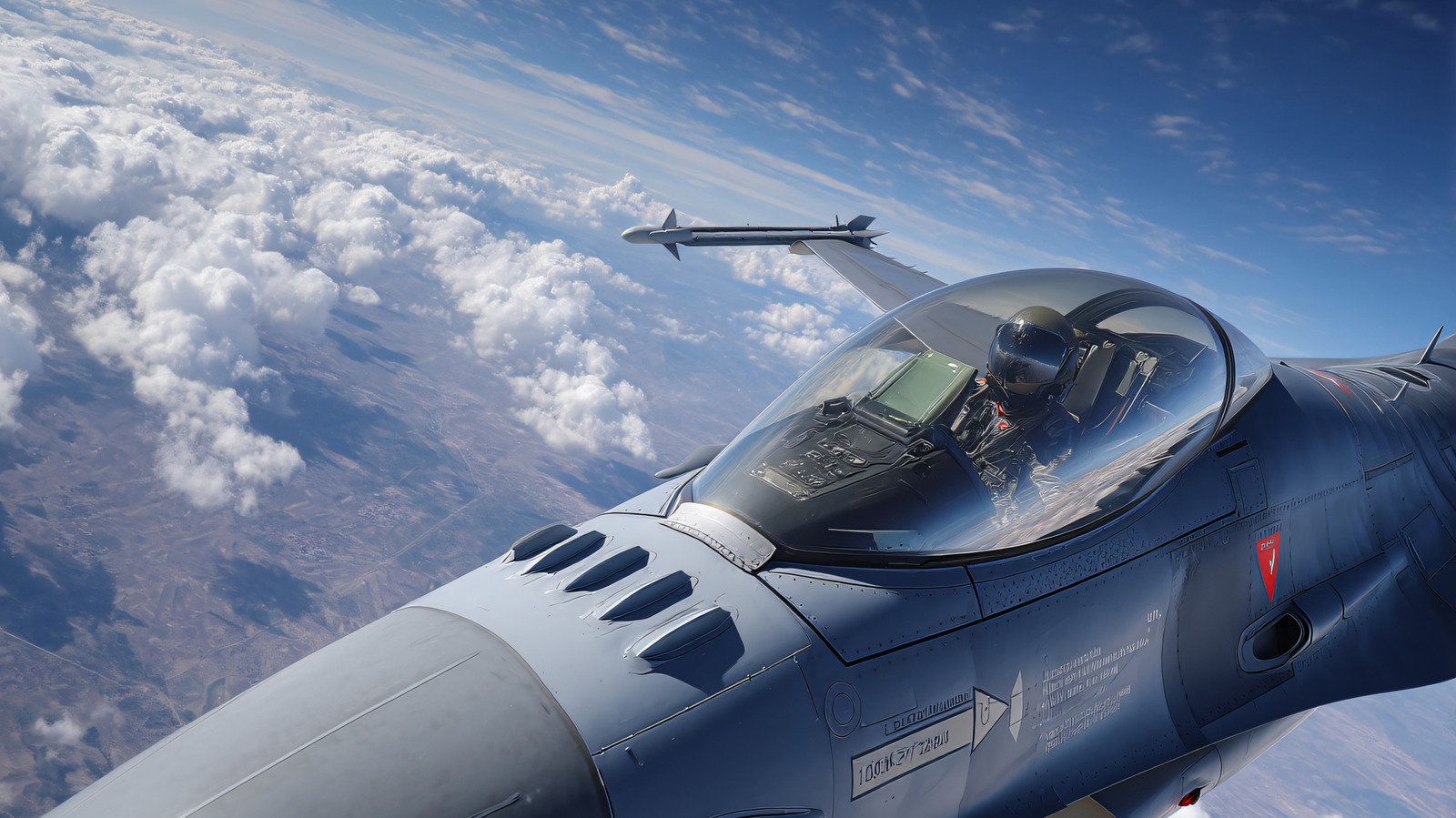
Military planes are built to be tough and keep crews safe, but combat zones throw real-world challenges at that engineering. When a pilot must eject behind enemy lines, training, gear, and quick thinking matter as much as the aircraft itself. This article walks through what happens from the moment an ejection decision is made to the first steps of survival and rescue.
Designers pack military aircraft with redundancies and escape systems because failure is not an option in war. Ejection seats are engineered to pull a pilot free in milliseconds, separate the canopy, and get a person clear of a stricken jet. Those mechanisms are miracles of timing, yet they come with violent forces that the body must endure.
Deciding to eject is never automatic; pilots weigh altitude, speed, and enemy presence in seconds. Low-altitude ejections can be fatal if timing is wrong, while high-altitude escapes introduce cold and thin air complications. That split-second calculus is one reason pilot training drills the decision process until it becomes reflexive under stress.
Once a pilot is free of the aircraft, the survival kit and parachute system start doing the heavy lifting. Modern parachutes deploy fast and include automatic features to stabilize descent, but pilots also rely on compact survival packs. Those packs contain radios, signaling devices, water, and basic medical supplies to bridge the gap between ejection and recovery.
Landing behind enemy lines turns survival into a strategic challenge where stealth and movement are critical. Pilots are trained in evasion routes, camouflage, and silent movement to avoid capture while they work to contact friendly forces. Every decision—whether to hide in place, move at night, or seek local help—carries risk and depends on the situation on the ground.
>
While military aircraft are designed with safety in mind, they do have to operate in combat zones. In some cases, a pilot needs to eject behind enemy lines.
Search and rescue teams are a lifeline but also a tactical operation that must consider enemy air defenses and battlefield fluidity. Dedicated rescue helicopters and special forces coordinate using secure comms to pinpoint survivors without exposing more personnel to danger. The window for a safe recovery can be tight, and sometimes pilots must survive for hours or days before extraction is possible.
Technology keeps improving the odds in hostile territory, from satellite beacons to tiny drones that relay location signals. Bird-like drones and detection systems can scout extraction routes and warn rescuers of threats before they arrive. Still, tech is a tool, not a solution; training and human judgment determine how well it gets used in the chaos of conflict.
Physical and mental conditioning plays a huge role in post-ejection survival, and militaries invest heavily in both. Pilots practice land navigation, first aid, and resistance to interrogation, and they rehearse making hard choices under duress. That mental toughness often decides whether a downed aviator stays alive and out of enemy hands until rescuers can reach them.
History is full of survival stories that highlight a mix of preparation, improvisation, and sheer grit after ejection. Some pilots have spent days blending into hostile areas, using local terrain and weather to their advantage while avoiding patrols. Others were saved by quick-thinking wingmen who coordinated improvised rescues despite danger.
Every successful recovery reminds commanders and engineers why investing in escape systems, training, and rescue capabilities matters. The aircraft might be the centerpiece of an operation, but the pilot and their ability to survive and return are equally crucial. Those realities keep innovation and training sharp, because in combat, second chances are earned, not expected.
