
Changing your car’s oil can be a messy chore, but with the right tools, a few smart habits, and quick cleanup moves you can avoid stains, protect your garage floor, and keep your clothes salvageable. This article walks through practical products and simple techniques that reduce spills, manage waste, and make the whole job less of a headache. The tips are straightforward and geared toward anyone who wants a cleaner, quicker oil change without costly floor repairs or ruined work clothes.
Oil changes often look worse than they are because a few small slips lead to big stains on concrete and fabric. Fresh oil soaks into porous garage floors fast and clings to denim and cotton, so treating the situation proactively matters. Knowing which products to use and where to place them cuts the risk right away and keeps cleanup to a minimum.
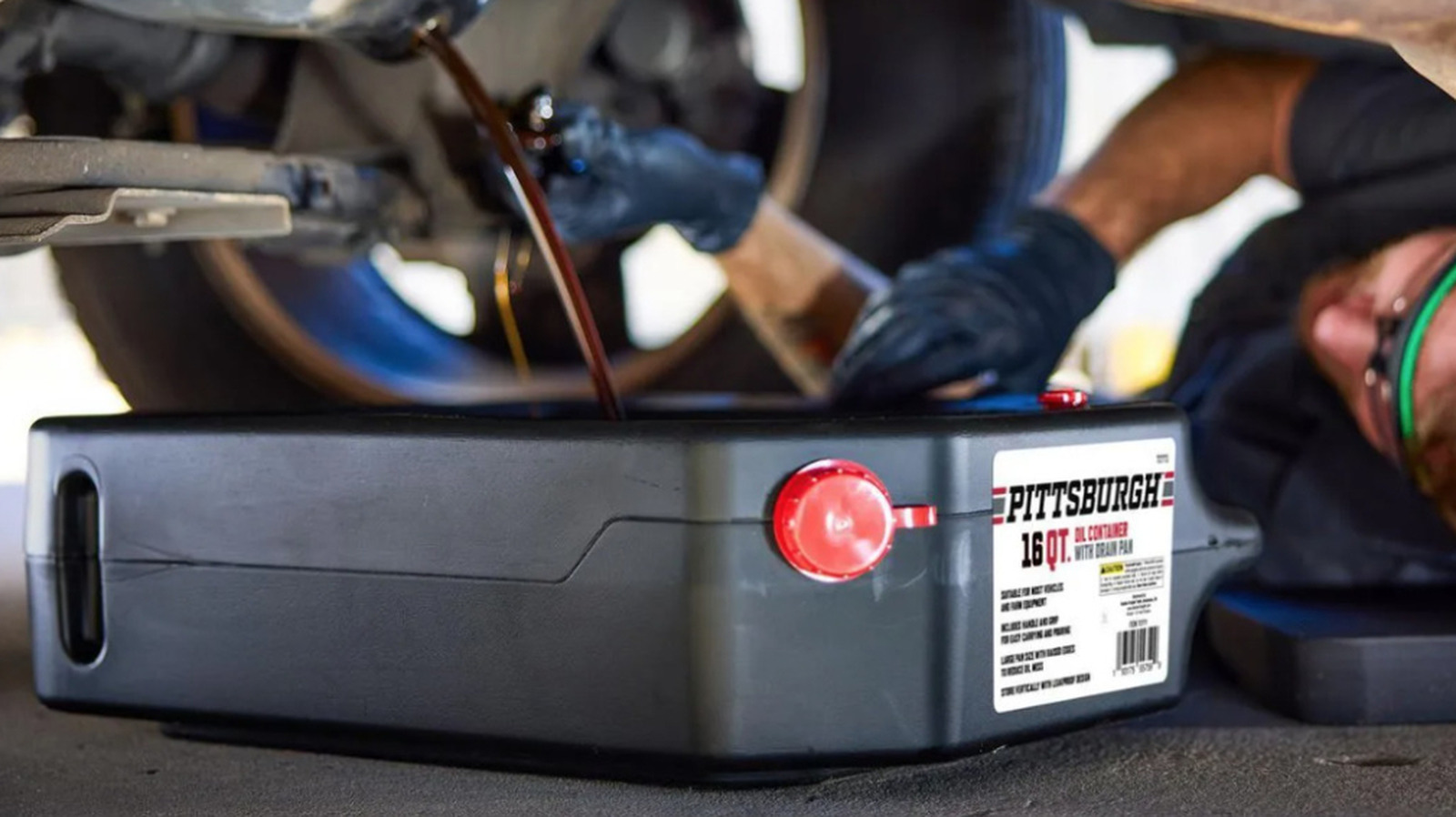
A good oil drain pan and a rigid funnel are basic but powerful allies, letting you direct the flow instead of hoping for the best. Absorbent pads or disposable catch mats placed beneath the drain area catch splashes and drips before they reach the floor. Compact spill containment trays are excellent when space is tight; they fit under jacks and give a controlled area for any overflow.
Protective wear is underrated and cheap insurance against ruined clothes and skin contact. Nitrile gloves stop slick oil from getting under fingernails and on knuckles, while a pair of old overalls or a dedicated shop apron keeps your clothing safe. Sturdy shoes with a bit of tread help you maintain balance if a slick spot appears, and a roll of paper towels or microfiber cloths works better than loose rags at containing mess.
Technique matters as much as gear. Warm the engine briefly to thin the oil so it pours steadily, and position the drain pan well out from underneath before removing the plug. Loosen the drain plug slowly so you can control the initial surge and reposition the pan if needed, and use a spout or flexible funnel when refilling to avoid spills at the filler neck. Working methodically, not hurriedly, will save time spent scrubbing later.
Used oil and its containers need careful handling to protect the environment and avoid fines. Store drained oil in a sealable, clearly labeled container and do not mix it with other fluids. Most auto parts stores and many municipal recycling centers accept used motor oil and even used filters, so plan a short trip after your change instead of tossing them in the trash where they can leak and contaminate soil and waterways.
When a spill does happen, prompt action makes it less permanent. For fresh oil, blot excess with paper towels then apply cat litter or an absorbent pad to lift what remains before sweeping it up. For older or set-in stains use a strong degreasing cleaner or a paste of powdered detergent and warm water, scrub with a stiff brush, and rinse; for concrete you can repeat the process or use a commercial concrete degreaser if the first pass doesn’t do the job. Avoid harsh solvents on clothing; treat garments with dish soap or a heavy-duty laundry stain remover before washing separately.
Putting together a compact oil-change kit pays off: a good drain pan, a wide funnel, a couple of absorbent pads, nitrile gloves, and a sealable container for used oil create a repeatable routine that limits mess and saves time. A little preparation and the right cleanup supplies mean fewer stains, less stress, and more control over the job, whether you do your own maintenance or help a friend. Keep safety in mind, respect local disposal rules, and your garage will stay cleaner and more useful after every oil change.
