
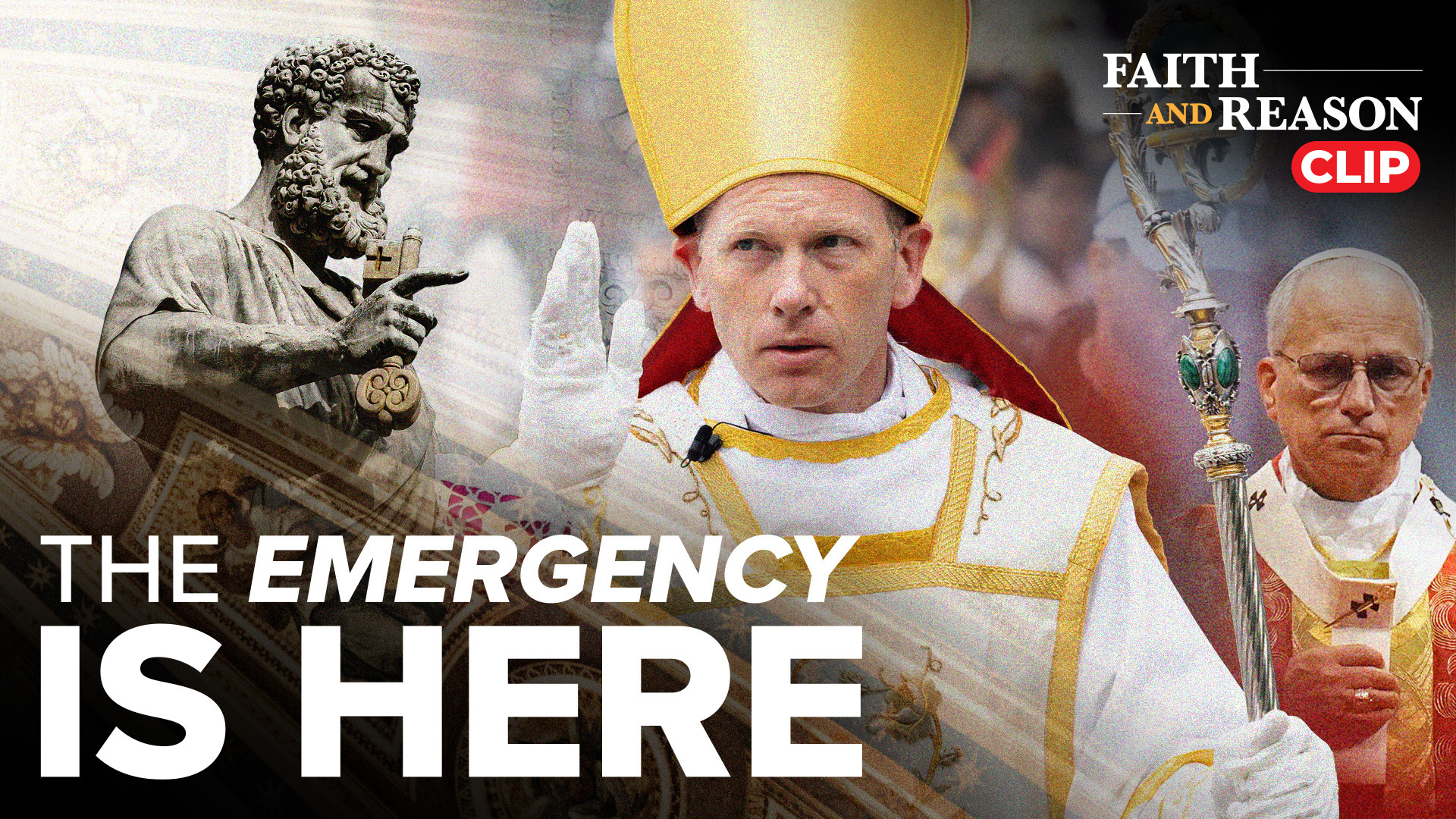
The article captures a dramatic gathering at Écône where traditional Catholic ritual, thousands of devoted faithful, and a choir of priests converged under gray skies, sparking a sharp dispute with Rome after excommunications were announced. Voices on the ground described the scene as unmistakably Catholic and declared the situation an urgent moment for the Church. Observers and participants reflected on why a visible crisis provokes such divergent reactions from clergy and authority. The piece focuses on the SSPX consecrations, the reaction from the Vatican, and the debate over what the moment reveals about the Church.
Rain did not dampen the spectacle at Écône. Hundreds of priests processed, bells tolled, and music rose in a liturgical swell that filled the grounds. Thousands knelt in the downpour, creating an image that many eyewitnesses said could not be mistaken for anything else but a profound act of worship.
The Vatican responded with excommunications, a blunt instrument that added a sharp edge to an already tense moment. That official step transformed a local celebration into a headline-making confrontation, exposing how rites and authority collide when institutional boundaries are tested. For many on the scene, the penalty felt like a dissonant note against the obvious devotion being displayed.
Voices from the gathering did not mince words about what they saw. Father Charles Murr, speaking in the company of others who attended, insisted the event was unmistakably Catholic. “There’s no way you can come here,” Murr says, “be around these priests and these faithful, and say this is not Catholic.” Those words echoed through conversations among clergy and laity who felt the moment validated a traditional identity they hold dear.
Bishop Schneider’s presence added another layer to the account. Observers say he arrived, evaluated the circumstances, and declared the situation worthy of urgent measures, calling it a state of emergency for the Church. His assessment carried weight with those who worry institutional leadership is failing to recognize the depth of the crisis.
The scene at Écône prompted more than theological hair-splitting; it raised hard questions about perception and denial. To many participants the evidence was right in front of them — reverent worship, sacramental life, clergy united in purpose — yet critics in Rome framed the same events in legal and disciplinary terms. That difference in framing has widened the gap between those who see a spiritual revival and those who see a breach of order.
Attendees described an atmosphere thick with conviction rather than defiance. Candles, chants, and the steady rhythm of ritual made the moment feel like a continuation of centuries of Catholic practice. The human element was unmistakable: families, older faithful, and young seminarians standing together in solidarity, lending the day a sense of communal affirmation that was hard to dismiss.
The clash is not only about ceremonies and canon law, but about how authority and authenticity are recognized. For people on the ground, liturgical beauty and pastoral fidelity were proof enough that something crucial was alive. For those in Rome, the same display raised questions about obedience and the unity of the Church’s public witness.
Discussion onlookers had in common a sense that extraordinary circumstances require extraordinary clarity. Some argued that ritual cannot be reduced to optics or politics, while others insisted institutional unity must be preserved at all costs. The tension between these priorities made Écône a flashpoint where deep disagreements about the Church’s direction became visible to anyone paying attention.
Tensions in moments like these tend to linger beyond the day itself, shaping how clergy and faithful relate to one another going forward. Écône was not just a liturgical event; it was a public test of conviction and of institutional boundaries. How the Church handles such moments will matter to both those who call for strict discipline and those who see urgent spiritual renewal unfolding in plain sight.
