
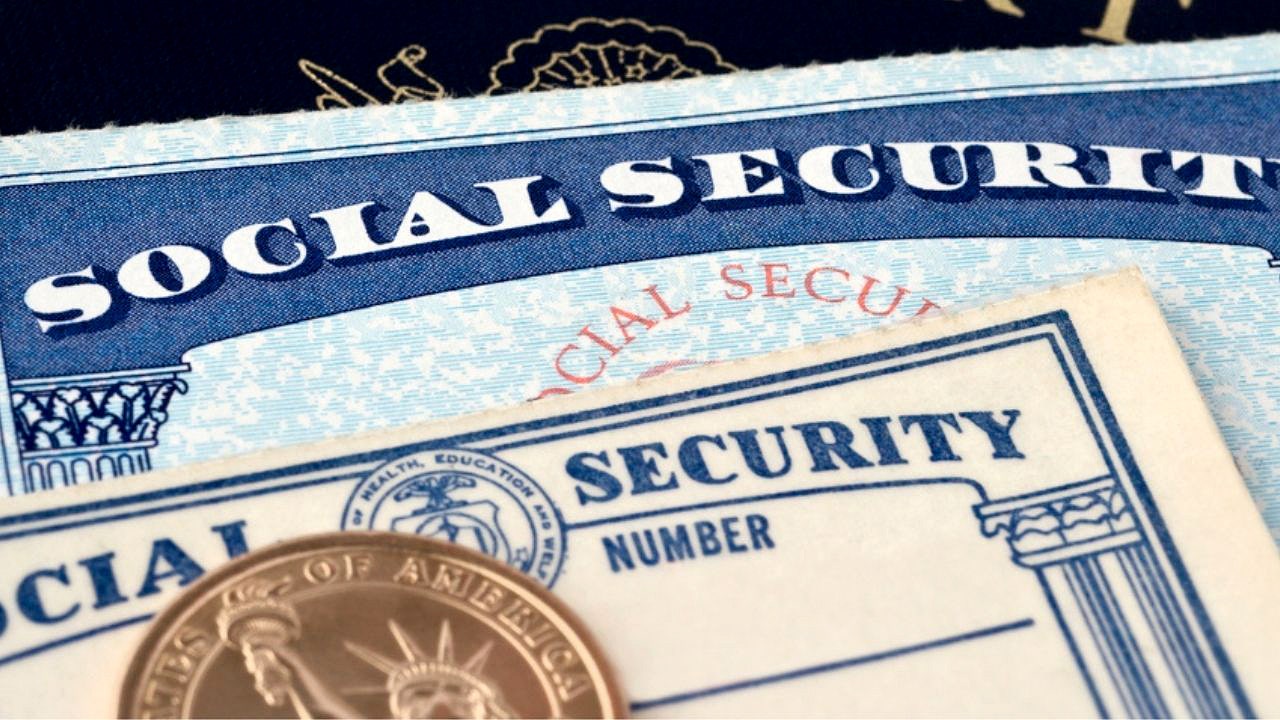
The Social Security Administration and its inspector general have been raising alarms about a steady wave of impersonation scams targeting Social Security accounts and numbers, with federal reports showing hundreds of thousands of government-impersonation complaints and big financial losses. Scammers are getting smarter, using bits of real data to make fake messages feel official and push people into giving up sensitive details. This article walks through how those schemes work, what the agency will and will not do, and practical next steps to protect yourself.
Government impersonation fraud has spiked in recent years, and consumer reports show the problem is widespread and costly. Scammers often pose as Social Security representatives and frame messages around supposed problems with a Social Security number or account. The result is a steady stream of people being duped into handing over data or money.
These fraudulent messages are convincing because they use familiar details like your name, part of your Social Security number, or references to benefits. Caller ID spoofing and legitimate-looking email formats make a contact seem real, so people lower their guard. When an alert lines up with what you expect to see from official correspondence, the request for more information suddenly seems reasonable.
Much of the data scammers rely on comes from past data breaches and leaks that have already exposed personal records. Once parts of your identity are floating around online, fraudsters can stitch that information together into a message that appears consistent with your own paperwork. That sense of familiarity is a powerful tool in their hands.
There have been reported scams that mimic official Social Security email notices and ask recipients to download a statement or click a link to view account details. Those links send people to fake sites that harvest login info or install malware on phones and computers. If you follow those instructions, your device and your identity become vulnerable very quickly.
The scam path typically follows a pattern: build trust, create urgency, then request data. Scammers will ask for Social Security numbers, dates of birth, bank details, or login credentials under the pretense of verifying identity or fixing an account. After those details are handed over, they move fast to convert data into access, cash, or long-term identity misuse.
Basic pieces of information like SSN, birth date, and address are often enough to pass simple verification systems and let fraudsters impersonate you. That can lead to new credit accounts, hard inquiries on your credit report, or unauthorized charges that show up later. If they obtain login info or verification codes, attackers can also take over existing accounts and lock you out.
Scammers can also try to alter Social Security-related records, including changing direct deposit details so payments get rerouted. They may combine stolen facts with made-up information to manufacture additional identities over time. That layered approach can cause damage that is hard to unwind without swift detection and action.
The Social Security Administration will not contact you out of the blue to request personal information, and it will not demand payment to resolve issues tied to your SSN or benefits. The agency does not ask for full Social Security numbers, bank account details, or login credentials over phone calls, text messages, or email. Official notices are typically sent by mail or appear in your My Social Security account, and emails from the agency will direct you to log in through SSA.gov instead of asking you to click attachments or unknown links.
If you receive a message claiming to be from Social Security, do not reply, do not click any links, and do not call the number in the message. Monitoring services and credit alerts can help spot suspicious activity quickly by tracking new inquiries, accounts, or exposures in data leaks. Starting with a free identity breach scan is a good early step to see whether your information appears in known leaks and to decide on next steps.
Identity protection services can monitor credit reports across major bureaus, scan dark web marketplaces, and notify you about exposed personal data. They also provide fraud resolution support, from contacting creditors to placing fraud alerts and disputing unauthorized accounts, and some plans include identity theft insurance for eligible recovery costs. No service prevents every attack, but early alerts and guided help can significantly shorten the time fraud goes undetected.
If you want to protect yourself now, slow down and verify every unexpected request through official channels before acting. If a message pressures you to act immediately, treat that as a warning sign and pause to confirm independently. Have you ever received a message that looked like it came from Social Security, and what made you trust it or question it? Tell us what happened by writing to Cyberguy.com.
