
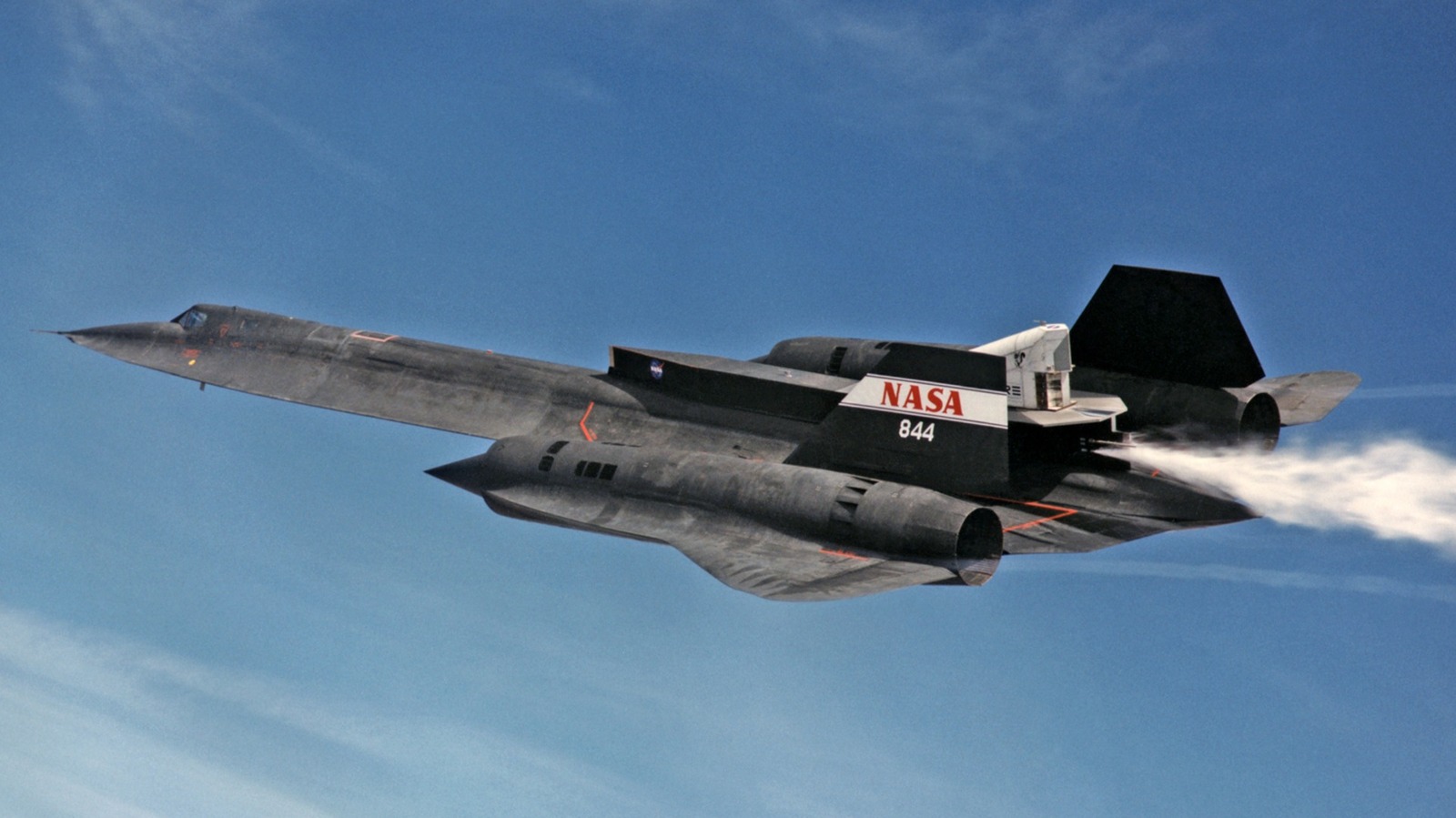
The SR-71 Blackbird is a legend of speed and secrecy, and this article digs into a curious chapter: how a Blackbird might have landed in NASA’s hands earlier than scheduled. We look at the historical context, possible reasons for an early transfer, what NASA did with Blackbird airframes once they got them, and why this small bureaucratic wrinkle still matters to engineers and historians.
The Blackbird was born in a race to outfly threats rather than outgun them, a design that prioritized altitude and speed over everything else. Lockheed’s Skunk Works pushed boundaries of materials, shaping, and engine technology to let a piloted aircraft operate at Mach 3 plus and above 80,000 feet. That extreme envelope made the plane valuable not just to the Air Force but to scientists who wanted to study high-speed flight and the behavior of materials and sensors under brutal heat and stress.
Claims that NASA received one earlier than planned center on the idea that a single bureaucratic slip or technical urgency sped up the handoff. Some accounts suggest schedules shifted because research teams needed flight data sooner, or because maintenance and testing realities made the transfer the practical choice. Whatever the precise cause, the rumor fits a broader pattern from the Cold War era: when something mattered for national security or science, normal timetables bent under pressure.
There are pragmatic reasons an early transfer would make sense. The Blackbird’s unique performance created tight windows for meaningful tests, and a delay of months or even weeks could wreck carefully timed experiments. Engineers chasing better thermal protection, instrument calibration, or airframe fatigue data would argue that hands-on access is worth rearranging paperwork. That kind of pressure often leads to fast decisions that look improvisational in hindsight.
When NASA did operate Blackbirds, it used them for practical, high-value work rather than publicity stunts. The aircraft served as flying testbeds for sensors, cameras, and material science experiments that needed a steady, clean high-altitude platform. The value was not just raw speed but the predictable environment those speeds produced: skin temperatures, pressure gradients, and airflow regimes that no other aircraft regularly reproduced.
Interagency transfers like this one, whether early or on schedule, show how military innovation trickles into civil research. The Air Force developed the Blackbird to spy and survive in hostile airspace, but NASA’s interest was more about measurement and learning. That cross-pollination turned tactical hardware into a tool for broader technological progress, from better climate sensors to lessons in structural heating and resilience for future hypersonic designs.
Pilots and maintenance crews had to adapt when a plane moved from service to research duty. A Blackbird in military service is tuned for mission readiness and secrecy; in NASA hands it became an instrument platform that needed frequent configuration changes and clear data links to ground teams. That altered the tempo of work around the jet and put engineers in the cockpit loop in a way the Air Force’s operational model did not.
Beyond the nuts and bolts, the story of an early transfer—true or apocryphal—speaks to the era’s urgency and ambition. It is a reminder that innovation rarely follows a neat timetable and that bold hardware often forces institutions to improvise. The Blackbird’s mystique only deepens when you imagine it touching down at a research facility ahead of schedule, ready to reveal secrets about speed, heat, and the limits of piloted flight.
