
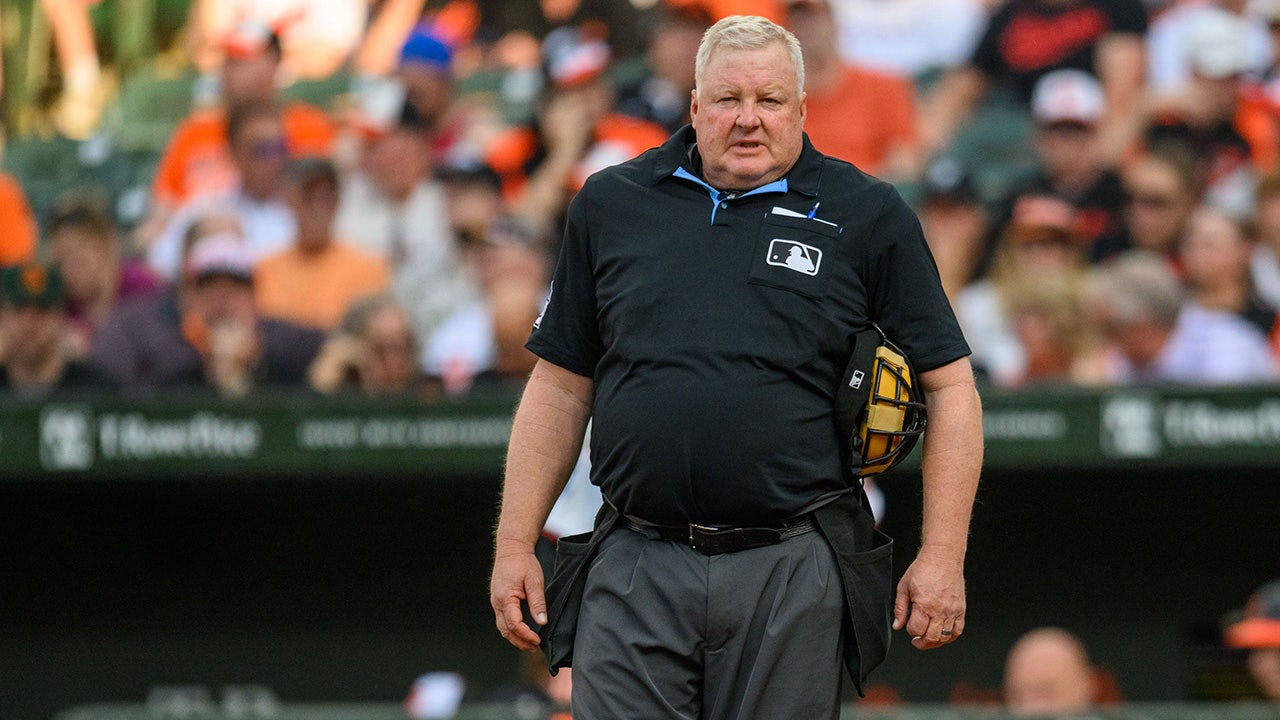
The Automated Ball-Strike System created a headline-grabbing spring training moment when umpire Bill Miller’s open mic caught him saying, “Please be a strike” during a challenge. This article explores that brief human slip, why it mattered to fans and players, and what it reveals about introducing tech into a centuries-old game. Expect a clear look at the reaction, the league’s stance, and the practical lessons for baseball’s future. The tone stays punchy and conversational while sticking to facts.
The clip of Bill Miller asking, “Please be a strike” during a replay challenge landed on social feeds like a surprise fastball. It was one of those tiny human moments that cut through all the stats and pitch charts and reminded viewers that people still run the show behind the screens. Even with the Automated Ball-Strike System in place, a referee’s instincts and wishes slipped out where everyone could hear. That candid audio made the technology feel less like a cold, infallible machine and more like a tool people must manage.
Spring training is already a testing ground for rules and gizmos, so the timing amplified the viral nature of the clip. Fans dig moments that expose the human side of the game and that’s exactly what happened here. Players joked in the clubhouse and social media lit up with reactions ranging from amusement to mild irritation. The incident showed how even routine processes can become talk fodder when microphones pick up what was meant to stay private.
From a technical angle the Automated Ball-Strike System does what it was designed to do: provide consistent strike and ball calls using calibrated cameras and software. The system’s aim is to reduce missed calls and to cut down on arguments that slow the game and sour the product for fans. But technology needs oversight, and human judgment still plays a role in challenges and interpretation. That makes interactions like Miller’s open mic inevitable, not necessarily scandalous.
The players and managers involved reacted the way people usually do when something unexpected goes public: with a mix of humor and practical concern. Some players admitted they found the audio funny and relatable, while others wondered about the optics of an official vocalizing a hope instead of sticking to strict neutrality. Inside baseball, those reactions matter because they shape how teams and the league communicate around technology. The human element influences acceptance more than any memo from the commissioner’s office.
League officials have to balance transparency with professionalism. On the one hand, fans appreciate seeing that baseball is run by people who feel the pressure of making the right call. On the other hand, there is a legitimate worry that perceptions of bias or uncertainty could undermine confidence in the system. The league’s response so far has been measured: reinforce rules about live microphones, stress training, and remind staff that technology exists to support, not replace, a consistent process. Those are sensible steps that aim to reduce repeat incidents without overreacting.
For broadcasters and producers, the moment offered a reminder about how much power a mic still has. Microphones capture authenticity and sometimes raw emotion, which drives engagement in a world where fans crave behind-the-scenes access. Producers must decide where to draw the line between compelling content and preserving the integrity of the officiating process. That’s not just a media decision; it affects the game’s perception among viewers, season-ticket holders, and casual fans alike.
Looking at the bigger picture, the episode highlights the tension between tradition and innovation in baseball. Fans who love the game’s human quirks will always be wary of changes that feel too robotic. At the same time, those who prioritize fairness and accuracy push for more tech in the umpire’s toolkit. The balance is delicate and moments like Miller’s open mic are flashpoints that bring the debate into sharp relief without resolving it.
Whatever the outcome, the clip will stick in people’s minds as a snapshot of modern baseball: technology humming in the background, humans running the operations, and the occasional candid moment spilling into public view. It’s a small moment, but one that captures a big ongoing conversation about how baseball updates itself while keeping what fans love intact. Expect more tweaks to policy and behavior, because baseball learns the same way it plays—one inning at a time.
