
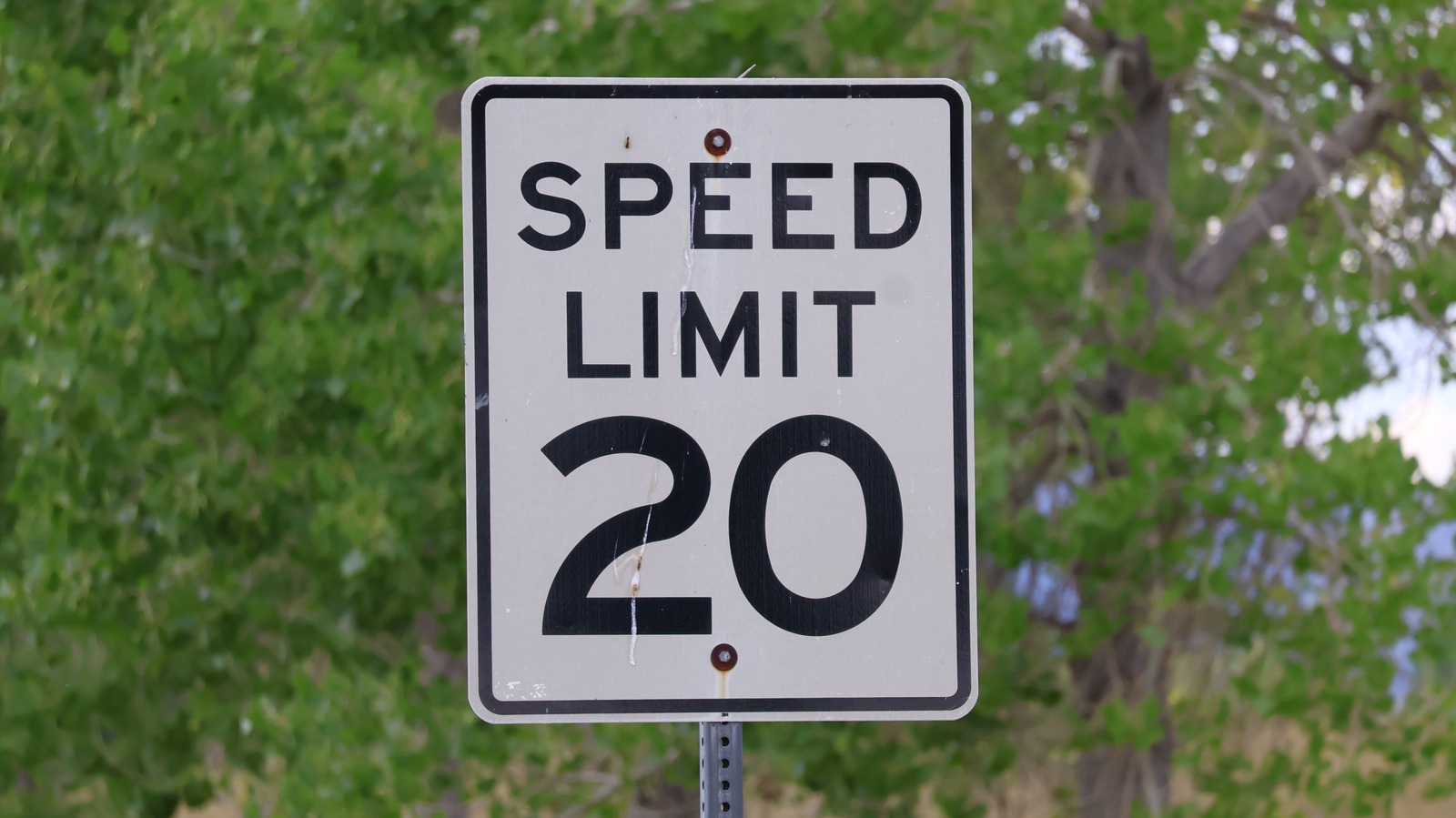
Speed limit signs pop up everywhere, including private driveways and gated communities, and they raise a lot of practical questions about who enforces them and what happens when someone ignores them. This article walks through how speed rules function off the public highway, what property owners can do, how law enforcement fits in, and what drivers should expect if speed becomes an issue. Read on for straightforward, usable facts about speed limits on private roads.
Private roads are not automatically the same as public streets, and that distinction matters. When a road is privately owned, the owner controls access and sets the rules for who can use it and under what conditions, including speed limits. That means traffic statutes written for public highways don’t always apply the same way, although public-safety concerns can change how authorities respond.
Placing speed limit signs on private property gives clear notice to drivers, and notice matters a lot legally. A clearly posted limit establishes the owner’s expectations and can support actions like asking a driver to leave, issuing HOA penalties, or towing habitually reckless vehicles. In disputes over liability after a crash, visible signage and consistent enforcement strengthen the property owner’s position and can influence insurance and legal outcomes.
Local police involvement on private roads varies widely and depends on local ordinances and the way the property is used. Many departments will respond to crashes or hazardous driving on private roads that are open to the public or where a public-safety risk exists, but routine traffic enforcement may be limited. Gated communities or private industrial sites often rely on private security or HOA rules for day-to-day enforcement, calling police only when incidents escalate or criminal activity is suspected.
The consequences for speeding on private property are typically different from a public-road speeding ticket. Owners can impose civil remedies like fines under HOA covenants, suspension of access privileges, or demands to remove a vehicle, and they can pursue damages in civil court if negligence caused harm. Criminal penalties tied to statutory traffic violations are less common unless the state specifically extends those laws or the conduct rises to a criminal level, such as reckless driving that causes injury.
Insurance and liability still matter when a crash happens off the public highway, and insurers treat these incidents like any other claim based on negligence and coverage terms. Drivers and owners alike should document conditions, signage, and any actions taken after an incident because those records guide claim adjustments and legal arguments. Owners who ignore hazards, fail to maintain safe surfaces, or deliberately mislead drivers with poor signage may find themselves sharing responsibility after a collision.
Practical steps cut confusion for everyone involved: drivers should respect posted limits anywhere they drive and treat private property as if the rules matter, and property owners should adopt clear, enforceable regulations in leases or association documents. Installing well-designed signs, training security personnel, logging enforcement actions, and coordinating with local police create a defensible framework. Those measures make it easier to handle repeated violations and to resolve disputes when accidents or claims occur.
Laws and enforcement practices change by state and municipality, so specific outcomes can vary depending on location and the precise mix of private control and public access. If a disagreement over a speed limit escalates, the sensible move is to check local ordinances and, if needed, consult an attorney experienced with property and traffic issues. Doing that keeps you out of avoidable legal fights and helps everyone move safely through spaces that aren’t quite public but aren’t private in the old, closed-off sense either.
