
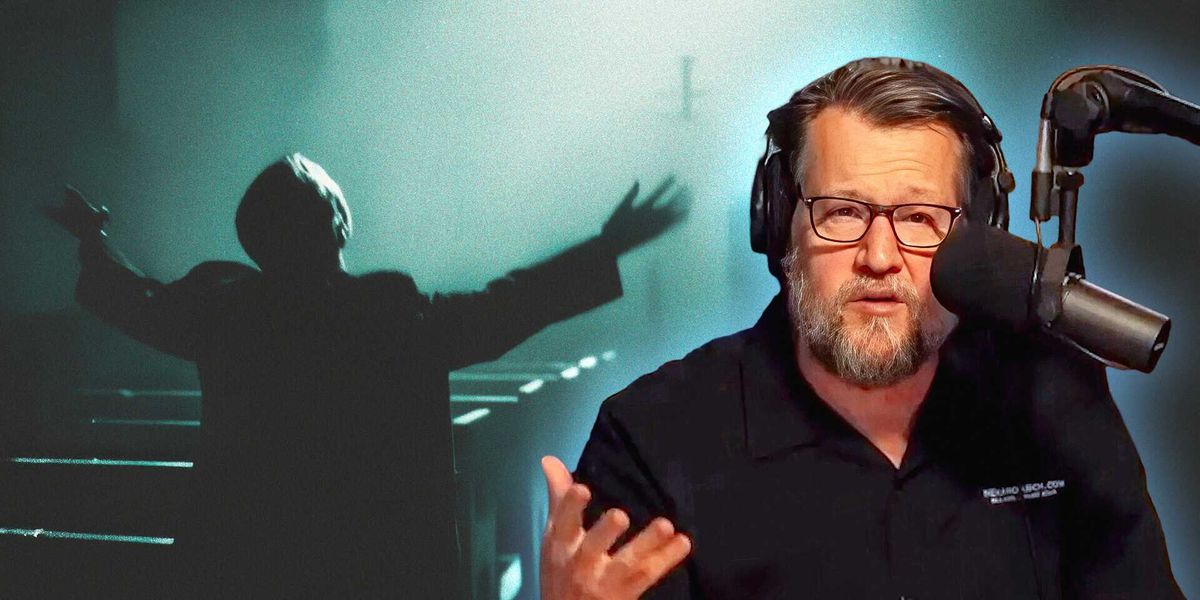
On a recent episode of the podcast “Strange Encounters,” BlazeTV host Rick Burgess tackles a listener’s tough question about Pentecostal worship practices, weighing scripture, church culture, and the possibility of deception in charismatic services. The discussion moves from denominational habits to Paul’s clear instructions in 1 Corinthians 14 and lands on practical concerns about order, interpretation, and spiritual influence. Burgess tries to separate sincere spiritual experience from showmanship while admitting some gray areas when it comes to unexplained phenomena. This piece rewrites that conversation into a straightforward look at what tongues mean in practice and in Scripture.
A caller had written, “The Pentecostals seem to me to be mocking the Holy Spirit by running around the church speaking in gibberish, knocking people down, etc. Is this some sort of demonic type of behavior that is not honoring the Spirit of the Lord or just confused people who have twisted Scripture and clearly don’t seem to follow it?” That blunt question sets the tone for a conversation that’s equal parts theological and pastoral. The worry is not just about doctrine, it’s about the health of worship spaces and whether certain behaviors help or harm the gathered church.
Rick frames the issue by pointing out how different traditions emphasize different persons of the Trinity. “Conservative Presbyterians, you see a more stoic, reverent representation and a lot — a lot — a lot of talk about the Father. … If you were to go to a traditional, say, Baptist church, you’re going to hear a lot about the Son,” he explains, highlighting how worship style often mirrors theological focus. “And then you get into the charismatics … your Pentecostals, your Church of God, and it’s almost like the Holy Spirit is their favorite.” That observation helps explain why some churches give prominence to spiritual gifts that others barely mention.
Rick insists that the starting point for the debate should be “taking God as he is.” He says plainly, “We should be worshipping God the Father, God the Son, God the Holy Spirit,” and uses that as a yardstick for evaluating practices. When a church elevates a particular gift or experience above sound teaching and communal benefit, it risks slipping into imbalance no matter how fervent the worshippers may be.
Part of the controversy, he argues, is the way tongues are sometimes used as a badge of spiritual superiority. “Some go even further to say that to speak in tongues is to prove that you are truly redeemed. Scripture would not agree with that,” he notes, pushing back on any theology that makes a single experience the measure of salvation. That point reframes the debate from who has spiritual experiences to what Scripture actually values in public worship.
Follow the way of love and eagerly desire gifts of the Spirit, especially prophecy. For anyone who speaks in a tongue does not speak to people but to God. Indeed, no one understands them; they utter mysteries by the Spirit. But the one who prophesies speaks to people for their strengthening, encouraging and comfort. Anyone who speaks in a tongue edifies themselves, but the one who prophesies edifies the church. I would like every one of you to speak in tongues, but I would rather have you prophesy. The one who prophesies is greater than the one who speaks in tongues, unless someone interprets, so that the church may be edified.
Rick leans on that passage from Paul to pull apart private devotion from public edification. He says, “Is speaking in tongues real? Yeah, it is. Is it some gift that … is beneficial to the church? Not really.” That is a careful distinction: tongues can be genuine, but their value depends on how they function in a congregation. Paul’s priority, as interpreted here, is clear—gifts that build up the body of believers come first in public settings.
When tongues are practiced in a way that brings no interpretation and turns worship into spectacle, Rick is critical. “If it’s just a bunch of gibberish with no one to interpret and you’re making a scene in the church and drawing attention to yourself and it has no benefit to the rest of the church, then Paul doesn’t seem to think much of it at all,” he warns. That critique targets behavior, not people, and asks whether the effect on others honors the purpose of corporate worship.
At the same time, Rick stops short of declaring every unexplained manifestation demonic. “I don’t really know the answer to that. It feels to me that any time that we are singing praise songs that have bad theology, preaching messages that are not biblically sound, and, I guess I would say, and speaking in tongues in a way that is in conflict with Scripture, I think at the heart of all that is demonic activity,” he says, admitting uncertainty while warning against patterns that invite deception. He adds a blunt reminder: “Because let me tell you, [demons] would love to come inside the church if they have been invited.”
The practical takeaway is straightforward: examine practice by Scripture and prioritize the strengthening of the congregation. That means encouraging gifts that communicate and comfort the whole church, insisting on order and interpretation when spiritual gifts are exercised publicly, and guarding against any teaching that elevates experience over clear biblical truth. Churches that keep Scripture central and the welfare of the body in view will have a better chance of discerning genuine movement of the Spirit from confusion or harm.
Listeners who want to hear the full exchange can watch the episode that contains the full back-and-forth and contextual examples of Burgess’s points. The conversation is less about condemning people and more about pressing churches to be both spiritually alive and scripturally accountable.
