
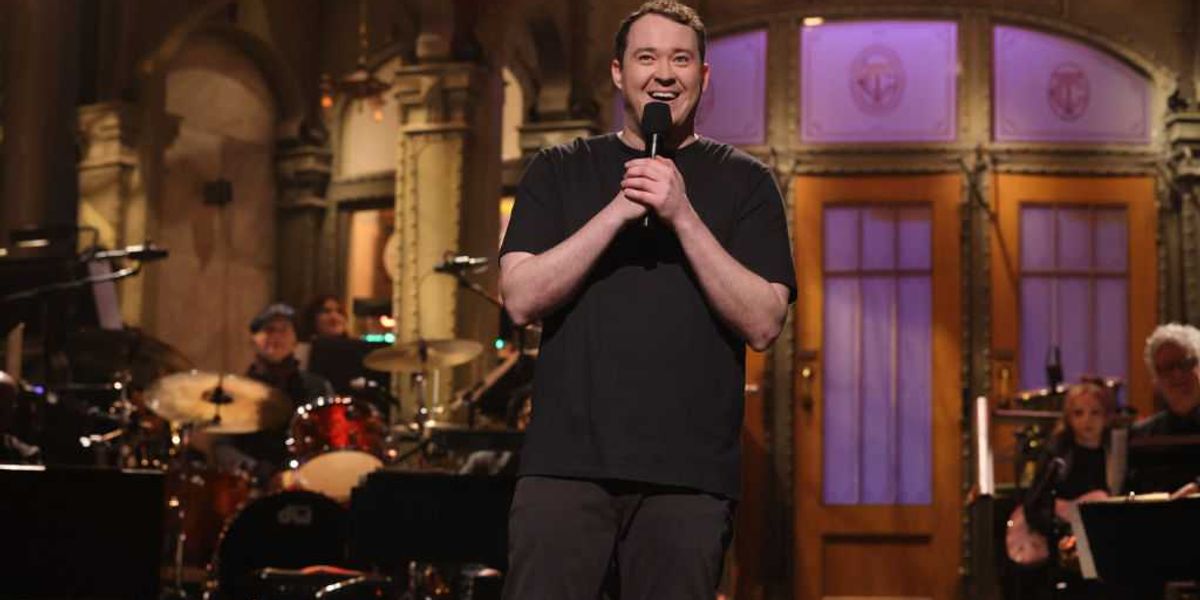
Shane Gillis keeps turning a rough Hollywood story into a much bigger one. After getting pushed out, mocked, and treated like a cautionary tale, he didn’t fade away, and that matters because his comeback says a lot about where entertainment culture is heading.
What makes his rise so sharp is the contrast. The same industry that slammed the door on him later had to deal with the fact that audiences never really left, and that gap between elite judgment and real-world taste is where the story gets interesting.
Gillis was once bounced before he even got a real shot, and that kind of public rejection usually ends a career before it starts. Instead, he kept building an audience on his own terms, with the kind of blunt, unfussy style that connects fast when people are tired of being lectured.
The whole episode says something about cancel culture at its most revealing. It can create a storm, dominate headlines, and make a company or network feel powerful for a minute, but it cannot always erase talent, timing, or the appetite people have for somebody who sounds like a normal human being instead of a brand-safe slogan machine.
That is why Gillis landed back in the spotlight. His return wasn’t a polished apology tour or a carefully managed redemption arc, but a simple reminder that audiences often reward authenticity more than the gatekeepers do.
There’s also a bigger entertainment pattern here that is hard to ignore. Comedy especially has become one of the clearest battlegrounds in the fight over woke ideology, because comedy dies when every joke has to pass through a committee of nervous scolds.
Gillis fits that friction perfectly. He is not built for the sanitized, carefully curated version of culture that big institutions keep trying to sell, and that refusal to flatten his voice is exactly why so many people keep paying attention.
That same tension shows up in a lot of other places, too. Fans have gotten used to seeing institutions try to force a message, whether it’s in entertainment, sports, or any other corner of public life where common sense used to matter more than language policing.
When people see one performer get punished for being the wrong kind of funny, they usually understand the larger game being played. It is never just about one joke or one moment, because the real target is often anyone who refuses to sound obedient.
Shane Gillis also benefits from another thing culture elites keep underestimating: staying power. Plenty of people get attacked online, but very few can withstand the pressure, keep their edge, and come back with more momentum than they had before.
The comparison to other comics is easy, but the point goes deeper than familiar names or old-school references. In an era where audiences are constantly told what to laugh at, a comedian who survives the backlash and still fills rooms becomes a kind of quiet protest against the whole system.
That’s why this story keeps resonating. It isn’t just about one man getting another chance, because it’s about the public pushing back on a culture that loves punishment, loves labels, and too often confuses approval from institutions with actual success.
And in the end, that is what makes the comeback so satisfying. The industry tried to write the ending, but the audience had other plans, and now the people who once acted like they had all the power are the ones watching him win on his own turf.
