
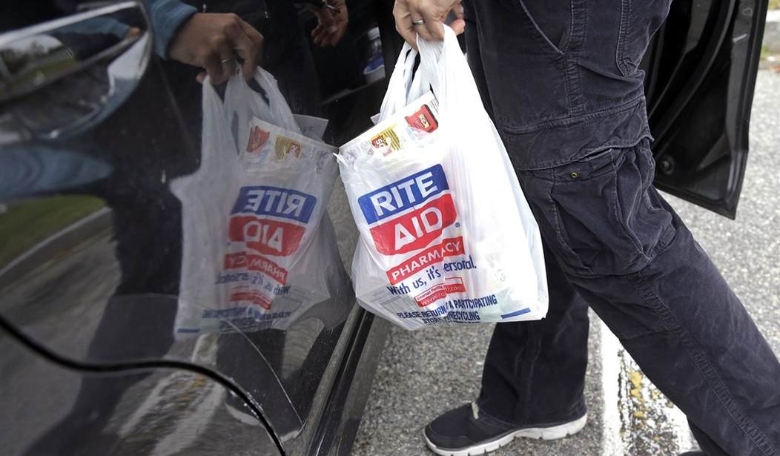
On November 5, California residents delivered a strong message by passing Proposition 36, a ballot measure that elevates certain misdemeanors, like shoplifting, to felonies and mandates treatment programs for drug addicts. Despite widespread opposition from the state’s Democratic legislative majority, the measure passed with an overwhelming 70% majority. For many Californians, the decision reflected a tipping point, as escalating retail theft, homelessness, drug-related deaths, and a perceived breakdown in social order demanded immediate action.
San Jose Mayor Matt Mahan hailed the result as a decisive step forward. “California voters have spoken with a clear voice on the triple epidemics of retail theft, homelessness, and fatal drug overdoses plaguing our state,” Mahan said. “In supporting Proposition 36, they said yes to treatment. They said yes to accountability. And they said yes to putting common sense before partisanship, so we can stop the suffering in our communities.”
The proposition’s passage marked a potential turning point in California’s approach to criminal justice reform, which has long leaned toward reducing penalties for nonviolent crimes. Magnus Lofstrom, criminal justice policy director at the Public Policy Institute of California, noted that the measure addresses issues visible to the public. “What we might be seeing is evidence of a course correction after a long path of criminal justice reform efforts,” Lofstrom said. “Prop 36 targets crime and social problems that people can see: retail theft, more merchandise locked up, more viral videos [of thefts], and then the media talking about all of it.”
Indeed, viral videos of brazen smash-and-grab robberies have dominated headlines, fueling public outrage and calls for tougher penalties. Locked cabinets in retail stores, now common even for basic goods like razor blades, symbolize a broader breakdown in trust and security. For many voters, Proposition 36 became a stand against this erosion of everyday life. However, critics argue that the measure’s focus on public relations and visible crime might overshadow deeper systemic issues.
This is the best video you’ll see today:
Repeat shoplifters in California learn the hard way that Prop. 36 is now in effect.
Watch until the end. pic.twitter.com/T0JePmhLVB
— End Wokeness (@EndWokeness) December 23, 2024
| LATEST NEWS: TRUMP’S IMPACT IN CALIFORNIA. Cops are now nabbing and locking up every store thief, no matter the haul, after the passage of Proposition 36. Justice is back on the streets.
Are you in favor of this shift? pic.twitter.com/fsWHMDyDdt— Juancho (@x_xJuanchox_xx) December 21, 2024

Governor Gavin Newsom emerged as a vocal opponent during the campaign, expressing concern that Proposition 36 could signal a return to policies of mass incarceration. “Prop 36 takes us back to the 1980s mass incarceration,” Newsom said. “It promotes a promise that can’t be delivered. I would ask those who support it, particularly mayors: Where are the treatment slots, where are the beds?”
Newsom’s critique highlights a significant challenge in implementing the measure: the availability and effectiveness of drug treatment programs. Addiction experts have long emphasized that short-term treatment alone cannot address the complex needs of long-term users. Studies reveal that court-mandated drug treatment for chronic street users often yields recidivism rates nearing 90%. Nonetheless, the measure’s backers included the treatment provision to secure broader support, even if its practical impact remains uncertain.
The backlash against Proposition 36 stems not only from concerns about incarceration rates but also from skepticism about its ability to deliver on promises of rehabilitation. Critics argue that while the measure aims to reduce visible crime, it risks neglecting the root causes of homelessness and addiction. Without substantial investment in mental health services, affordable housing, and community support programs, they warn that the cycle of crime and recidivism may persist.
Despite these concerns, proponents maintain that Proposition 36 represents a necessary recalibration of the state’s priorities. As retail theft and homelessness become increasingly visible, public demand for accountability has grown louder. The measure’s passage reflects a shift in the political landscape, where bipartisan frustration over unchecked crime has outweighed traditional party lines.
The immediate impact of Proposition 36 remains to be seen, but its implications for California’s criminal justice system are significant. For one, the reclassification of shoplifting and other crimes signals a departure from recent trends favoring decriminalization. It also places pressure on local governments to expand treatment infrastructure and ensure the measure’s success.
“This is a wake-up call for everyone involved in policymaking,” Lofstrom said. “The public’s tolerance for visible disorder has reached its limit, and they want solutions that prioritize safety and accountability. Whether Proposition 36 can deliver on those expectations depends on how it’s implemented.”
In the meantime, Californians are left grappling with the reality of their decision. For some, the measure’s passage brings hope for safer streets and more robust interventions for addiction. For others, it raises questions about the long-term consequences of returning to harsher penalties.
As the state moves forward, the debate over Proposition 36 underscores a broader tension in American politics: the balance between public safety and social justice. Whether the measure marks the beginning of a lasting solution or a temporary response to public pressure will depend on the actions of policymakers, law enforcement, and community leaders in the coming months.
For now, shoplifters and drug offenders in California are discovering that the landscape has shifted—and that accountability is back on the agenda.
The post Shoplifters in California Are Shocked to Find That Stealing Is a Crime appeared first on Daily News Cycle.
