
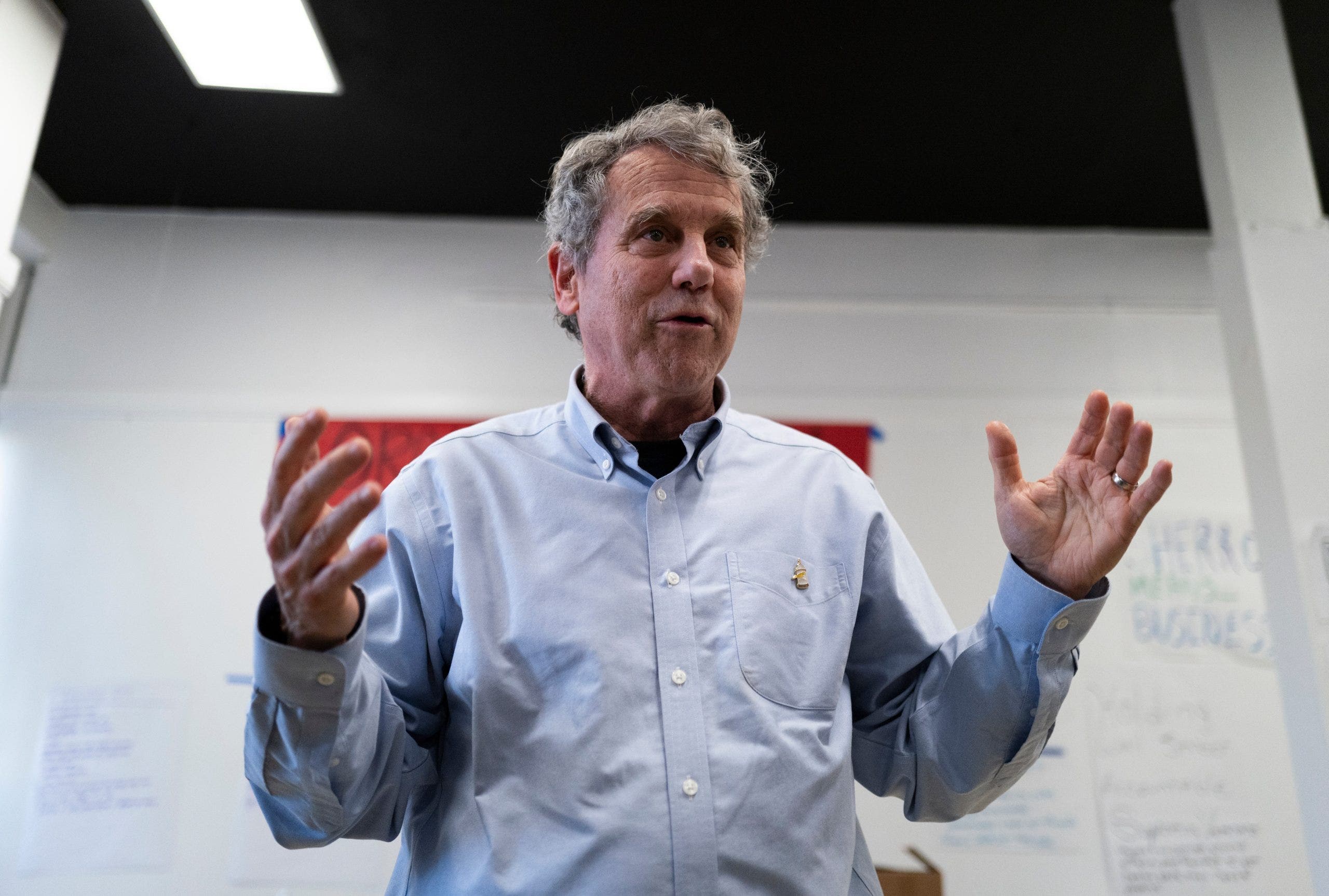
Here’s a clean look at a fast-moving political reversal built around data centers, electricity costs, Ohio jobs, and a senator trying to sell a new message without escaping an old paper trail. The core tension is simple: what once looked like economic growth now gets framed as a burden, and that shift is doing plenty of damage in a Senate race that is already heating up.
Former Democratic Sen. Sherrod Brown once sounded like a cheerleader for data center expansion in central Ohio. Back in 2015, he praised a new Amazon facility in the state, calling the growth good news for New Albany and the surrounding region. At the time, he cast the project as proof that central Ohio was a strong place to do business and raise a family.
That earlier tone looks a lot different from the one Brown is using now. In his current comeback bid, he is attacking Ohio’s growing number of data centers as part of what he calls a rigged system, arguing that big companies are gobbling up power and pushing costs onto ordinary families. The change is getting noticed because it cuts right to the heart of how Democrats are talking about affordability across the country.
The issue has become more than just a local zoning fight. Data centers are popping up as a major political target because critics say they use huge amounts of electricity and water while giving communities mixed returns. Supporters, on the other hand, say they bring investment, construction work, and long-term economic activity that can help a region grow.
Brown is now tying his message to electricity bills, saying the companies should cover the full cost of their own power use. In a campaign video, he said Ohio’s electric grid is being treated like a game by big corporations, and he argued that the burden should not land on regular ratepayers. That line is meant to sound populist, but it also raises the obvious question of why he once celebrated the same kind of development he now condemns.
His new stance fits a broader Democratic pitch that blames corporate scale for higher costs. In this version of the argument, data centers are not just giant buildings full of servers, they are symbols of an economy that supposedly shifts expenses onto the public. Brown and other Democrats are betting that message will land with voters who are already frustrated about utility bills, grocery prices, fuel, and housing.
Ohio sits at the center of that debate because the state has become a magnet for data center investment. Companies like Amazon and Google have pushed hard to expand there, helped in part by state incentives that make the projects more attractive. The promise is easy to see: jobs, tax base growth, and new business activity. The worry is just as easy to see: higher demand on the grid and more pressure on local infrastructure.
The policy backdrop matters too. Ohio law offers tax exemptions for certain data center equipment and allows state officials to approve benefits for companies making major investments. That setup has helped draw projects to the state, but it has also created a backlash over how much revenue Ohio gives up in the process. According to a state tax expenditure report, the forgone revenue hit $1.6 billion in 2025.
Brown has not spelled out a full plan for how far he would go beyond making the companies pay for their own electricity. That leaves his position somewhere between targeted criticism and a broader push to slow the industry’s spread. Even so, his 2015 comments make clear that he once saw these projects as a sign of momentum, not a threat to working families.
Now the political stakes are much sharper. Brown lost his last Senate race in 2024 and is trying to claw back into office against Republican Sen. Jon Husted, who stepped into the seat after J.D. Vance left for the vice presidency. The matchup gives Brown another chance, but it also puts his record under a bright light, especially when his own words from a decade ago tell a very different story.
The contradiction gives opponents an opening, and they are not likely to miss it. Voters who care about jobs, taxes, and keeping the lights on are watching a familiar Washington pattern play out again: praise the growth when it is creating headlines, then attack it when the politics change. Brown’s bet is that the newer message will stick longer than the older one.
