
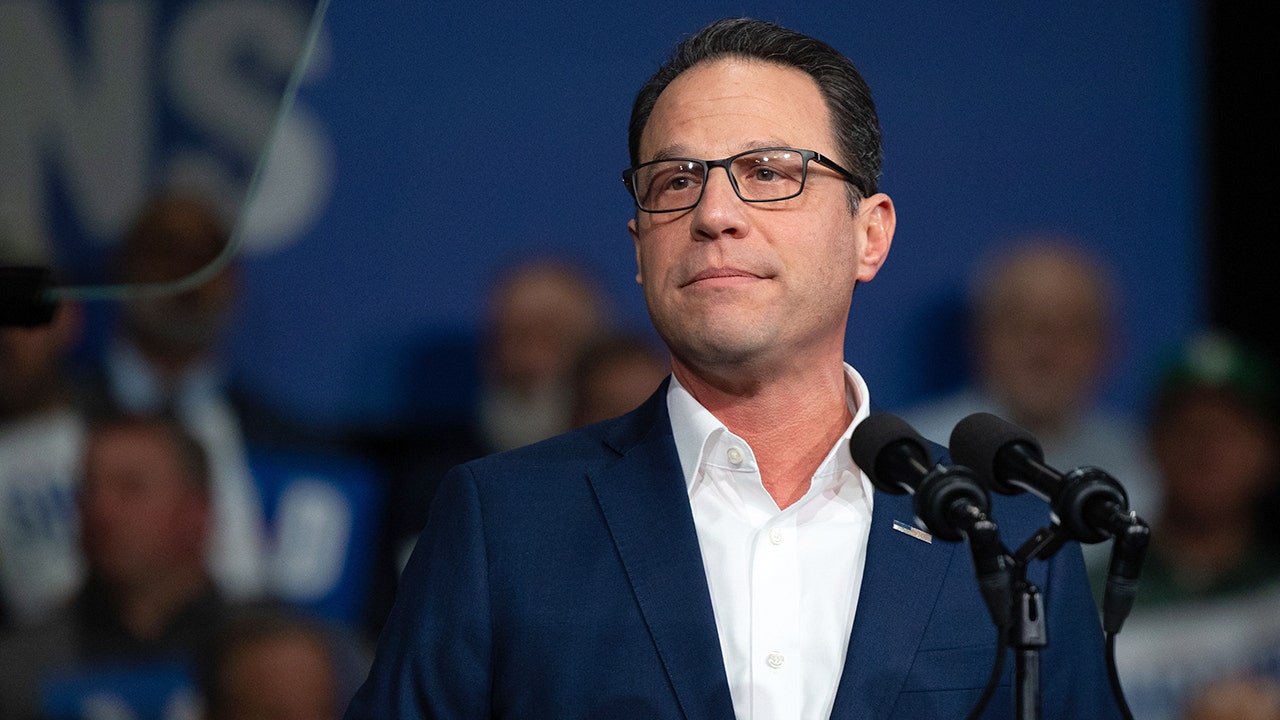
Pennsylvania Gov. Josh Shapiro has publicly embraced court reform proposals that many see as court packing, and that shift matters because it signals a growing willingness among establishment Democrats to reshape the Supreme Court to fit a partisan agenda rather than defend a constitutional check on majoritarian impulses.
Watching Shapiro choose a platform that endorses the most radical option feels like a public unraveling. He once could have stood for steady, institutional respect, but instead he echoed calls that would remake the judiciary to favor current political demands. That decision is a loud signal to conservatives and independents who worry about the balance of our system.
The scene calls to mind a classic line from film: “You don’t understand! I coulda had class. I coulda been a contender. I could’ve been somebody, instead of a bum, which is what I am, let’s face it.” It captures the sense of a missed chance to be principled instead of convenient. For voters who prize consistency, abandoning restraint for short-term political gain looks like betrayal.
Shapiro’s public comments about “radical reform of the Court” match talking points we’ve heard from several Democratic figures eager to neutralize judicial checks. Those pushing the agenda are not shy about wanting to install a comfortable majority to overturn recent rulings and greenlight sweeping changes. That approach treats the Supreme Court as a political instrument rather than a neutral arbiter of constitutional limits.
There’s a pattern here: officials from higher-profile Democrats to lesser-known operatives have warmed to the idea as proof of their loyalty to a shifting party base. Instead of standing up for the enduring role of checks and balances, they compete to show which of them will deliver the most sweeping institutional changes. It’s a dangerous contest that risks sacrificing institutional trust for short-term applause.
Shapiro could have used his platform to argue for moderation and caution, to acknowledge the Court’s role as a counter-majoritarian check that protects minority rights and guards against impulsive waves of popular pressure. The Framers intentionally built institutions that would slow down, examine, and constrain the passions of the moment. Rewriting that architecture to make courts answerable to the moment is a radical departure from the republican design.
Some advocates argue the Court should mirror public opinion and be a direct reflection of popular will. That ignores the Founders’ intent and the hard-won lesson of history that majorities, left unchecked, can trample minority rights and fundamental principles. The Supreme Court was meant to push back on the majority when necessary, to prevent what the Framers worried would become unchecked rule by simple majorities.
There are real consequences to normalizing court expansion as a partisan tool. Once the precedent is set, the next majority will follow suit, eroding judicial independence and fueling endless retaliation. The result would be a weaker judiciary and a more unstable constitutional order, where each change in political control triggers institutional surgery instead of sober governance.
Shapiro’s choice signals something larger: a readiness among some leaders to prioritize political alignment over preserving durable institutions. That calculus will shape public trust and the incentives for future officeholders. If political gain becomes the yardstick, the norms that held our system together will fray quicker than most people expect.
