
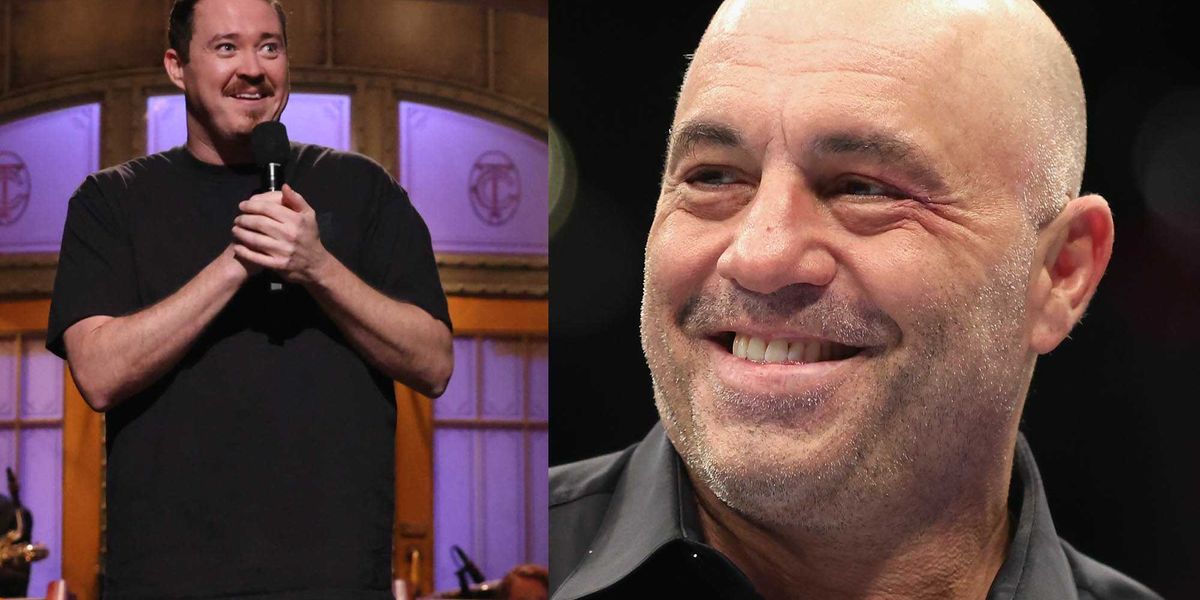
Joe Rogan jumped into the latest comedy dust-up with a blunt defense of Shane Gillis, after a joke about women dressing like “whores” at gyms sparked a fresh round of outrage online. The reaction has once again put the clash between comedy, offense, and public scolding on full display, with Rogan arguing that the whole blowup misses how stand-up actually works.
Rogan’s comments land in familiar territory for him. He has long defended comedians who push into ugly, awkward, or taboo material, and he tends to treat outrage cycles as proof that people are more eager to police jokes than understand them.
Gillis, meanwhile, has built a career on saying the kind of things plenty of people would never dare to say out loud. That style earns him a loyal audience, but it also guarantees that nearly every hot mic, podcast clip, or stage riff can turn into a social media firestorm within hours.
The gym joke touched a nerve because it mixed appearance, sex, and public behavior in a way that is guaranteed to split people fast. Some listeners saw it as standard crude comedy, while others saw it as cheap and disrespectful, especially when directed at women in a setting where people are already self-conscious.
That split is what keeps these stories coming back. Comedy in the podcast era no longer stays inside a club, where the room, the timing, and the crowd all matter; it gets clipped, reposted, stripped of context, and judged like a political statement.
Rogan’s defense of Gillis fits a pattern that has made him one of the loudest voices in the culture fight over speech. He routinely pushes back against the idea that a joke should be treated like a manifesto, and he argues that people are often pretending to be shocked because outrage now pays attention better than nuance.
For critics, that defense can sound like an excuse. If a joke lands as mean or lazy, they say, it should be fair game for criticism, and comedians do not get a pass just because they call it a bit.
Supporters see the issue differently. They argue that the whole point of stand-up is risk, and if every line has to be scrubbed for maximum safety, the result is bland, dead comedy that nobody remembers an hour later.
The larger fight is not really about one punch line. It is about whether modern audiences still have room for blunt, abrasive humor or whether every comic is expected to stay inside a constantly shrinking zone of approved material.
That pressure has only grown as every joke becomes permanent digital evidence. A joke that would have disappeared after one night on stage can now be replayed endlessly, detached from tone, timing, and the reaction in the room, which makes the backlash sharper and the defenses louder.
Rogan understands that machine better than most. His entire media world has been built around long-form conversation, where people can be messy, contradictory, and unpolished without getting instantly flattened by a headline-sized clip.
Gillis has benefited from that same environment, even as it has also made him a target. The same internet that rewards raw, uncensored comedy can turn overnight and demand punishment when the rawness gets uncomfortable in the wrong direction.
What keeps this feud cycle alive is that nobody involved is pretending the tension is going away. Rogan keeps defending the right to joke, Gillis keeps pushing the line, and the audience keeps deciding whether the laugh matters more than the offense that comes with it.
