
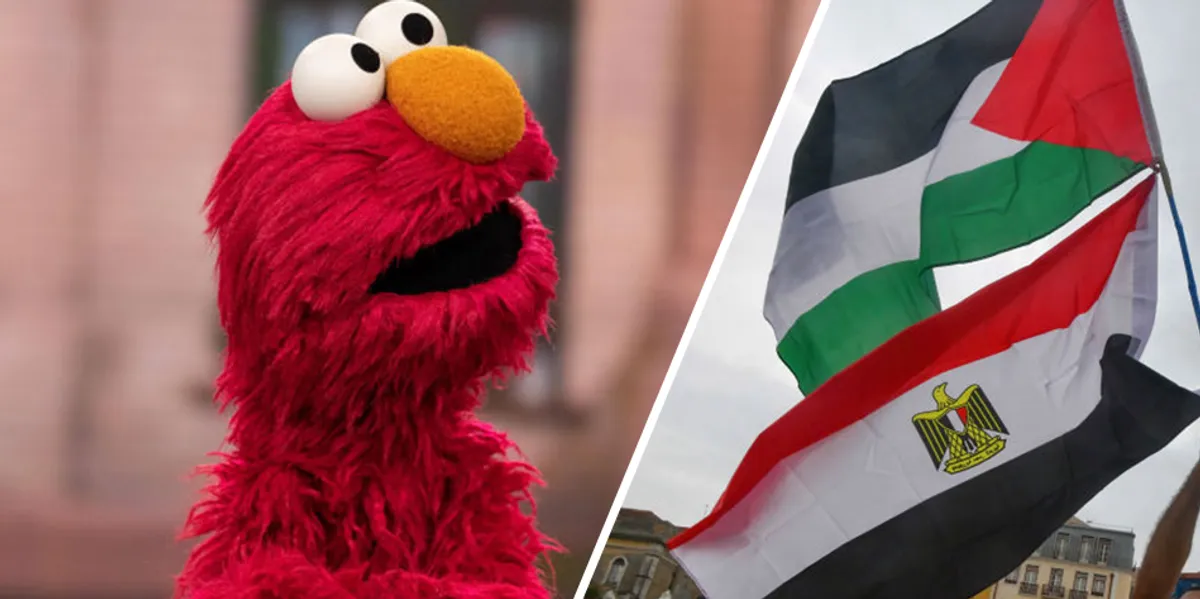
Sesame Street released a short sketch for Arab-American Heritage Month where Elmo learns the greeting “salam alaykum” and the affectionate word “habibi” with comedian Ramy Youssef, and the moment adds to a recent string of cultural and identity-focused segments from the long-running children’s show.
The segment opens with a playful tone, as Elmo spins into a lesson rather than a full story. Ramy Youssef greets the room with “Salam alaykum, everyone,” which prompts Elmo to ask, “Mr. Ramy, what does salam alaykum mean?” The exchange is simple and educational: Youssef explains that “salam means peace” and frames the greeting as a friendly way to say hello.
Elmo repeats the phrase back to the children, saying, “Oh, salam alaykum everybody. … Happy Arab-American Heritage Month.” That line is followed by a short word-of-the-day moment where Elmo and Youssef focus on “habibi,” introduced as a term of affection often translated as “my dear.” The segment keeps things light and direct, aimed at teaching a bit of language and cultural goodwill to preschool viewers.
The show punctuates this lesson with a social media push that included the same vocabulary for viewers to practice, and the piece places the words front and center. The presentation is brief and anchored by friendly repetition, designed so kids can join in and echo the phrases. It’s the kind of micro-lesson that fits into the program’s fast-moving format.
Ramy Youssef appears on screen as a conversational partner for Elmo and brings his own background into the moment. He answers questions patiently and frames the greeting in accessible terms, describing “salam” as peace and “habibi” as a word for a special friend. Youssef’s tone is warm, and Elmo’s curiosity drives the exchange in a way that keeps it squarely in the realm of early childhood learning.
https://x.com/sesamestreet/status/2044780352586055994?s=20
The sketch joins a pattern of recent segments where Sesame Street has introduced children to diverse families, languages, and identities. Viewers have seen the show incorporate subjects like family structures and public health topics in past years, and this Arabic-language clip follows that trajectory. The program positions these moments as part of its mission to reflect varied communities and to normalize simple, respectful learning about different cultures.
On social platforms the clip drew attention and a fair number of views, with the comedian describing his pride: “I’m so proud of my Arab heritage, and I’m so happy to share this month with my fellow Arabs and Elmo. So, thanks, habibi.” Elmo then restates the definition and closes the exchange with warmth, saying, “Happy Arab-American Heritage Month, habibi. We love you.” Those lines are delivered plainly and without any complex framing, leaving the focus on kind words and friendly greetings.
Not every viewer will respond the same way to cultural moments in children’s media, and conversations about what belongs in preschool programming keep coming up. Some audiences welcome these brief lessons as a gentle way to broaden young viewers’ awareness, while others question whether certain themes fit the show’s scope. The Sesame Street team appears to be continuing a long-term approach of introducing small, digestible cultural touchpoints through familiar characters.
The Arabic sketch is short, direct, and aimed at imitation and practice rather than deep history or theology. Children hear a greeting, learn a single affectionate term, and are encouraged to say the words aloud, which aligns with early language acquisition techniques. The segment ends on a note of inclusivity that the producers clearly intended, leaning on repetition and character warmth to make the new words stick.
Beyond the classroom-style clip, the program remains a mix of songs, skits, and brief lessons that aim to mirror the diversity of the audience it serves. This particular moment adds an Arabic greeting and an affectionate term to the show’s vocabulary bank, giving young viewers another small tool to connect with people from different backgrounds.
Earlier episodes and guest spots have varied widely in topic and tone, and the show continues to bring in visitors from different cultural and entertainment backgrounds. Those choices keep the format evolving as producers decide which brief lessons and guest interactions will air for preschool audiences.
